
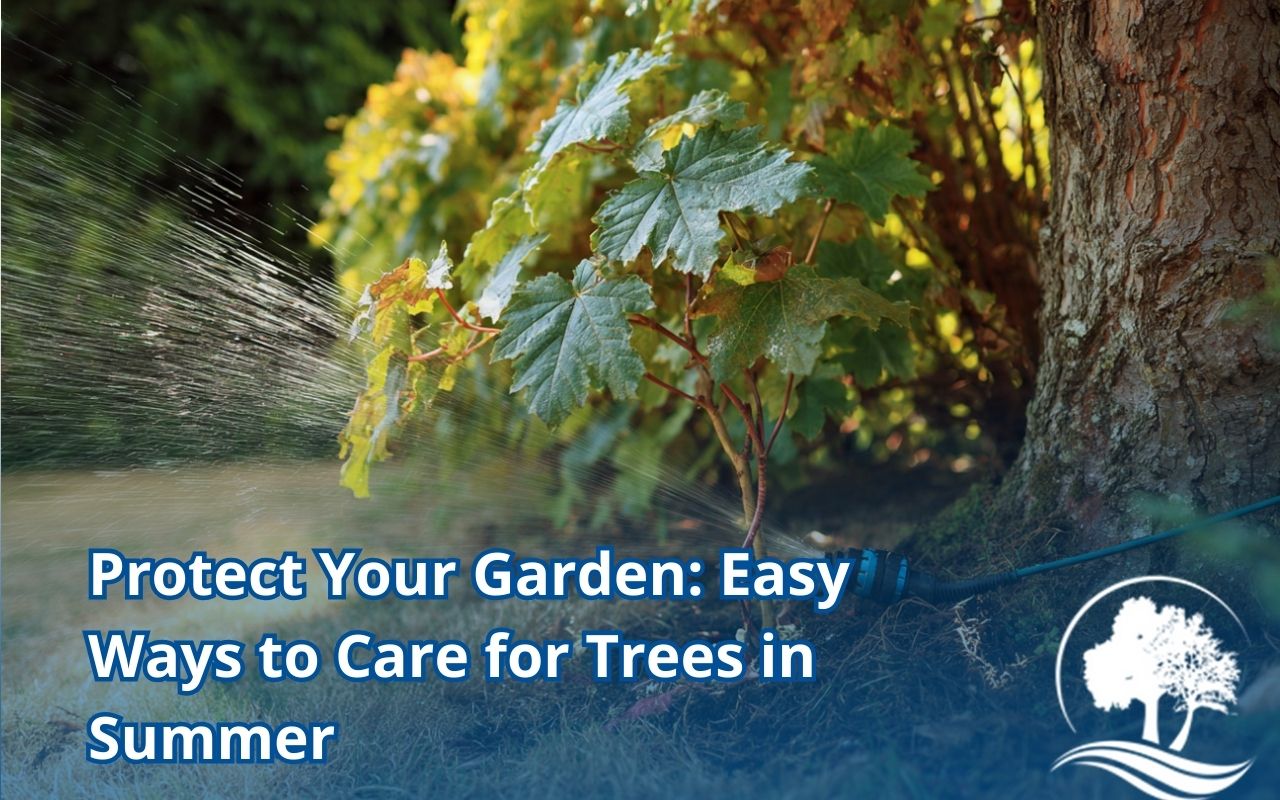
How to Care for Trees During Summer starts with understanding how intense sun and heat affect your garden. As the season changes, trees face drought stress and other challenges that threaten their health and shade. Whether you are new to gardening or very experienced, simple steps can keep your trees and garden green.
Last year, my neighbor’s oak tree struggled in the heat, yet basic watering, mulching, and light pruning saved it. In this guide, you will learn how to spot drought stress, use mulch for summer tree care, and apply summer tree watering tips. These steps help your whole landscape handle long, hot days.
Recognizing Drought Stress Signs in Trees
First, watch leaf color and texture so you can catch early drought stress signs in trees. When water is low, leaves may wilt, curl at the edges, or turn yellow between the veins. You may also see small brown spots, leaf scorch at the tips, and early leaf drop that makes branches look thin.
As stress grows worse, you may notice more serious changes.
- Bark that cracks or peels in several places.
- Buds that dry out and fail to open.
- Older leaves dropping suddenly from inner branches.
Check soil moisture around the root zone by digging a small hole near the drip line. If the soil feels dry below two inches, the tree needs water. Keep a simple log of leaf color and drop patterns. By learning How to Care for Trees During Summer and spotting stress early, you can act before damage grows severe.
Importance of Proper Mulching for Tree Care
Apply mulch for summer tree care to hold moisture in the soil and keep ground temperatures steadier. A three- to four-inch layer of organic mulch, such as shredded bark, wood chips, straw, or compost, forms a soft blanket over the root zone. This cover slows water loss, cools the soil, and cuts down on weed growth.
- Spread mulch in a wide ring that reaches toward the drip line.
- Keep mulch a few inches away from the trunk to prevent rot and pests.
- Refresh compacted or thin mulch each season to maintain depth.
Over time, mulch breaks down and adds nutrients that improve soil structure. This steady support builds a strong root system that handles heat and dry spells more easily. Consistent mulch for summer tree care is an essential part of How to Care for Trees During Summer.
Effective Ways to Water Trees During Summer
Use summer tree watering tips that focus on deep, slow soaking instead of frequent light sprays. Deep watering encourages roots to grow downward, where the soil stays cooler and wetter. Place a soaker hose or drip line around the base and run it slowly so water reaches 12 to 18 inches into the ground.
- Water the root zone, not the trunk or leaves.
- Soak the area, then let the top soil dry slightly before watering again.
- Adjust your schedule based on rainfall, soil type, and tree age.
Avoid overhead sprinklers that waste water through evaporation and wet the foliage, which can invite disease. For new trees, water more often but still aim for deep soaks. In many yards, these simple summer tree watering tips are a core part of How to Care for Trees During Summer.
Choosing the Right Time of Day for Tree Care
Whenever possible, water and inspect trees early in the morning, when temperatures are cooler and winds are calm. Morning watering reduces evaporation, so more water reaches the roots. Cooler air also lets leaves dry faster, which lowers the chance of fungal problems that like long periods of moisture on foliage.
If mornings are busy, late afternoon or early evening is the next best option. However, avoid soaking leaves close to sunset, because wet foliage overnight can support disease. Try not to prune or water in the middle of the day, when hot sun can stress trees and make every task harder for you as well.
Pruning Practices to Promote Tree Health
Remove dead, damaged, or crossing branches to improve air flow and reduce hiding places for pests. Use clean, sharp tools and cut just outside the branch collar without leaving long stubs. In summer, pruning should be light and focused on small fixes, not big shaping cuts that can stress the tree.
Pruning helps trees handle summer by directing energy into healthy branches and leaves. Avoid topping or heavy thinning, because large wounds can lead to sap loss and invite insects or disease. Instead, prune only what is needed. Proper summer pruning supports overall tree health and fits smoothly into your plan for How to Care for Trees During Summer.
Shielding Trees from Extreme Heat and Sunlight
Young or thin-barked trees can suffer sunscald on hot days. Wrap trunks with breathable tree guards or light-colored tree wrap to reflect strong sunlight. During heatwaves, you can also place shade cloth panels around sensitive trees for short periods. These temporary covers lower direct sun and keep the inner canopy cooler.
Light-colored mulch under trees can reflect some sunlight while still saving moisture in the soil. In windy spots, install simple windbreaks using lattice panels or temporary fencing to reduce drying winds. By blocking extreme heat and wind, you ease stress and help your trees keep greener, healthier foliage through summer.
Fertilization Tips for Summer Tree Care
Use a balanced, slow-release fertilizer or well-aged compost to support healthy growth. Apply nutrients early in the growing season so trees can absorb them before the hottest weather arrives. Always follow label directions to avoid burning roots or pushing too much leafy growth at the wrong time.
Avoid heavy fertilizing in midsummer, because forcing new growth during dry spells increases water demand and weakens trees. Instead, feed lightly and only when needed. You can also try a gentle foliar spray of compost tea in late afternoon to boost nutrients without disturbing soil moisture or root systems.
Protecting Young Trees During Summer
Young trees are more sensitive to heat and drought because their roots are still shallow. Water them more often than mature trees, using deep, slow soaks that reach the full root zone. A steady supply of moisture helps young roots grow outward and downward, which prepares the tree for future hot, dry summers.
Use tree guards to protect tender trunks from sunburn and damage from pets, string trimmers, or lawn mowers. Mulch around young trees with a three- to four-inch layer, but keep mulch from touching the trunk. Regularly check for wilted leaves, dry twigs, or color changes so you can respond quickly.
Monitoring Tree Health and Growth Progress
Keep a simple journal of watering dates, mulch refreshes, and fertilizer applications. Note any changes in leaf color, new buds, or pest activity. Every few weeks, measure trunk size or canopy spread and take photos from the same spot. Small changes over time help you spot slow problems before they become serious.
When possible, inspect roots on container trees or new plantings by gently uncovering a small area. Healthy roots are firm and spread outward, not circling or exposed. Record any drought stress signs in trees that you see and write down how you responded. This habit helps you refine your summer care routine.
Implementing Pest and Disease Control Measures
Summer is a busy season for insects and diseases, so regular checks are important. Look closely at new growth and leaf undersides for aphids, caterpillars, scale insects, or sticky residue. Helpful insects, such as ladybugs and lacewings, can keep many pests in balance when you avoid harsh, broad-spray chemicals.
For light infestations, use insecticidal soap or horticultural oil in early morning or evening to avoid leaf burn. If you see fungal problems, such as powdery mildew or leaf spots, prune and discard infected twigs away from the garden and improve air flow by thinning crowded areas. Avoid overhead watering that keeps leaves wet and spreads spores.
When problems persist, consider approved organic fungicides and follow label directions with care. Combine pest and disease control with good watering, mulching, and pruning habits so trees stay strong enough to resist damage. Healthy trees are far less likely to suffer serious pest outbreaks during long, hot summer weather.
When to Seek Professional Assistance
Sometimes, the best way to protect your trees in summer is to call a certified arborist. A professional can assess overall tree health, spot hidden drought stress, and recommend safe treatments. If you notice severe leaf loss, major branch dieback, deep trunk cracks, or pests that will not go away, expert help is wise.
Local professionals such as tree care service teams can provide pruning, treatment, and removal when needed. If you live in the area, explore their tree care in Baltimore options and review their tree health indicator guides to understand when a visit is urgent.
Ensuring Lasting Health and Beauty for Your Garden Trees
By noticing drought stress signs in trees early and using mulch for summer tree care, you build a strong base for healthy growth. Deep watering at cooler times of day, paired with light pruning, gentle fertilizing, and smart pest control, keeps trees steady under the summer sun and protects your landscape’s shade and color.
As seasons change, adjust your routine with help from guides on seasonal tree care tips. When you follow these plans and focus on How to Care for Trees During Summer, your garden trees stay healthier, look better, and provide cooling shade and beauty all summer long.
Frequently Asked Questions
How often should I water my trees during summer?
Most established trees need a deep soak about once a week in hot, dry weather. However, sandy soils may dry faster and need more frequent watering. Clay soils hold moisture longer, so you might water less often. Always check the soil a few inches down and adjust based on actual moisture.
Is morning or evening better for watering trees in hot weather?
Morning is usually best because temperatures are cooler and winds are lighter, so less water is lost to evaporation. Leaves also have time to dry during the day, which helps prevent fungal disease. Evening watering is a second choice, but try not to leave foliage wet through the whole night.
What type of mulch works best for summer tree care?
Organic mulches such as shredded bark, wood chips, straw, or compost work very well. They help lock in soil moisture, keep roots cooler, and slowly add nutrients as they break down. Spread mulch in a wide ring, keep the layer three to four inches deep, and avoid piling it against the trunk.
How can I tell if my tree is overwatered instead of dry?
Overwatered trees may show yellow leaves that drop, soft or mushy roots, and soil that never seems to dry. You might also notice a sour smell near the base. In contrast, dry trees have crisp leaves, dry soil, and often curled or scorched leaf edges. Always test the soil before watering.
When should I call a professional about summer tree stress?
Contact a professional if you see large dead branches, deep trunk cracks, sudden heavy leaf loss, or repeated pest outbreaks. It is also wise to seek help when a tree leans, grows near power lines, or shows decay near the base. An arborist can spot risks that are not obvious from the ground.
Contact Us for Expert Tree Care
Caring for trees during summer can feel challenging, especially when heat and drought arrive together. If you would like tailored advice or need help with a specific tree, reach out to a trusted local arborist. You can also contact the DreamTree MD team directly through their contact page to plan the best care for your landscape.