
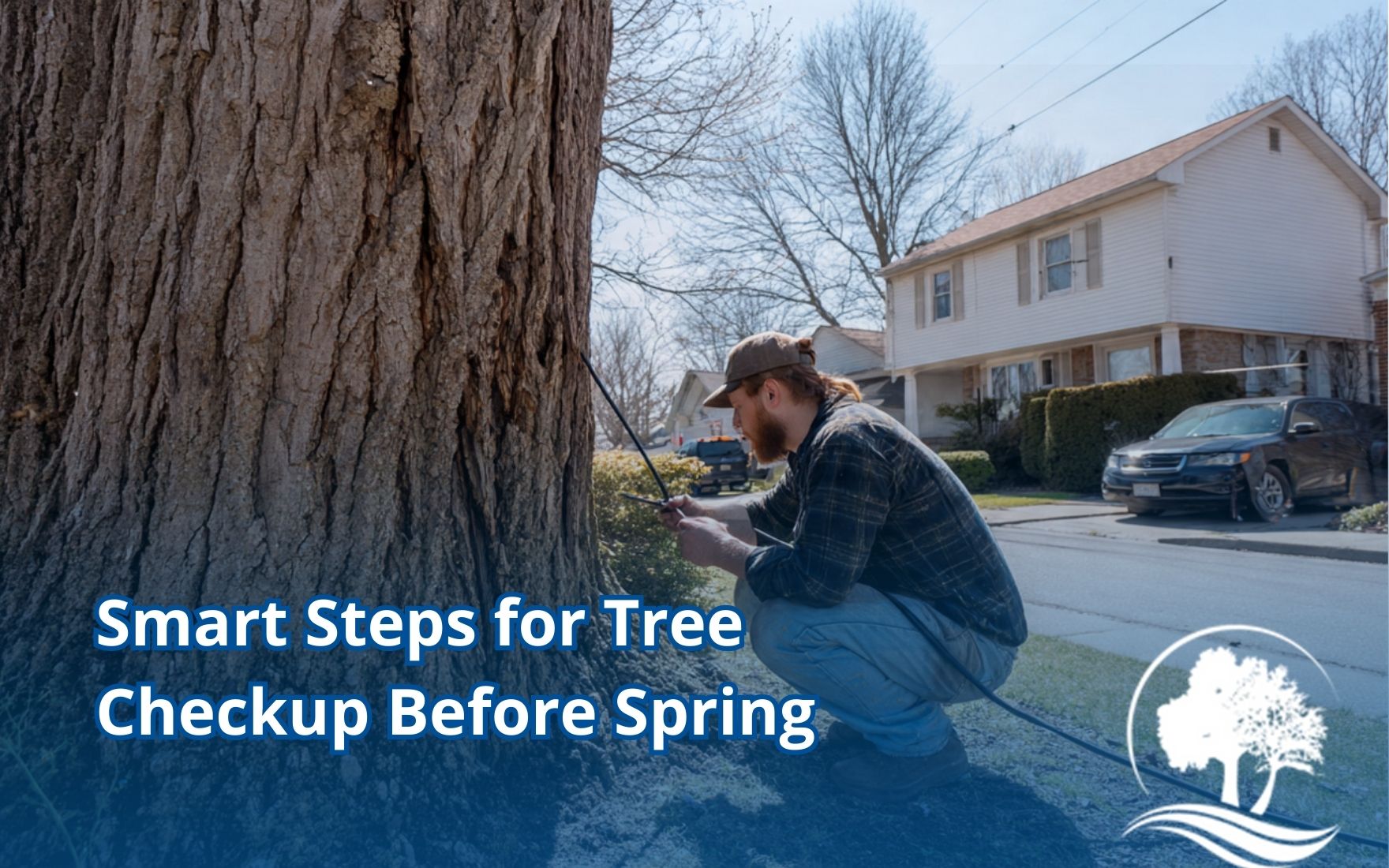
Step into the world of tree care as the warmth of spring approaches, and with it, the perfect opportunity to ensure your garden is thriving.
Tree inspection before spring is not just a task but a crucial step to maintaining a healthy and safe outdoor space.
Why Tree Inspection Before Spring Matters
Regular tree inspection before spring helps spot problems early, saving you time and stress later. Cold weather can cause bark cracks, hidden decay, or loose limbs. These issues may turn risky once leaves appear and winds pick up.
In addition, checking now supports healthier spring growth. When you clear debris and watch soil moisture, trees often bounce back faster. Healthy trees also resist pests and disease better, so you may need fewer treatments over time.
- Improves safety around homes, paths, and play areas
- Supports strong growth, flowering, and full foliage
- Helps you plan pruning and care before storms arrive
Tools to Bring for a Safer Inspection
Before you begin tree inspection before spring, gather a few simple tools. This way, you can check details up high and down low without taking unnecessary risks. Also, good notes help you compare changes from year to year.
- Sturdy ladder and gloves for safer handling
- Binoculars for higher branches you cannot reach
- Moisture meter to spot dry or soggy soil
- Measuring tape to track branch length or trunk width
- Notebook or phone app to record findings
How to Spot Early Tree Damage Signs
Start by walking around each tree slowly. Look at the trunk for cracks, cavities, and fungal growth, since these can point to decay. Then look up for dead limbs or broken branches that may fall once spring winds increase.
Next, check buds and the root flare near the ground. Healthy buds often look plump, while shriveled buds may hint at winter harm. If roots look exposed, add mulch carefully to cover them without piling it against the trunk.
- Cracks, holes, or soft spots on the trunk
- Dead twigs, broken limbs, or heavy dieback
- Fungal growth, oozing sap, or odd swelling
Checking for Pests and Insect Activity
During tree inspection before spring, inspect bark and nearby branches for tiny holes, sawdust-like frass, or sap leaking from wounds. These early tree damage signs can suggest borers or bark beetles are active.
Also look near branch joints, since pests often enter there. If you find affected limbs, remove and dispose of them far from healthy trees. For wider issues, use the guidance in this resource: how to assess tree damage.
Structural Tree Risks to Watch for
Structural tree risks can stay hidden until a storm exposes them. Check major limbs for weak angles and scan for co-dominant stems that form a tight “V” shape. Because they split more easily, they deserve extra attention.
Then check the trunk for a sudden lean and the ground for root heave. If the tree looks unstable, review these tree stability concerns to understand what matters most.
- Co-dominant stems and tight “V” branch unions
- Large limbs growing at weak or extreme angles
- Leaning trunks, root lift, or circling roots
Pruning Basics That Protect Tree Health
Pruning can reduce hazards and improve shape, especially after tree inspection before spring reveals dead or damaged wood. First, remove dead limbs and broken branches. Then trim crossing branches so each limb has room and light.
Use clean, sharp tools and cut just outside the branch collar. For big branches, use the three-cut method to prevent bark tearing. If you want a step-by-step guide, follow this tree inspection checklist.
When a Tree Becomes a Safety Hazard
After you finish tree inspection before spring, mark any limbs that could fail over roofs, driveways, or walkways. Even smaller branches gain weight when leaves appear, so risks can rise quickly as spring progresses.
Keep kids and pets away from unsafe areas until the issue is fixed. If branches are large or hard to reach, avoid risky ladder work. Instead, use experienced help from Dream Tree Service LLC.
Professional Tree Evaluation for Peace of Mind
Sometimes, a DIY check is not enough. A professional tree evaluation can uncover decay inside the trunk and confirm structural tree risks you cannot see from the outside. Also, a pro can review soil stress, water issues, and overall vigor.
If you want expert support, explore practical guidance here: tree inspection tips for a safe and thriving landscape. Then, if you need a hands-on assessment, request help through the Dream Tree Service LLC contact page.
Frequently Asked Questions
How often should I do a tree inspection before spring?
Once each year is a strong start. However, inspect again after major storms, since damage can happen fast.
What are the most common early tree damage signs after winter?
Look for bark cracks, dead twigs, oozing sap, and broken limbs. Also watch for fungal growth on the trunk.
Which structural tree risks should I take most seriously?
Large dead limbs, co-dominant stems, and sudden leaning can be urgent. In addition, root heave may signal instability.
Can I prune right after my inspection?
You can remove dead or broken limbs. Still, avoid heavy pruning of live wood, since it can stress the tree early in spring.
When should I hire a professional tree evaluation?
If you see serious cracks, major leaning, or large limbs over targets, call a pro. It is also smart when pests spread quickly.
Simple Spring Maintenance Plan to Follow
Once you finish tree inspection before spring, set a routine that keeps trees strong. Schedule pruning before leaf-out when possible, then plan follow-up checks for watering and pests. Over time, this habit supports safer trees and steadier growth.
- Early spring: prune dead wood and clear debris
- Mid-summer: check watering needs and soil moisture
- Late summer: watch for pests and repeat visual checks
Local Help If Removal Becomes the Best Option
In some cases, tree inspection before spring shows damage that cannot be fixed safely. If a tree is failing or threatens your home, removal may be the safest path. For service details, see tree removal in Perry Hall, MD.
With the right steps, you can spot early tree damage signs, reduce structural tree risks, and protect your outdoor space all season long.