
Preparing yard for tree removal is more than making a quick call and hoping for the best. Instead, it takes simple steps that protect your home and help the work move faster.
In addition, this guide explains what to do before tree removal so your space is safe and easy to use. You will learn how to clear the area, protect plants, and plan access for the crew.
Check Why the Tree Must Be Removed
First, look at the tree and ask why it needs to go. For example, rot, a strong lean, or dead limbs can raise risk near your home.
When preparing yard for tree removal, also check the trunk and main branches. Look for cracks, soft spots, or pest damage. If the tree leans toward wires or a roof, the risk is higher.
- Look for weak limbs and split wood.
- Notice if the tree leans more each year.
- Check for pests and hollow areas.
- Think about nearby roofs, cars, and lines.
Also, consider timing. Some removals are easier in cooler months, because many trees are less active. As a result, you can better protect soil and nearby plants.
Clear Space Around the Tree
Next, remove items that may block workers. Move chairs, toys, tools, and planters away from the work zone. This step supports yard safety preparation and reduces damage.
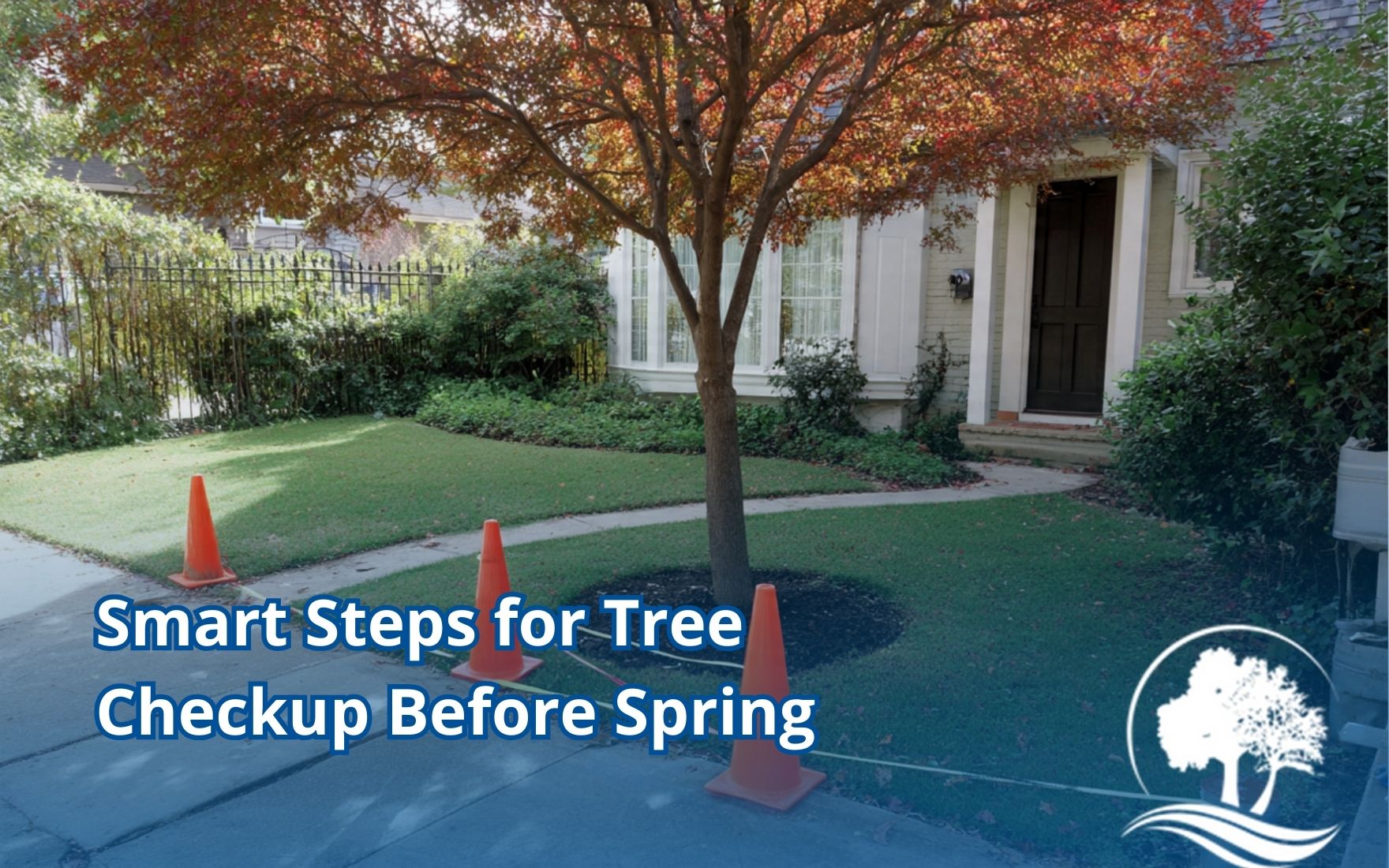
Then, outline a clear drop zone. Use cones or bright tape so everyone can see the boundary. Moreover, keep pets and kids far from the marked space.
- Move outdoor furniture and garden tools.
- Relocate grills, hoses, and décor.
- Protect sheds and play sets if nearby.
- Mark a safe boundary with tape.
Finally, confirm access planning for trucks and gear. For example, keep gates open and clear paths to the work area. To learn more about day-of prep, review tree removal day preparation steps.
Permits, Rules, and Neighbor Approvals
Before scheduling, check local rules. Some towns require permits, especially near sidewalks or protected trees. Therefore, a quick call to your local office can prevent delays.
Also, if you have an HOA, review their rules first. If branches cross a property line, talk with your neighbor early. As a result, you can avoid disputes on removal day.
Choose the Right Team for the Job
Although some tasks seem simple, tree removal is risky work. So, it helps to hire trained pros with insurance and the right gear.
Start by comparing a few quotes. Then, confirm what each quote includes, such as cleanup and stump work. Preparing yard for tree removal also means picking a crew that plans carefully.
- Ask for proof of license and insurance.
- Request a clear scope and timeline.
- Confirm who handles debris and logs.
- Ask how they will protect your lawn.
If you want to understand the value of expert help, see professional tree removal services.
Protect Plants, Lawn, and Nearby Structures
After you clear the area, protect what stays. For instance, place boards over soft ground where equipment may pass. This reduces soil squeeze and lawn ruts.
Also, cover small shrubs with breathable fabric. Meanwhile, move delicate pots to a safe spot. Yard safety preparation like this keeps your landscaping in better shape.
In addition, protect fences, sheds, and windows near the work zone. Many crews can use padding and smart rope work to avoid hits. To understand safe methods, read safe tree removal practices.
Spot Hazards Before the Crew Arrives
First, look for loose limbs, hollow spots, or animal nests. This is a key part of what to do before tree removal, because it prevents surprises.
Next, check for power lines or tight spaces. Then, share these details with the crew so they can plan the safest approach. Access planning matters most when space is limited.
Create a Safer Work Zone
On the day of service, set clear barriers around the site. Use cones, caution tape, or temporary fencing. Moreover, let neighbors know when work will start.
Also, keep the driveway and paths open. As a result, the team can move equipment without delays. If you want to learn how crews handle tight areas, see tree removal techniques.
Cleanup, Wood Handling, and Stump Options
Once the tree is down, decide what happens to the wood. Some crews chip branches into mulch, while others haul debris away. Therefore, discuss your choice ahead of time.
Also, talk about stumps. Grinding is common and leaves chips behind. Full removal takes more digging. Preparing yard for tree removal includes planning where trucks will load debris.
If your project is local and you want area-specific guidance, explore tree removal in Pikesville, MD.
Frequently Asked Questions
What to do before tree removal if I have pets and kids?
First, set a clear boundary with tape or cones. Then, keep pets and kids indoors during the work.
How far should I clear items from the tree?
In general, clear the area beyond the likely drop zone. Also, ask the crew for a simple distance guide.
Why does access planning matter so much?
Because trucks and tools need space to move safely. As a result, good access lowers damage risk and saves time.
What counts as yard safety preparation?
It includes moving items, marking the work zone, and protecting plants. In addition, it means warning neighbors and staying clear.
Should I handle permits, or will the company do it?
It depends on local rules and the provider. Therefore, ask early so your schedule stays on track.
Aftercare Tips for a Cleaner, Healthier Yard
After removal, fill holes and level the soil. Then, add compost to help the ground recover. This step supports long-term yard health.
Finally, plan your next landscape move. Choose the right plants for the space and water them well. If you need help scheduling service, contact Dream Tree Service LLC here: Dream Tree Service LLC contact page.