
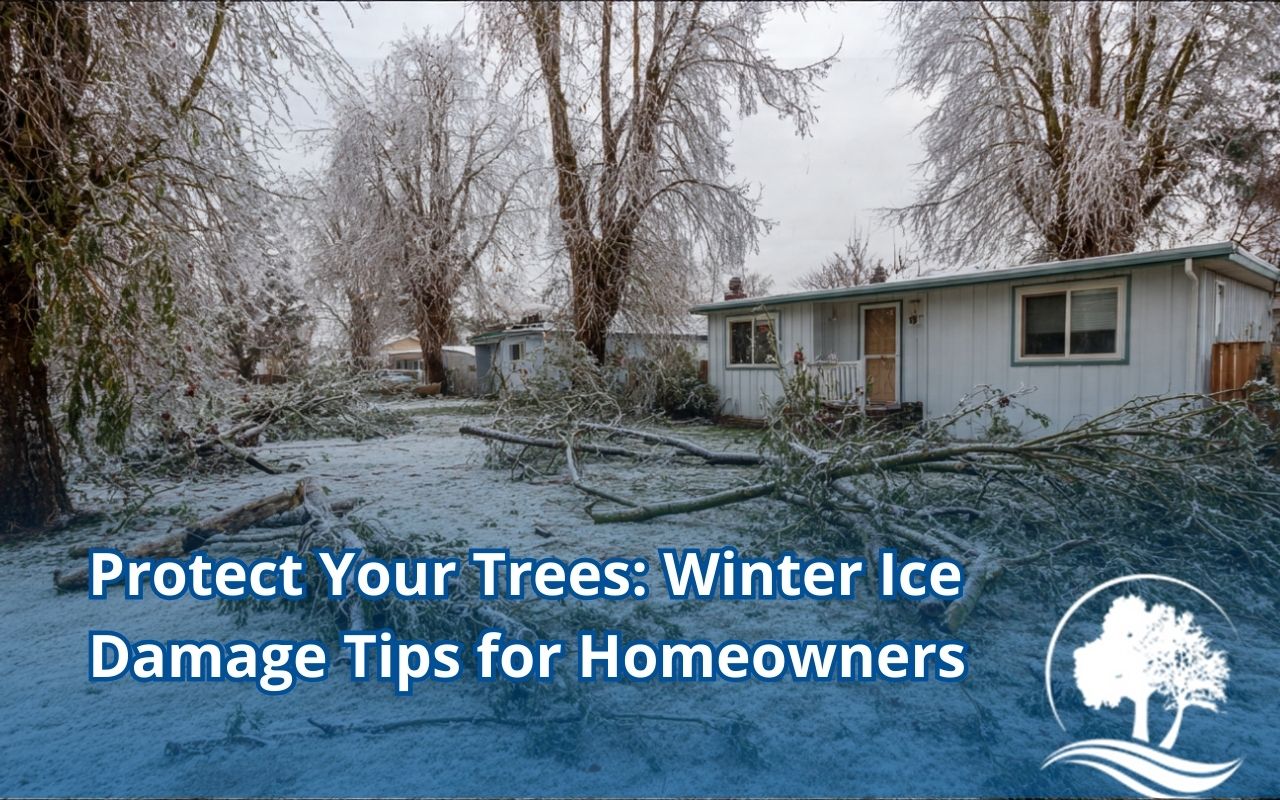
Ice Storm Tree Damage can turn a pretty winter view into a real risk. Trees can snap, split, and fall under heavy ice. Still, with the right steps, you can protect your yard and home. When you need local help, Dream Tree Service LLC can guide you through safe next actions.
Because extreme winter weather is more common, planning now matters. This guide explains common tree damage from ice storms, simple ways to protect trees from ice, and smart steps for repairing ice storm tree damage after the storm passes.
Identifying Ice Storm Tree Damage in Your Yard
After an ice storm, look for clear signs of stress. Ice can bend branches until they break, and it can crack trunks as the weight pulls wood apart. Also, smaller twigs may scatter across the ground, while larger limbs may hang by a thin strip of bark.
- Fractured limbs, from small twigs to major branches
- Split trunks that weaken the tree’s structure over time
- Peeling bark that exposes living tissue to disease
Preventing Ice Storm Tree Damage Before Freezing Rain
Before cold weather arrives, take steps to reduce ice buildup. Regular pruning removes dead or weak branches that break easily. Also, thinning a dense canopy gives ice fewer places to collect. For young trees, staking and protective wraps can help trunks stay upright during wind and ice.
- Mulch around the base to steady soil moisture and temperature
- Water well before the first freeze, since hydrated wood cracks less
- Choose sturdy tree varieties with strong branch structure
Safeguarding Your Property During an Ice Storm
During the storm, falling limbs can damage roofs, cars, and power lines. Therefore, move patio items, tools, grills, and pots away from trees. Park vehicles away from large canopies when you can, and avoid standing under heavy limbs. If you need urgent guidance, read when to call emergency tree services after a storm.
Keep paths clear so you can exit safely. A tarp over shrubs can limit bending from ice-heavy branches. If ice forms near a structure, gently brush it off with a long tool, and stand well away from falling wood.
Safe Cleanup and Ice Storm Tree Damage Assessment
After ice melts and the ground firms up, inspect each tree from several angles. Look for broken limbs, trunk cracks, bark splits, and branches touching the ground. Also, watch for a new lean, since that can signal root or soil trouble below. Use this tree damage assessment guide to organize your notes.
Take clear photos for insurance or for a pro review. Then, sort damage by severity, from small twig breaks to major structural splits. Early checks help you plan safer cleanup and faster recovery.
Safety Measures for Dealing With Damaged Trees
Safety comes first during cleanup. Wear gloves, eye protection, and sturdy boots. Never cut or move limbs touching power lines, and contact your utility provider instead. Keep kids, pets, and bystanders far from the work area, since unstable wood can drop without warning.
Use sharp tools for clean cuts, and avoid ladders on wet, slippery ground. If a limb could swing or fall, brace it with a rope or call for help. For urgent hazards, consider emergency tree services for storm hazards.
Trimming and Pruning for Tree Recovery
Once hazards are removed, pruning helps trees heal. Make clean cuts just outside the branch collar, which helps the wound seal. Avoid leaving stubs, since they invite pests and decay. Also, prune in late winter or early spring, when trees are still dormant.
- Cut just outside the branch collar, not flush to the trunk
- Use the three-cut method on large limbs to prevent bark tearing
- Limit big cuts, since heavy pruning can add stress
Repairing Ice Storm Tree Damage the Right Way
Repairing ice storm tree damage often means addressing splits and large breaks. For small splits, a brace and tree-rated hardware can hold wood together while new growth forms. Also, wrapping exposed tissue can reduce moisture loss and pest risk. When a large limb breaks but stays attached, remove weight safely, then trim back to the collar.
For major trunk splits, support cables may be needed high in the canopy. If a tree is unstable or too damaged to save, removal may be the safest option. Learn what to expect with storm-damaged tree removal in Towson.
When to Bring in a Certified Arborist
Sometimes, damage is too risky for a homeowner. A certified arborist can handle unstable trunks, heavy limbs, and hidden decay with the right training and gear. They can also spot problems that ice pressure made worse, such as internal rot or disease. Dream Tree Service LLC can help evaluate whether repair, cabling, or removal fits your situation.
Before hiring, check credentials and ask for references. A written plan should explain the work and the risks. As a result, you get safer outcomes and a better long-term plan for your landscape.
Preventative Measures for Future Ice Storms
To limit future damage, build a steady tree-care routine. Shape young trees to form strong branch angles, and thin dense canopies so ice has fewer surfaces to cling to. Replace weak trees with hardy species that bend rather than snap. In addition, deep watering during dry late autumn weeks can strengthen tissues before freezes.
Keep soil healthy with organic mulch, and avoid heavy foot traffic near roots. Some evergreens may benefit from anti-desiccant sprays before the first deep freeze. Meanwhile, routine inspections help you catch weak limbs early.
Frequently Asked Questions
What is the most common tree damage after an ice storm?
Fractured limbs, split trunks, and peeling bark are common. Ice weight often causes sudden breaks, especially in weak branch unions.
Should I remove ice from branches during a storm?
Only if you can do it safely from the ground. Use a long pole gently, and stand clear, since limbs can drop without warning.
When can I prune after winter storm damage?
Remove dangerous limbs right away, if it is safe. For recovery pruning, late winter or early spring is often best, since trees are still dormant.
Can a split trunk be saved?
Minor splits may recover with bracing or cabling. However, major splits can make a tree unsafe, so an arborist should assess it.
When should I call a professional for storm cleanup?
Call a pro if limbs are large, trees are leaning, or power lines are involved. Also, get help when the work requires climbing or chainsaws near structures.
Protect Your Home and Trees After the Storm
Ice Storm Tree Damage can feel overwhelming, yet quick, careful steps can reduce risk and help trees recover. Identify hazards, clean up safely, and use proper pruning and repair methods. Then, keep up with routine care to reduce future harm.
If you want a clear plan for Ice Storm Tree Damage on your property, contact Dream Tree Service LLC through contact Dream Tree Service for winter storm tree help. With the right support, you can protect your landscape and keep winter beauty from becoming a hazard.