
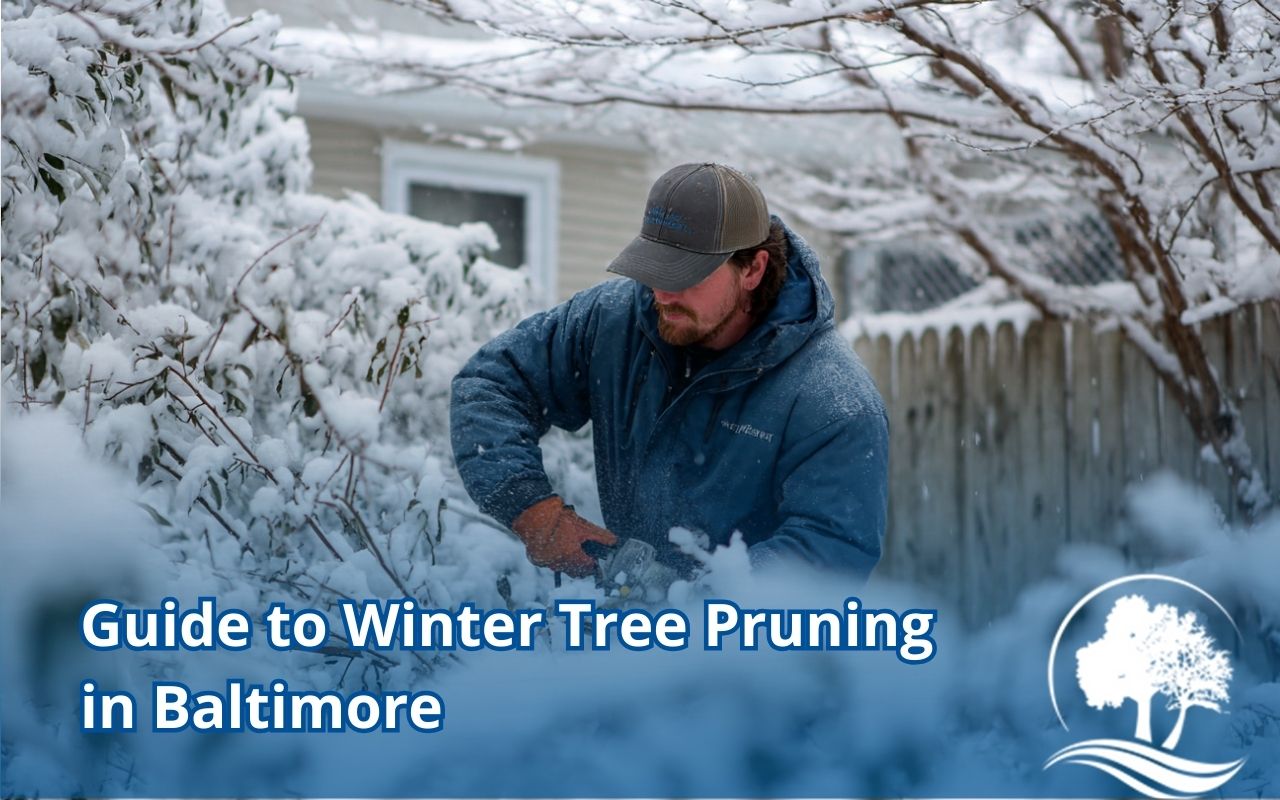
Winter Tree Pruning in Baltimore might seem unusual, but timing is vital for tree health and style. During local winters, bare branches reveal each tree’s shape, so you can see structure clearly. This view makes careful cuts easier and turns a cold season into a chance to improve your yard.
With the right advice, winter pruning feels simple instead of scary. This guide explains the best time for winter tree pruning, safe methods, and winter pruning techniques for Baltimore. You will learn how to prune trees in winter safely and prepare them for a strong spring.
Benefits of Winter Tree Pruning in Baltimore
Choosing cold-season care brings many benefits for Baltimore trees. Without leaves, you can clearly see every branch and the full outline. This clear view helps you spot weak, crossing, or damaged limbs before they fail. Clean cuts during dormancy also lower the chance of insects and disease entering fresh wounds.
- Encourages strong new shoots in spring after dormant pruning.
- Reduces broken branches from snow and ice buildup.
- Improves air flow and light through the canopy.
- Shapes trees so they look balanced and neat in every season.
When you plan a winter schedule, your trees can grow with more energy and less stress. If you prefer expert help, consider local specialists in tree pruning in Towson or detailed tree pruning in Perry Hall.
Understanding the Best Time for Winter Tree Pruning
Planning the best time for winter tree pruning protects the bark and inner tissues. Most arborists suggest late winter, after the harshest cold has passed but before sap begins to rise. In Baltimore, this helpful window usually runs from mid-January through early March, when trees are still fully dormant.
Good timing supports fast healing and strong spring growth. Cuts made during extreme cold can harm the living cambium. However, pruning too late, once buds swell, can interrupt the flow of nutrients. By choosing a calm, dry day within this late winter period, you give each cut a better chance to close quickly.
- Avoid pruning during deep freezes or icy weather.
- Watch for swelling buds as a sign that pruning time is ending.
- Schedule big projects before early spring storms develop.
Checking Tree Health Before Pruning
Before you start cutting, take time to check each tree’s health. Look for signs of decay, such as soft or cracked bark, sawdust at the base, or dark, sunken spots. Healthy branches feel solid and usually snap cleanly when bent. Mark damaged or risky limbs so you can remove them safely.
Next, review the overall shape. Notice if the tree has several leaders, which are main stems competing for the top spot. Choosing one strong leader and removing weaker ones lowers the chance of future trunk splits. By setting clear goals before pruning, you avoid random cuts that could harm the tree.
Essential Tools for Winter Tree Pruning
Having the right tools makes every winter project smoother and safer. Use sharp hand pruners for small twigs, loppers for thicker limbs, and a pruning saw for larger branches. Dull blades can tear bark instead of slicing it, which slows healing and raises the risk of disease.
- Inspect handles, locks, and blades before every session.
- Clean tools with a disinfectant between trees or cuts.
- Use a stable ladder and never overreach while cutting.
Learning how to prune trees in winter safely includes caring for your gear. Clean, sharp tools support careful work and reduce accidents. For bigger tasks, explore professional tree care services that bring the correct equipment to your yard.
Techniques for Making Accurate Cuts
Accurate cuts help trees heal faster and grow stronger. For larger limbs, use the three-cut method. First, make a small undercut a few inches from the trunk. Second, cut from the top slightly farther out to remove the weight. Finally, remove the stub just outside the branch collar.
The branch collar is the slightly swollen area where the limb joins the trunk. Always cut just beyond this spot at a slight angle. Avoid flush cuts that remove the collar, and never leave long stubs that can rot. These simple winter pruning techniques for Baltimore reduce damage and support healthy callus growth.
Handling Common Winter Pruning Challenges
Cold-weather pruning brings its own set of challenges. Ice and snow can make branches brittle and slippery, so avoid working on days with heavy buildup. Choose mild, dry weather instead. Stable footing, warm gloves, and eye protection also make tasks safer and more comfortable during Winter Tree Pruning in Baltimore.
Thick tangles of limbs can be confusing. Start with obviously dead, diseased, or broken branches, then move to crowded areas. Use ropes or a throw line to lower heavy limbs safely from tall trees. Careful planning and patient steps reduce surprises and help each pruning session feel more controlled.
Proper Disposal of Pruned Tree Branches
Managing branches after cutting keeps your yard tidy and safe. Cut large limbs into smaller pieces that are easier to move. Stack tiny twigs in a separate pile for chipping or shredding. This simple system keeps paths clear and lowers the chance of trips or falls while you work.
If you chip branches, let the fresh wood chips age before spreading them as mulch. New chips can steal nitrogen from soil as they break down. When on-site chipping is not an option, contact a local yard waste program that accepts tree debris. Proper disposal supports a clean and healthy landscape.
Caring for Trees After Pruning
Post-pruning care helps trees recover from winter work. Spread a light layer of organic mulch around the base, keeping it a few inches away from the trunk. Mulch helps hold moisture, smooths soil temperature changes, and blocks weeds that compete for water and nutrients.
Check each tree in the following weeks for signs of stress, such as delayed buds or dieback on recently cut limbs. Water deeply during long dry spells, especially if the soil is bare or sandy. Avoid heavy fertilizing right away, since new shoots need time to form and harden first.
Improving Tree Strength Through Winter Pruning
Thoughtful winter pruning builds stronger trees and a safer property. Removing weak, crowded, or rubbing branches reduces the risk of storm damage. It also helps shape a solid branch framework that can handle wind, ice, and early spring storms common across Baltimore neighborhoods.
Regular care encourages balanced canopies with better air flow and light. Over time, this reduces fungal problems and supports vigorous growth. If you want to understand who is working in your trees, learn more about our tree care team and their approach to long-term tree health.
Frequently Asked Questions
What is the best time for winter tree pruning in Baltimore?
The best time for winter pruning is usually from mid-January to early March. During this period, trees stay dormant, and the worst cold has often passed. This mix of dormancy and milder weather supports clean cuts and steady healing as spring approaches.
Is winter tree pruning safe for every type of tree?
Many shade and ornamental trees respond well to winter pruning, yet some flowering species prefer late spring or summer cuts. When in doubt, check your specific tree type or consult a certified arborist. This step helps protect bloom cycles and long-term health.
How do I prune trees in winter safely around my home?
Always use sharp tools, stable ladders, and proper safety gear. Keep people and pets far from the work zone. Do not prune near power lines or climb very tall trees without training. In those situations, it is safer to hire a professional crew.
Can I mulch pruned branches right away?
You can chip branches soon after cutting them, but let fresh chips age before using them as mulch. A short aging period lowers the chance of nitrogen loss in the soil. Meanwhile, store chips in a neat pile away from trunks and buildings.
When should I call a professional for winter pruning help?
If branches hang over roofs, power lines, or busy walkways, or if trees are very tall, call a professional. You can reach out to the Dream Tree MD team for safe, trained help with complex pruning projects.
Maintaining Healthy Trees Year-Round
Maintaining a clear winter routine keeps trees strong in every season. Focus on good timing, careful cuts, and thoughtful follow-up care. When you pair these steps with clean tools and safe disposal, Winter Tree Pruning in Baltimore becomes a simple, rewarding habit that supports vibrant, resilient trees for years to come.