
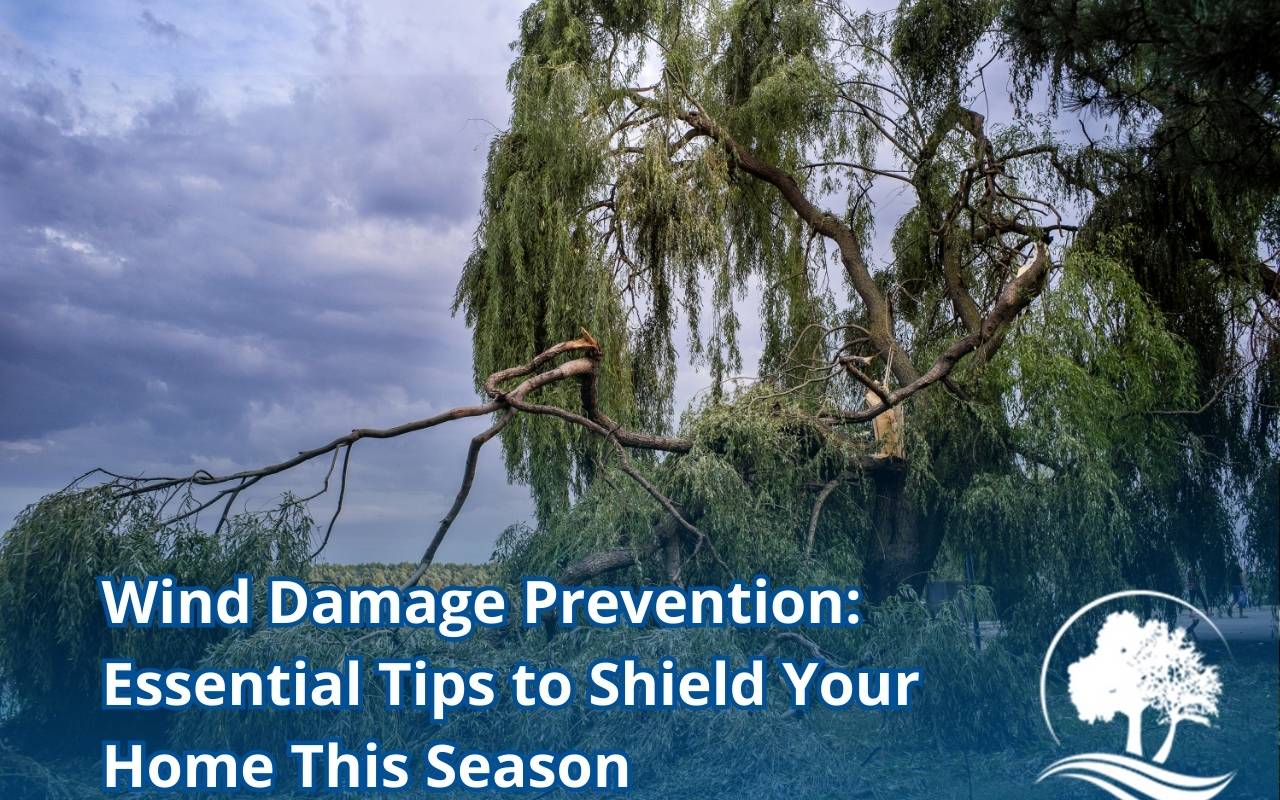
After the skies clear and winds settle, it is tempting to assume the worst has passed. However, storm aftermath often reveals hidden dangers, particularly with trees near your property. A post-storm tree checkup is not a routine chore; it is a critical step to safeguard property and budget. Neglecting this task can lead to structural damage, injuries, or costly repairs. With proactive care, you gain peace of mind knowing risks are managed and your home stays safe. Use these strategies to turn storm recovery into an opportunity for long-term prevention and preservation.
Assessing Tree Stability and Structural Integrity
Start your post-storm tree checkup by evaluating tree stability. Walk around the tree to note leaning or unusual posture. Soil heaving or exposed roots may signal compromised anchoring. Tap the trunk to detect hollow sounds, suggesting decay. Observe codominant stems or branch unions, as these are prone to splitting. Cracks in junctions can widen under strain. A damaged tree has reduced resilience, making assessment vital. Identifying risks early lets you take corrective action before serious harm occurs. For professional insights, consider tree stability services.
Identifying Warning Signs of Damage
Warning signs are crucial in a thorough post-storm tree checkup. Look for bark splits, missing bark, or fissures that invite pests. Broken or hanging branches, often called widowmakers, should be removed immediately. Fresh sawdust at the base suggests insect activity weakening wood. Wilted leaves or stripped branches indicate disrupted nutrient flow. Fungal growth also reveals decay. Recognizing these symptoms early helps you prioritize actions, protecting your safety and budget. For related guidance, visit our tree maintenance checklist.
Inspecting for Hidden Risks Above Ground
- Scan canopies with binoculars for cracked limbs or hidden damage.
- Check branch unions and collars for structural weakness.
- Identify deadwood clusters, also called snags, that pose fall risks.
- Note canopy gaps, which alter wind balance and increase strain.
- Look for debris hanging near power lines or rooftops.
A post-storm tree checkup that includes canopy inspection prevents future emergencies. Addressing these risks now ensures safe surroundings and a stronger landscape.
Evaluating Root System Health and Impact
- Walk around the tree and watch for soil heaving or cracked roots.
- Look for girdling roots that can choke trunk growth.
- Check soil moisture; pooling indicates rot risk.
- Probe soil with a trowel to detect hollow root areas.
A complete post-storm tree checkup must cover roots. Document findings to decide on aeration, pruning, or professional support.
Prioritizing Pruning and Trimming Needs
Pruning is essential in a post-storm tree checkup. Remove damaged branches using clean cuts to promote healing. Avoid topping, which weakens structure. Thin the crown to improve airflow and light. Eliminate rubbing branches to reduce friction. Urgent risks, like broken limbs near homes, should be prioritized. Regular trimming improves health and prevents recurring damage. For larger tasks, explore our safe tree removal services.
Understanding When to Seek Professional Help
Some post-storm tree checkup tasks require experts. Large trunk cracks, deep hollows, or root failures demand arborist evaluation. Professionals handle risks involving heights and power lines safely. They also provide treatments such as cabling or bracing for heritage trees. Seeking professional support ensures hazards are managed effectively without personal danger. Learn more by visiting emergency tree services.
Implementing Maintenance Strategies for Long-Term Protection
- Inspect trees twice yearly to catch minor issues early.
- Apply mulch to regulate soil temperature and retain moisture.
- Deep water and fertilize to strengthen root development.
- Prune during dormant seasons to reduce stress and disease.
Documenting your post-storm tree checkup results creates a reliable maintenance record. Regular care strengthens trees against future storms and reduces long-term costs.
FAQs on Post-Storm Tree Checkups
Why is a post-storm tree checkup necessary?
It helps detect hidden damage, preventing property harm and ensuring long-term tree health after storms.
What signs of tree instability should I watch for?
Look for leaning, soil heaving, cracks in the trunk, and exposed or broken roots.
Can I handle a post-storm tree checkup myself?
Basic inspection is possible, but large damage, root issues, or canopy risks need professional help.
How often should I inspect trees after a storm?
Check trees immediately after every storm and conduct seasonal inspections twice a year.
When should I call an arborist?
Call if you find major trunk cracks, large broken limbs, or risks near power lines.
Budget-Friendly Solutions for Tree Care
A post-storm tree checkup does not always require big spending. Handle small pruning tasks with simple tools. Borrow or rent equipment if needed. Municipal debris programs may chip branches into mulch. Work with neighbors to share costs. Addressing issues early saves money by preventing extensive damage. Simple steps keep trees safe without straining budgets.
Creating an Emergency Plan for Future Storms
Use your post-storm tree checkup findings to build an emergency plan. List hazardous trees and trusted contractors. Store details in a safe and accessible place. Schedule pre-storm inspections yearly. Designate safe gathering zones away from trees during severe weather. Preparedness reduces cleanup time and ensures family safety. Acting now prevents confusion when the next storm arrives.
Ensure Your Property’s Safety and Beauty
A consistent post-storm tree checkup is the best defense against storm risks. Regular inspections and smart pruning safeguard your home, landscape, and budget. Incorporating these steps strengthens property defenses and preserves beauty. Take action today by reaching out through our contact page for personalized guidance.