
Every year, unexpected dangers lurk above our heads that often go unnoticed until it’s too late. The majestic canopy of trees that lines our neighborhoods and parks offers beauty and shade, but it can also harbor hidden threats: falling branch risks. These risks are not just a concern for arborists or city planners; they’re a reality for anyone who walks under the green expanse or parks their car on a leaf-dappled street. Did you know that thousands of injuries occur annually due to falling branches, leading to property damage and even fatalities?
Understanding the extent of these risks and how you can protect yourself and your surroundings is crucial. Navigating the complexities of nature’s unpredictability might seem daunting, but there’s good news. By staying informed and taking proactive measures, you can reduce the chances of being caught unaware by these natural hazards. Whether you’re a homeowner, a parent, or simply someone who enjoys a leisurely walk under leafy branches, there are practical steps you can take. From regular tree inspections to understanding signs of potential danger, learning how to stay safe from falling branch risks is an essential part of living harmoniously with nature’s wonders.
Understanding the Risks of Falling Branches
Trees provide shelter, beauty, and even improve air quality, but they also come with potential hazards. One major concern is unexpected branch failure. Branches can weaken over time due to decay, disease, insect infestation, or structural imbalance. During windy conditions or heavy storms, these limbs may give way, posing a threat to people, vehicles, and property below.
Various factors contribute to the likelihood of branch snapping:
- Age: Older trees often have deadwood that gradually loses strength.
- Soil conditions: Poor soil impacts root stability and compromises tree support.
- Weather: Ice accumulation, drought, and storms increase vulnerability.
- Species traits: Some trees naturally have brittle wood or weak unions.
Recognizing the prevalence of falling branch risks in your environment is the first step toward safeguarding your outdoor space.
Importance of Regular Tree Inspections
Routine tree inspections are proactive measures that can drastically reduce falling branch risks. By visually assessing trees several times a year, you can identify early warning signs. Inspections should cover the trunk, major limbs, unions, and root flare—areas most likely to reveal cracks, cavities, or fungal growth.
Key seasonal checks include:
- After winter: Look for ice or snow damage.
- In spring: Inspect for disease indicators or discoloration.
- Summer: Watch for insect infestations or drought stress.
- Autumn: Spot structural weaknesses before storms arrive.
With consistent scrutiny, you increase the odds of catching trouble early, potentially avoiding costly repairs and injuries. For emergencies, learn when to call emergency tree services.
Signs of Potential Danger to Look Out For
When it comes to staying safe from falling branch risks in your area, it’s crucial to be vigilant. Watch for these warning signs:
- Branches overhanging structures or power lines.
- Weak or dead branches with cracks or decay.
- Leaning trees that signal instability.
- Hollow trunks showing internal decay.
- Visible cracks in trunks or major branches.
Being proactive in identifying these signs helps mitigate risks and ensures community safety.
Best Practices for Tree Maintenance
Proper tree maintenance is a cornerstone of reducing falling branch risks. Establishing a care regimen keeps trees strong and resilient. Practices include pruning, mulching, and soil management.
Key maintenance steps:
- Prune dead or overextended branches in late winter or early spring.
- Maintain mulch depth of 2–4 inches, avoiding trunk contact.
- Fertilize based on soil tests, not assumptions.
- Select species suited to local soil and climate when planting.
For complex tasks, consider safe tree removal performed by experts.
Creating Safe Zones in Your Outdoor Space
Designing your landscape with safety in mind reduces exposure to falling branch risks. Identify areas beneath overhanging limbs where people gather, such as patios or playsets, and relocate them when possible. If moving isn’t feasible, position spaces under stronger canopy parts or clear of known weak branches.
Additional strategies include installing gazebos or pergolas to shield against debris. Avoid parking expensive vehicles beneath large trees during storm seasons. Thoughtful placement of outdoor furniture and equipment helps you enjoy spaces with less risk.
Protective Gear and Equipment for High-Risk Areas
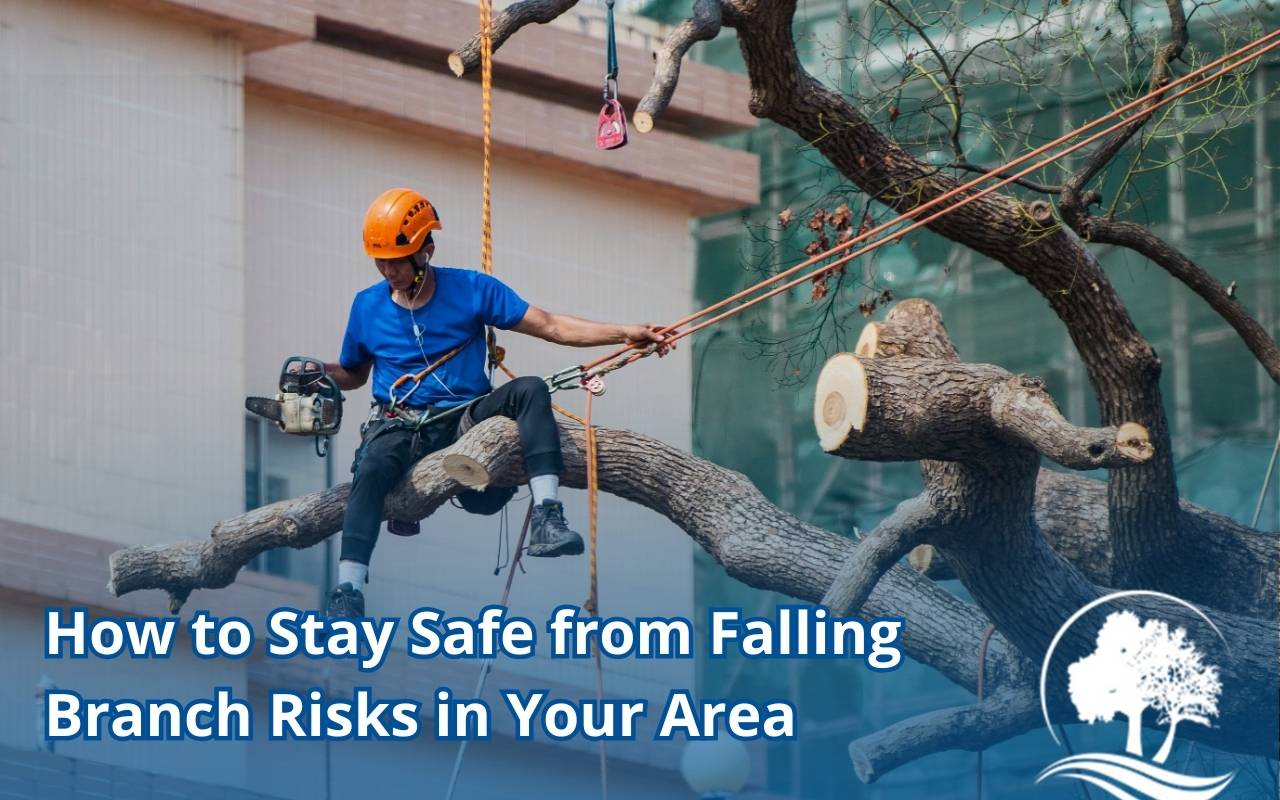
When working around trees, protective gear is essential. Hard hats shield heads from debris, while safety glasses guard eyes. Gloves prevent lacerations, and reinforced footwear lowers injury risks. For higher tasks, use harnesses, lanyards, and safe ladders. By equipping yourself properly, you minimize risks and ensure efficient maintenance.
Emergency Preparedness Measures
Even with inspections and maintenance, emergencies may occur. Developing a clear plan helps you act quickly if a branch falls. Establish safe retreat routes and keep first-aid kits handy. Store emergency contacts, such as local arborists or medical services, for quick access. Practicing your response plan reduces panic during real emergencies.
Community Involvement and Reporting Procedures
Falling branch risks extend beyond private property. Encourage neighbors to stay alert and report hazardous trees. Join community watch groups or forums to share safety tips. Many cities have hotlines for tree hazard reports. Community engagement leads to safer, greener neighborhoods for everyone.
Seeking Professional Help and Expert Advice
While homeowners can manage basic care, complex tree issues demand professionals. Certified arborists diagnose health problems and offer solutions like bracing or advanced decay testing. Always verify credentials and insurance before hiring. For ongoing concerns, explore expert advice on tree stability concerns to protect both people and property.
FAQs About Falling Branch Risks
What causes branches to fall unexpectedly?
Decay, pests, weather stress, and structural imbalances often cause branches to fall without warning.
How often should trees be inspected?
Trees should be inspected at least once per season, with extra checks after severe weather events.
Are some tree species more prone to breakage?
Yes, certain species have brittle wood or weak unions that make them more vulnerable to falling branch risks.
What should I do if I notice cracks in a tree?
Cracks indicate instability. Contact a certified arborist immediately to assess the risk and recommend solutions.
When should I call professionals instead of handling it myself?
If branches are large, near power lines, or show extensive decay, always rely on professional tree services.
Stay Safe and Enjoy Nature Responsibly
Staying safe from falling branch risks involves vigilance, maintenance, and community awareness. By recognizing warning signs, conducting regular inspections, and consulting professionals, you reduce accidents. Embracing proactive steps not only protects your property but also enhances tree health. For expert support, reach out through our contact page today.