
Picture a majestic tree, its branches stretching out like arms, providing shade and beauty to your landscape. However, nature’s forces can threaten its stability. Trees face numerous challenges as they grow.
From harsh winds to gravity on sprawling branches, trees often need extra support to remain healthy and upright. Consequently, tree cabling and bracing is a valuable solution for many homeowners.
By installing cables and braces strategically, you reduce the risk of branch failure. This technique helps maintain both tree aesthetics and property safety. To learn more, visit our Safe Tree Removal page for guidance on protecting your trees.
The Importance of Tree Stability
Structural integrity ensures trees are less likely to suffer cracks, splits, or breaks in branches or trunks. Stable trees also reduce hazards to people and structures nearby.
Moreover, trees with strong stability resist environmental stresses such as high winds, heavy snow, and uneven canopy loads. Maintaining stability prevents potential failure during storms.
Additionally, stable trees are more resistant to pests and diseases. A healthy transport system allows proper water and nutrient flow, enhancing the tree’s defense against decay and invasive insects.
Understanding Tree Cabling
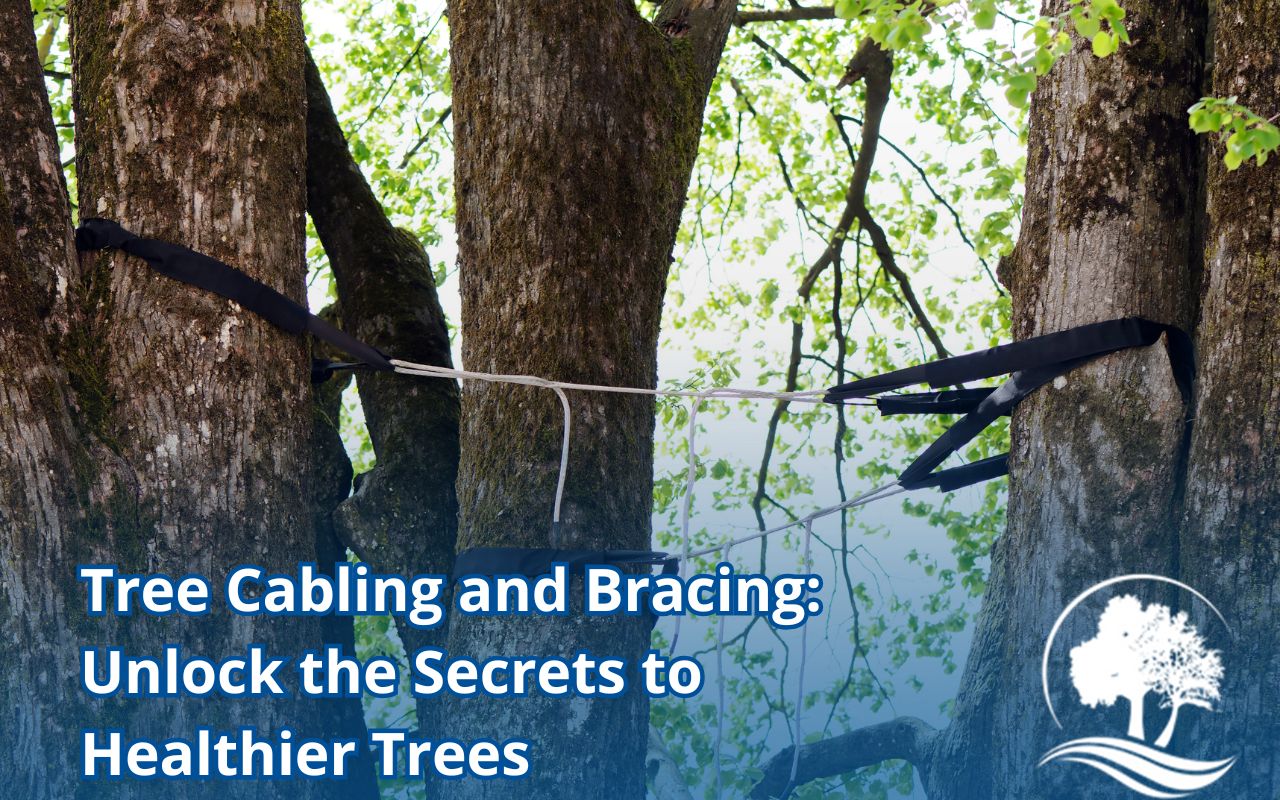
Tree cabling and bracing supports weak limbs or split trunks by redistributing mechanical stress with flexible cables and rigid braces. This approach strengthens the tree without heavy pruning or removal of branches.
Cables anchor between strong limbs to limit dangerous movement. Braces, like threaded rods, reinforce splits internally. Together, they preserve canopy density while reinforcing the natural structure.
Heritage or specimen trees particularly benefit from this method. Properly executed cabling works in harmony with tree biology, maintaining aesthetics and ecological value.
Benefits of Tree Cabling and Bracing
- Reduces branch or trunk failure during storms
- Extends tree lifespan by preventing structural damage
- Maintains canopy for birds, insects, and shade
- Cost-effective alternative to removing mature trees
Furthermore, professionally installed tree cabling and bracing provides long-term safety and protects your landscape investment.
Signs Your Tree Needs Cabling and Bracing
- Co-Dominant Stems: Two large limbs growing closely together may split under heavy loads.
- Visible Damage: Cracks, decay, or exposed wood at branches or trunks signal structural weakness.
- Abnormal Behavior: Excessive swaying, sagging limbs, or abnormal lean indicates instability.
Addressing these signs early with cabling reduces risks and maintains tree health. Consult tree stability experts for assessment and guidance.
The Tree Cabling Process Explained
Certified arborists first evaluate tree health, structure, and load distribution. This ensures proper anchor point selection for optimal support.
High-grade cables and corrosion-resistant fittings are then installed. Cables connect anchor points, limiting movement while allowing natural sway. Braces reinforce splits internally, and protective grommets reduce bark damage.
Best Practices for Tree Cabling and Bracing
Work only with certified arborists to ensure correct installation. Avoid DIY kits, as improper tension can harm trees.
Regular inspections every one to two years keep hardware functional. Use industry-standard materials and document installations. Combine cabling with proper pruning for balanced growth.
Maintenance Tips for Cabled Trees
Inspect cables and braces annually, especially after storms or heavy snow. Check for frayed cables, loose fittings, or corrosion. Keep areas around anchor points clear of debris and mechanical damage.
Monitor tree health for disease, pests, or nutrient deficiencies. Provide supplemental watering during droughts to sustain the system’s effectiveness.
FAQs about Tree Cabling and Bracing
How long does tree cabling last?
When installed properly and maintained, cables and braces can last for many years, providing continuous support.
Is cabling safe for all tree types?
Cabling works best on mature or structurally weak trees. Always consult a certified arborist for assessment.
Can I install cabling myself?
DIY installation is not recommended. Incorrect tension or placement may damage the tree.
Does cabling affect tree growth?
Properly installed systems allow natural growth while providing additional structural support.
Securing a Strong Future for Your Trees
Tree cabling and bracing preserves the health and stability of trees, especially in areas prone to storms. Investing in this preventative approach protects both your landscape and peace of mind.
Whether you want to protect a cherished specimen or learn how to safeguard trees from severe weather, these techniques ensure long-term resilience. Start today by reaching out through our contact page for expert advice.