
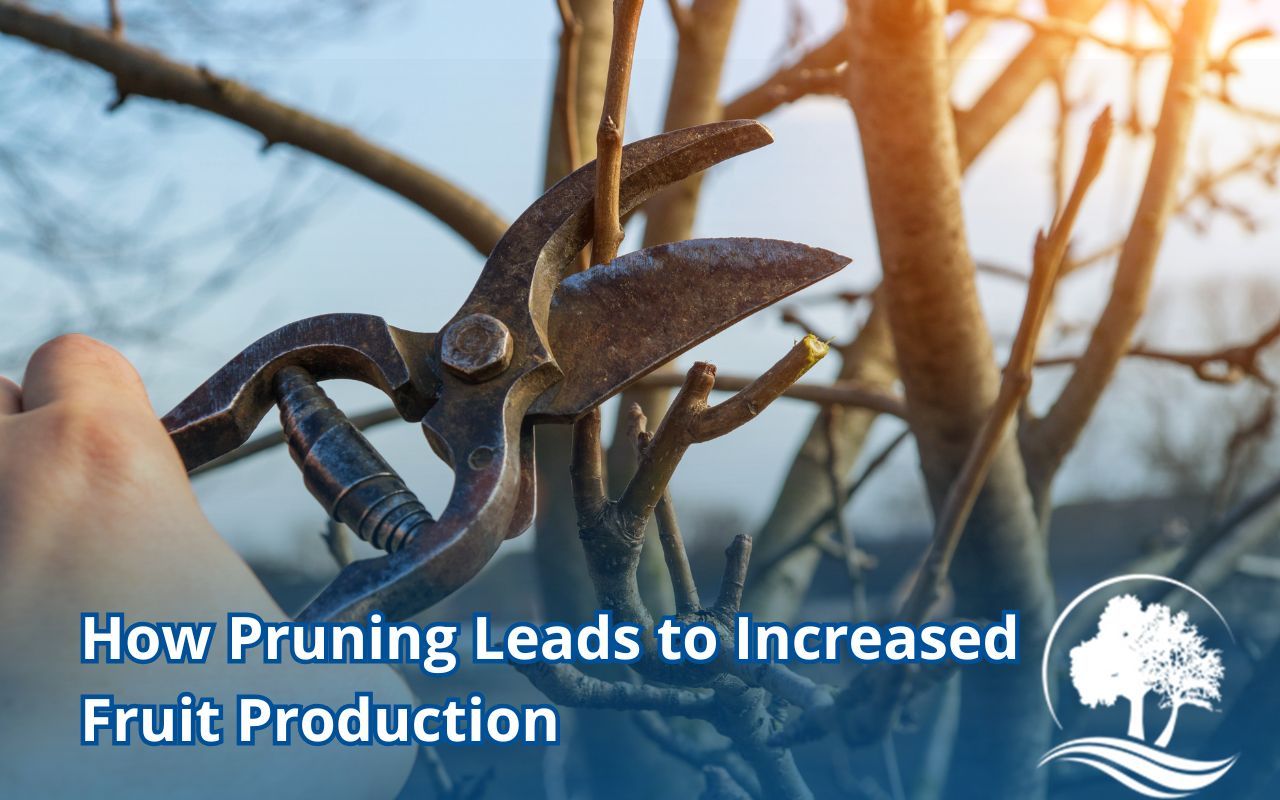
Fruit trees need more than sun and water to thrive. If you want a healthy harvest, regular pruning is essential for increased fruit production. By shaping the tree’s structure and removing unproductive branches, you give fruit-bearing limbs the space and energy they need to produce more—and better—fruit.
At Dream Tree Service LLC, we help homeowners across Baltimore and throughout Maryland care for their trees year-round. Let’s explore how strategic pruning boosts yield and keeps your fruit trees strong season after season.
Why Fruit Trees Respond to Pruning
Light and Air Make the Difference
Sunlight is critical for photosynthesis and fruit development. When a tree becomes overgrown, the inner branches get too little light and airflow—reducing the size and quality of the fruit. Pruning opens up the canopy so light reaches all parts of the tree, encouraging even fruit growth.
This is especially helpful for Maryland’s humid summers, where airflow also helps prevent rot and pests.
Focuses the Tree’s Energy
When unproductive branches are removed, the tree directs its resources to the healthiest limbs. That means better flowering, fruit set, and ripening. You can expect a more consistent and higher-quality yield when pruning is done correctly.
Learn why tree pruning is important to understand the science behind this growth boost.
Benefits of Pruning Trees Regularly for Fruit Production
Routine pruning is one of the best ways to care for fruit trees in both residential and commercial landscapes. Here’s what you can expect with regular maintenance:
- More fruit per season
- Healthier, better-sized produce
- Improved air circulation to reduce disease
- Easier harvesting from well-shaped trees
For best results, follow a proper pruning schedule that matches your tree species and local climate.
When to Prune for Increased Fruit Production
Dormant Season Is Best
The best time to prune fruit trees is late winter to early spring—before buds break, but after the coldest weather has passed. This minimizes stress on the tree and allows cuts to heal before new growth starts.
Some light summer pruning is okay too, especially if you’re shaping young trees or removing weak branches. But avoid pruning in late fall, as it can disrupt the tree’s natural preparation for dormancy.
To maximize your yield, consider pruning trees for growth during the right seasonal window.
Mistakes That Reduce Fruit Yield
Avoid Over-Pruning and Wrong Cuts
Cutting too much at once or removing fruit-bearing wood can reduce your harvest. Over-pruned trees might grow lots of foliage, but little to no fruit. It’s also important to make clean, angled cuts near branch collars to support proper healing.
Avoiding common pruning mistakes will help your fruit trees stay productive year after year.
FAQs – Fruit Tree Pruning for Better Yield
Does pruning really help fruit trees produce more?
Yes. It improves light access, airflow, and energy distribution—resulting in larger, healthier, and more fruit.
How often should I prune fruit trees?
Annually, during the dormant season. Some fast-growing varieties may need light touch-ups in summer.
Can I prune fruit trees on my own?
Small trees can be pruned with basic tools, but larger or mature trees are best left to a professional for safe and effective care.
Boost Your Harvest with Expert Tree Pruning
If you want to enjoy increased fruit production from your trees, routine pruning is the way to go. At Dream Tree Service LLC, we provide expert tree care throughout Baltimore and the entire state of Maryland. Our team ensures every cut supports your tree’s health—and your harvest.
Schedule your fruit tree pruning service today and enjoy the benefits all season long.