
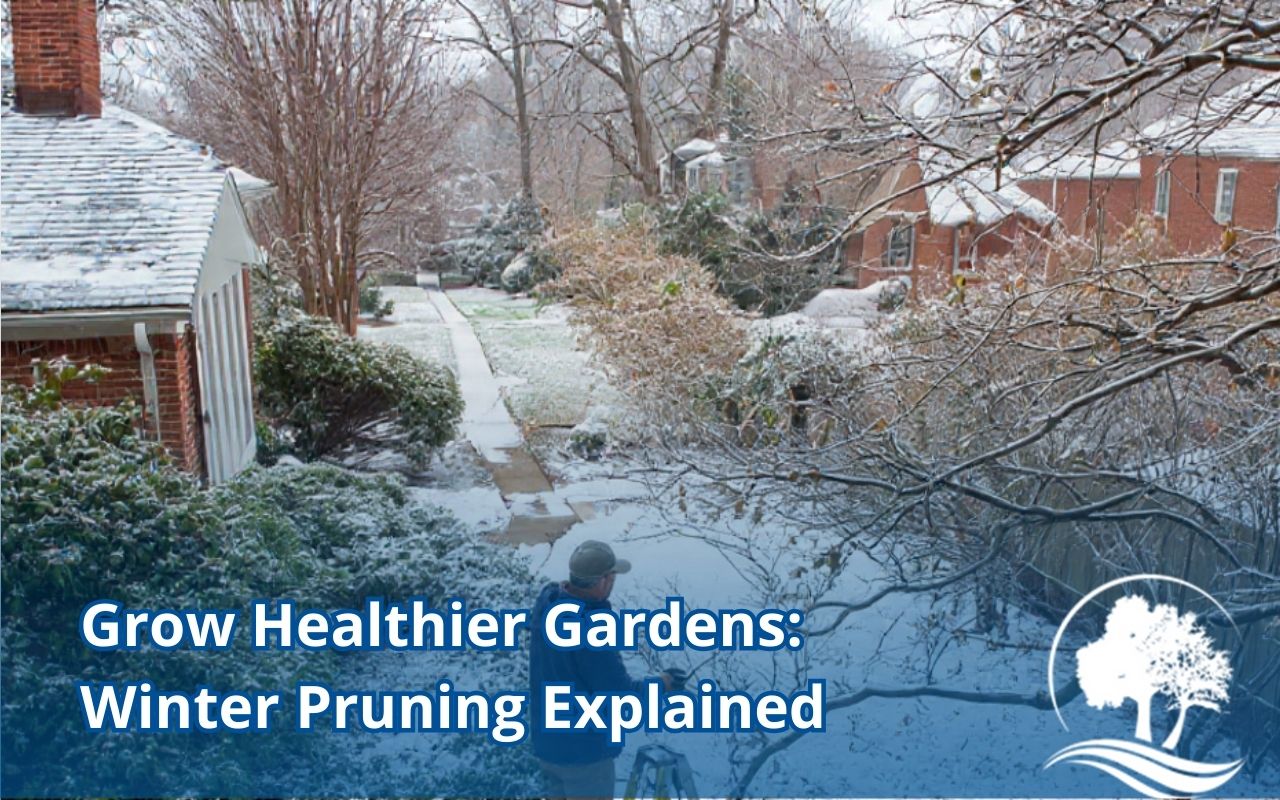
Winter Pruning Benefits help you grow a healthier, stronger garden even when everything seems asleep outside. While plants rest and snow may cover the ground, this quiet season still offers powerful ways to care for your trees and shrubs.
Instead of waiting for spring, you can use the colder months to guide growth, remove problem branches, and reduce pests. By shaping your plants now, you prepare them to burst into life with better color, structure, and strength when warmer days arrive.
Understanding Winter Pruning Benefits and Essentials
Pruning in the dormant season means removing dead, damaged, or crossing branches when leaves have dropped. Because the branch structure is clearly visible, you can see exactly which limbs compete, rub, or grow inward, and you can remove them with confidence and care.
This clear view makes each cut more precise and safer for the plant. Additionally, proper cuts heal cleanly, which limits the chance of disease. When you understand how winter pruning improves tree health, it becomes easier to plan your work and protect your landscape.
Key Steps for Basic Winter Pruning
- Identify dead, broken, or diseased branches first.
- Remove crossing limbs that rub and cause wounds.
- Thin crowded areas to let in light and fresh air.
- Step back often to check the overall shape and balance.
As you build skill, you may choose to consult the tree care experts at Dream Tree MD for guidance on more advanced pruning decisions.
Benefits of Pruning During Dormancy
During the dormant season, trees are not busy pushing out leaves, so they can recover from pruning more easily. One of the most valuable Winter Pruning Benefits is that energy moves into strong buds and branches instead of weak, crowded, or damaged growth.
The benefits of pruning trees in winter also include clearer sight lines to hidden issues. Broken limbs, tight branch angles, and storm damage are easier to spot without leaves in the way. Correcting these problems early reduces the risk of future breakage and keeps your garden safer.
- Stronger spring shoots and buds.
- Improved flower and fruit production.
- Reduced chance of heavy snow damage.
- Better long-term branch spacing and structure.
Promoting Plant Structure and Growth
Good structure supports your trees and shrubs for many years. By removing branches that grow inward or cross others, you open the canopy and encourage a balanced form. This open shape stands up better to wind, snow, and ice, and it also looks more attractive.
Pruning guides future growth by directing energy toward well-placed buds. When you cut just above a bud facing outward, new shoots develop away from the trunk. Over time, you will see exactly why winter pruning helps tree growth, as each season adds strength and stability to the framework.
Enhancing Plant Health with Winter Pruning Benefits
Removing dead, diseased, or insect-damaged wood in winter greatly lowers the risk of future infections. Because leaves are gone, you can see cankers, discoloration, and problem branches that might be hidden in summer. Cleaner cuts also mean fewer hiding places for pests and fungal spores.
Furthermore, pruning before spring allows trees to invest energy in healthy limbs instead of weak ones. When you understand how winter pruning improves tree health, you can focus on keeping only the strongest, best-placed branches. As a result, your plants develop deeper roots, thicker trunks, and more vibrant foliage.
Tools and Techniques for Effective Pruning
The right tools make pruning easier, safer, and more accurate. Sharp bypass pruners handle small branches, while loppers reach thicker stems. A quality pruning saw is important for larger limbs, especially those higher in the canopy or deeper inside the tree.
Essential Pruning Tools
- Bypass hand pruners for small, live branches.
- Loppers for thicker limbs that need extra leverage.
- A narrow pruning saw for larger cuts.
- Gloves, safety glasses, and a stable ladder for protection.
Safe Cutting Techniques
Always cut just outside the branch collar at a slight angle, so water drains away. For heavy branches, use the three-cut method: an undercut, a top cut to remove the weight, and a final cut at the collar. This method prevents bark tearing and supports faster healing.
If any branch feels too tall, too thick, or too close to power lines, consider scheduling professional tree services in Maryland to handle the work safely.
Timing Matters: When to Prune in Winter
Late winter is usually the best time to prune, just before buds swell but after the harshest cold has passed. At this stage, trees are still dormant, so stress is low, yet warmer weather will soon help wounds close more quickly and cleanly.
Choose dry, calm days when temperatures stay above freezing. Wet conditions slow healing and can dull or rust tools, while extreme cold may damage fresh cuts. Planning around the forecast helps you get the most from the benefits of pruning trees in winter.
Addressing Common Winter Pruning Mistakes
One of the most common mistakes is cutting off too much at once. Removing more than about one quarter of the live crown in a single season can shock the tree. Instead, spread larger corrections over several years whenever possible.
- Avoid topping trees, which creates weak, fast-growing shoots.
- Do not leave long stubs that fail to seal and invite decay.
- Never cut into the branch collar, where healing begins.
- Always clean tools between trees to limit disease spread.
By watching for these issues, you protect both your plants and your long-term landscape design.
Maximizing Results: Winter Pruning Benefits in Action
Good preparation turns a basic pruning day into a truly productive project. First, walk around your yard and mark branches that block paths, lean toward buildings, or show damage. This simple plan helps you stay focused and avoid removing healthy wood without reason.
- Take before and after photos to track results.
- Check how cuts affected new shoots in spring.
- Adjust your approach each year based on what you learn.
- Ask local arborists or gardening groups for feedback.
If you live near Towson, consider arranging winter tree pruning in Towson, MD for large or complex trees. Homeowners in nearby neighborhoods can also look into tree pruning in Perry Hall, MD for expert structural cuts.
Transforming Your Garden with Winter Pruning Benefits
Thoughtful pruning in the off-season can completely reshape how your garden looks and feels. Each careful cut supports stronger branches, neater outlines, and more light reaching the lower canopy. As spring arrives, the results appear in fuller crowns, brighter blooms, and steadier trunks.
Over time, your trees become better at resisting pests, disease, and storms. As you gain experience, you will see how winter pruning improves tree health across your entire property. This steady improvement turns your yard into a healthier, more welcoming outdoor space for every season.
Frequently Asked Questions
Is it always safe to prune trees in winter?
For most deciduous trees, winter is a safe and helpful time to prune. However, some species that bloom early in spring may lose flower buds if pruned too late in winter, so it is wise to check the needs of each tree first.
What are the main benefits of pruning trees in winter?
The main benefits of pruning trees in winter include clearer visibility of branches, less stress on the tree, fewer pest problems, and stronger spring growth. Additionally, the frozen ground often makes it easier to bring in equipment without damaging lawns or garden beds.
Can winter pruning improve tree health long term?
Yes, regular winter pruning supports long-term health by removing weak, diseased, or crossing branches before they cause bigger issues. When you focus on structure and light, you reduce decay, improve airflow, and help trees direct energy into their strongest, healthiest limbs.
Should I hire a professional for tall or mature trees?
It is best to hire a professional arborist for tall, mature, or hard-to-reach trees. They have training, safety gear, and insurance to handle risky cuts. If you need expert help, you can always request a winter pruning assessment from a qualified team.
How often should I perform winter pruning?
Most landscape trees benefit from a light review every winter to remove damaged or problem branches. Major shape changes can be spaced out over several years. By adjusting the schedule to each tree’s age and growth rate, you maintain safety and beauty without over-pruning.
Conclusion
Winter pruning offers clear advantages, from better structure to stronger, more resilient plants. By working while trees rest, you can guide growth, remove hazards, and support healthier roots, trunks, and canopies for years to come.
When you understand the benefits of pruning trees in winter and use simple, safe techniques, every cut has a purpose. With steady care and, when needed, help from trusted professionals, your trees will reward you with shade, beauty, and protection across every season.