
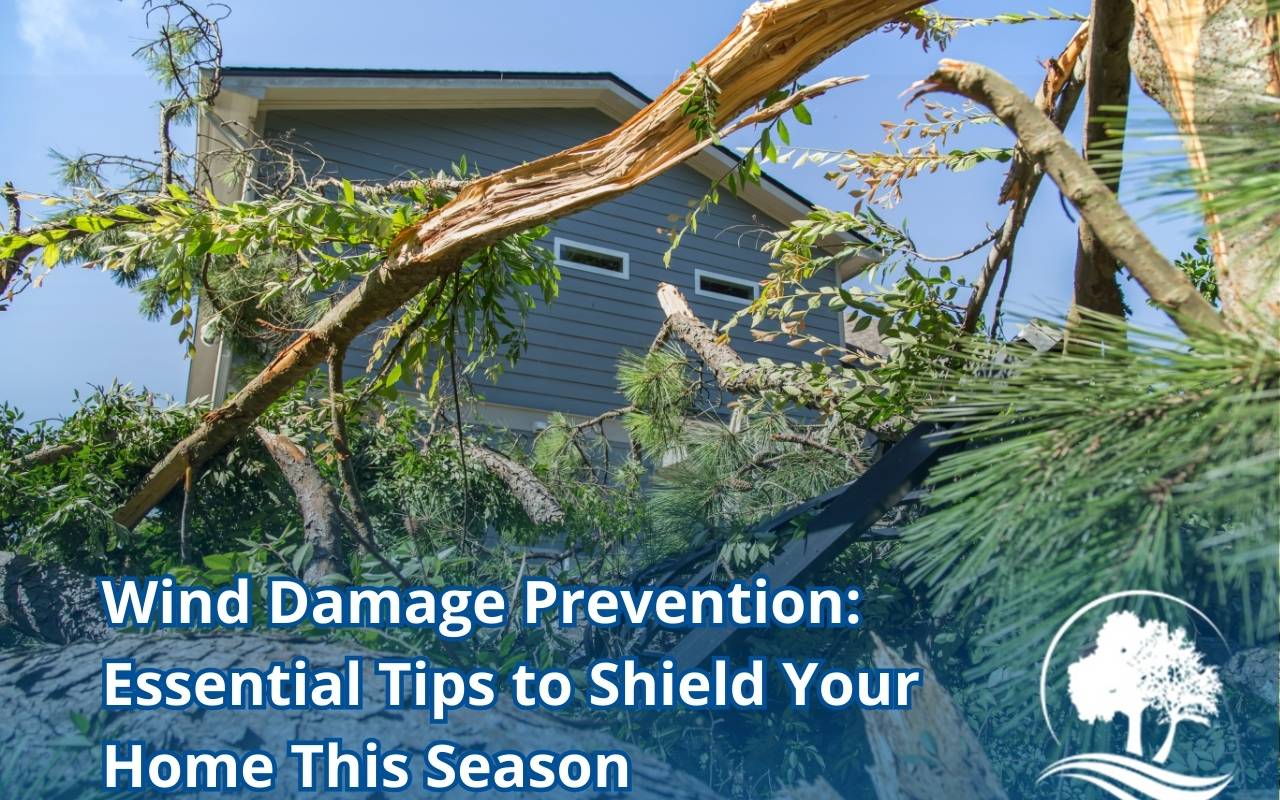
When the wind howls outside, it can cause extensive damage to your home quickly. Wind damage prevention is often ignored until it’s too late, leaving homeowners vulnerable. With preparation, you can reduce the risk of serious damage this season. Insurance claims related to wind reach billions yearly, proving the importance of preventive action. From securing shingles to tree care, each effort helps. These strategies will guide you to protect your home effectively. You’ll also learn how to manage trees so they remain safe during storms. Use these steps to create a secure home environment for your family.
Understanding Wind Damage Risks
Strong winds place immense pressure on your home’s structure. Gusts can lift shingles, bend siding, and weaken connections. In coastal regions, wind speeds often exceed safety limits, increasing risks. Wind-driven debris breaks windows and punctures walls, allowing water damage inside. According to FEMA, roof failure is the leading residential loss during wind events. By understanding patterns of failure, you can strengthen vulnerable areas. This knowledge ensures smarter planning and reduces future repair expenses.
Assessing Vulnerable Areas Around Your Home
A thorough inspection is the first step in wind damage prevention. Look for cracked or loose shingles. Ensure gutters and downspouts are secure to avoid water backup. Walk around the property to spot loose siding or warped boards. Windows and doors should fit tightly, with seals intact to block rain. Inspect landscaping for leaning trees or large branches that may fall. Mapping these risks on a simple diagram helps you plan protective steps. Take early action before strong winds arrive.
- Inspect roof shingles and flashing
- Secure gutters and siding panels
- Check windows, doors, and seals
- Identify hazardous trees and branches
Securing Roof and Siding Materials
Roofing and siding form your home’s main defense. Reinforcing them is key in wind damage prevention. Use corrosion-resistant nails or screws to secure shingles and panels. Upgrade to wind-rated shingles for extra resilience. Choose durable siding materials like fiber-cement or reinforced vinyl. Overlap panels correctly and seal joints with quality caulk. Add flashing around roof edges to keep water out. Each of these actions strengthens your home against wind-driven forces.
Reinforcing Doors and Windows
Doors and windows often fail first in storms. Strengthening them is vital for wind damage prevention. Install reinforced frames made of steel or fiberglass-reinforced vinyl. Add weatherstripping and impact-resistant glazing. Use storm doors with multi-point locking systems for added security. Sliding glass doors benefit from bracing kits or shields. For existing windows, hurricane clips reduce blowout risks. These measures help resist debris and pressure changes during storms.
- Install reinforced frames and locks
- Upgrade to impact-rated glazing
- Use storm doors and bracing kits
- Add clips for existing windows
Anchoring Outdoor Furniture and Decor
Loose outdoor items can become hazardous projectiles. Begin wind damage prevention outside your home by securing furniture and decor. Use heavy-duty straps or chains to anchor large objects. Store lightweight items in a shed or garage before storms. Use tie-downs or ground anchors if storage isn’t possible. Reinforce fences and play structures with stronger footings. These steps prevent outdoor items from causing additional damage.
Trimming and Pruning Trees for Wind Resistance
Healthy, pruned trees resist storms better. Overgrown limbs can break off and damage your property. Trim branches at least 10 feet from your home. Remove deadwood and thin foliage to reduce wind resistance. Proper pruning improves balance and flexibility. If needed, hire a certified arborist for safety. A consistent tree care plan protects your property and supports landscape health. For expert guidance, review our tree maintenance checklist.
Investing in Impact-Resistant Shutters or Screens
Impact-resistant shutters and screens offer excellent storm protection. They cover windows and doors, blocking debris and wind pressure. Choose reinforced aluminum, polycarbonate, or steel mesh for strength. Rolling shutters deploy quickly, while Bahama shutters combine style and durability. Impact-resistant screens blend seamlessly with existing frames. These additions provide peace of mind during wind events.
Creating a Family Emergency Plan
Even with protection, storms can overwhelm your home. A family emergency plan prepares you for worst-case scenarios. Set up communication options like phone, email, and a designated contact. Learn local evacuation routes and safe meeting points. Prepare kits with essentials such as food, water, and flashlights. Run safety drills to practice response steps. By preparing early, your family stays safer during storms. For emergency support, learn when to call emergency tree services.
Importance of Regular Maintenance
Routine maintenance is the backbone of wind damage prevention. Schedule inspections before and after storm seasons. Replace damaged materials and clear gutters. Keep records of inspections and repairs for planning. A consistent log highlights recurring problems. Maintenance ensures smaller issues never turn into major failures. Taking time for upkeep saves costs and protects your family.
Frequently Asked Questions
How often should I inspect my home for wind damage risks?
It’s best to conduct inspections at least twice a year, before and after storm seasons.
What trees are more likely to fall during storms?
Leaning, shallow-rooted, or poorly pruned trees are more vulnerable to storm winds.
Do impact-resistant shutters really work?
Yes, they are designed to withstand strong impacts and reduce pressure on windows and doors.
What should be included in an emergency kit?
Essentials include water, nonperishable food, flashlights, batteries, first-aid supplies, and documents in waterproof containers.
Can regular tree pruning reduce storm risks?
Yes, trimming deadwood and balancing canopies improves resilience and reduces hazards to your property.
Building a Resilient Home Against Wind Damage
Wind damage prevention requires assessment, reinforcement, and planning. Strengthen roofs, windows, and outdoor items. Maintain trees and install impact-resistant shutters. Establish an emergency plan and schedule routine maintenance. Each action contributes to a safer home and family security. For expert guidance or help, visit our contact page to connect with professionals today.