
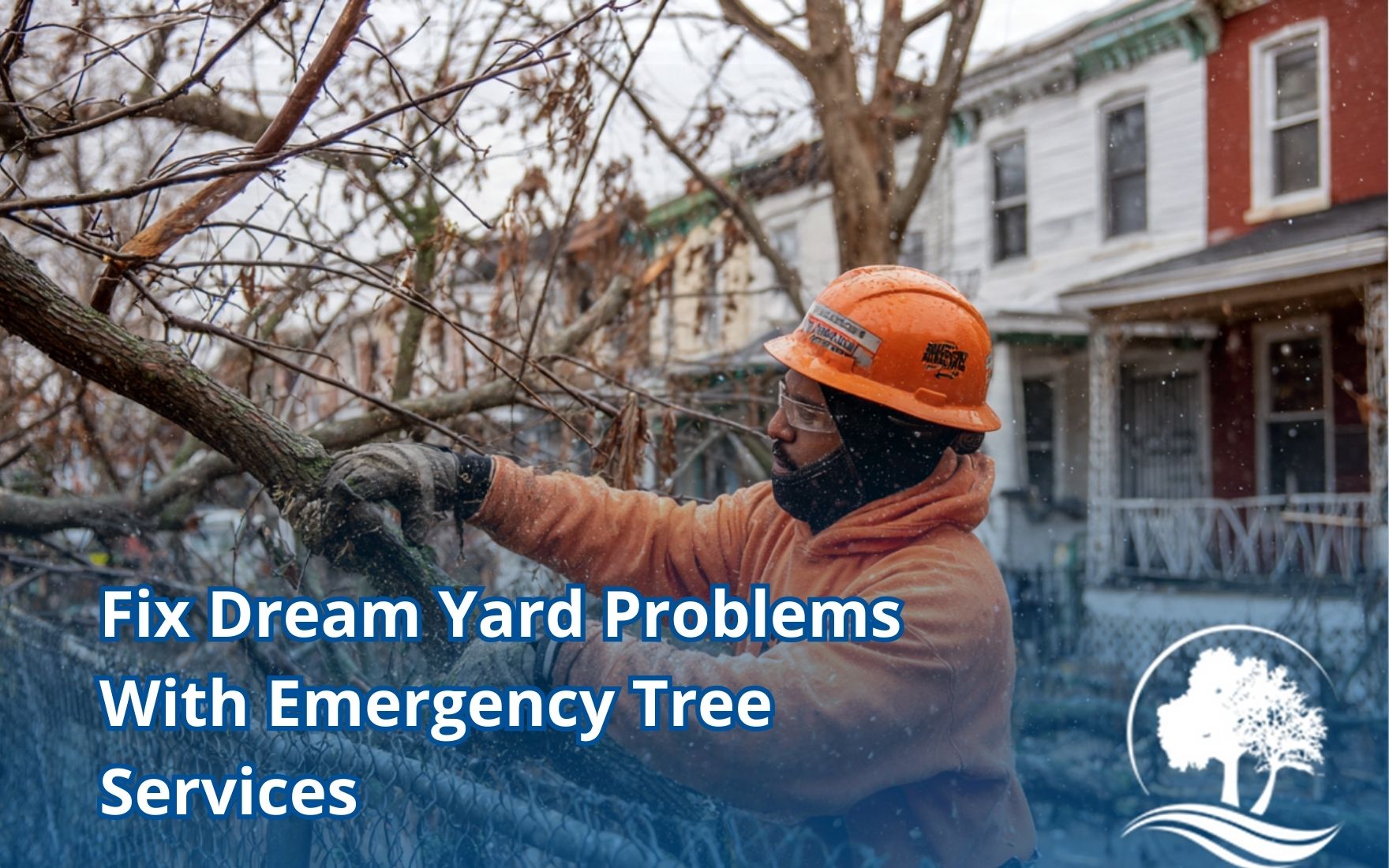
finding a tree disaster in your dream yard can be daunting. Maybe a storm has left fallen branches across your lawn. Or, a tree is close to toppling over. These storm-damaged tree risks can ruin curb appeal. Also, they can create serious safety concerns. That is why Emergency Tree Services matter.
Whether it is late at night or a weekend afternoon, help should be ready. For local homeowners, a 24/7 emergency tree service Baltimore teams provide can bring peace of mind. In this guide, you will learn what to do next. You will also see how pro crews reduce damage and restore safety fast.
Why Emergency Tree Services Matter for a Safe Yard
Protecting a healthy, beautiful yard often depends on quick action. When trees suffer storm damage or hidden decay, delays can raise the risk. Emergency Tree Services help stop small problems from turning into expensive repairs. In addition, fast support helps keep your property safe and your landscape looking strong.
Because emergencies do not follow business hours, round-the-clock help is valuable. A rapid response can reduce property damage. It can also lower injury risk for your family and neighbors. If you need a clear next step, explore Emergency Tree Services for what to expect and how crews respond.
- Reduce storm-related hazards before they get worse
- Protect vehicles, roofs, fences, and walkways
- Support long-term tree health and curb appeal
When to Call Emergency Tree Services
Many people wait too long because they are unsure. However, calling early can prevent bigger damage. In general, you should call Emergency Tree Services when a tree becomes unstable or threatens people or property. Even if you are uncertain, it is safer to ask for a professional assessment.
If you want a more detailed checklist, use how to assess tree damage to spot risks quickly and describe the issue clearly when you call.
Common emergencies that need immediate action
- Fallen trees or large limbs blocking driveways or entrances
- Leaning trees after wind, flooding, or soil movement
- Cracked trunks, split branches, or hanging limbs
- Damage near structures, parked cars, or play areas
Storm Damaged Tree Risks You Should Not Ignore
After severe weather, some hazards are obvious. Others are hidden inside the trunk or roots. Storm damaged tree risks can grow quickly, especially when wood is already weak. Therefore, acting fast helps protect your home and prevents repeat failures during the next storm.
To learn how to reduce future risk, review storm damage prevention and plan smart maintenance before the next heavy wind or ice event.
- Split limbs that can fall without warning
- Root lift or soil heaving that signals instability
- Tree-to-roof contact that worsens during gusts
- Broken branches that hang over walkways and driveways
Signs That a Tree Is a Real Hazard
Early warning signs often show up before a collapse. For instance, you may see trunk cracks, loose bark, or a lean that keeps increasing. Also, mushrooms near the base can suggest internal rot. When you see these signs, call a trained team instead of guessing.
Branch issues are especially common after storms. If you want to understand the danger, read falling branch risks and compare the symptoms to what you see in your yard.
Visible damage and leaning trees
After a storm, check for split trunks and cracked limbs. If a tree leans more than usual, it may fail soon. In that case, keep people away and contact help right away.
Fallen trees and large branches
If a tree or heavy limb is down, avoid cutting it yourself. Instead, secure the area and call a crew with the right equipment. That approach reduces injuries and prevents more damage.
Trees near power lines
Trees near lines are dangerous, especially when limbs break. If a branch is close to a wire, do not touch it. Keep distance and call for professional help immediately.
Disease and pest pressure
Decay, holes in bark, and unusual leaf loss can weaken structure. As a result, trees may fail during mild weather. A quick evaluation helps you decide on treatment, support, or removal.
Root problems
Root damage is easy to miss. However, exposed roots and lifted soil can signal severe instability. If roots are disturbed by construction or erosion, get an expert opinion quickly.
After major weather events
After hurricanes, ice, or heavy snow, look for fresh cracks and hanging limbs. Even if the yard looks fine, hidden damage can show up later. That is why inspections matter.
Steps to Take During a Tree Emergency
First, keep people and pets away from the hazard zone. Next, assess the scene from a safe distance. Do not stand under hanging limbs. Also, avoid using ladders or chainsaws in unstable conditions. Then, call a qualified team and share what you see.
For urgent support and safe triage, use emergency tree care as a practical way to understand how professionals secure the area and plan a safe removal.
- Block off the area with cones, tape, or parked vehicles
- Take photos from a safe distance for documentation
- Note if the tree is near structures, fences, or wires
- Describe the size, lean, and visible cracks when you call
Frequently Asked Questions
How fast can Emergency Tree Services respond after a storm?
Response time depends on weather and call volume. However, providing clear details helps crews prioritize urgent hazards and arrive prepared.
Is a leaning tree always an emergency?
Not always, yet a sudden lean after wind or soil movement can be urgent. If the lean is new or increasing, call for an assessment.
What should I do if a branch is near a power line?
Keep everyone away and do not touch the tree. Contact professionals right away, since electrical hazards require strict safety procedures.
Yes. Internal cracks, root damage, and decay may not be obvious. A professional inspection can catch problems early.
Will emergency crews remove the tree or try to save it?
It depends on stability and health. In many cases, crews can prune, stabilize, or remove only what is unsafe.
Professional Options for Different Emergencies
Each situation needs a different plan. For instance, crews may use rigging to lower heavy limbs safely. They may also brace or cable weak areas when the tree can be saved. When removal is the safest option, trained teams work in sections to protect nearby structures.
If removal is likely, learn about local options through tree removal Baltimore MD and understand what safe removal typically includes.
24/7 Emergency Tree Service Baltimore Homeowners Can Rely On
Emergencies can happen at any hour. Because of that, access to a 24/7 emergency tree service Baltimore residents can reach matters. It helps limit secondary damage, like water intrusion from roof impact or broken fencing from repeat limb drops. In addition, quick cleanup restores safe access to driveways and walkways.
If you need immediate next steps, contact Dream Tree Service LLC through the contact page to request help based on your situation and location.
Protect Your Yard Before the Next Storm
Prevention reduces emergencies. Schedule routine checks, remove dead limbs, and watch for early decay signs. Also, keep trees trimmed away from roofs and lines. With consistent care, your landscape stays safer and looks better through every season.
Emergency Tree Services can help when urgent problems strike. Yet proactive care lowers the chance you will need a last-minute call. When you combine prevention with fast response, your dream yard stays secure year-round.