
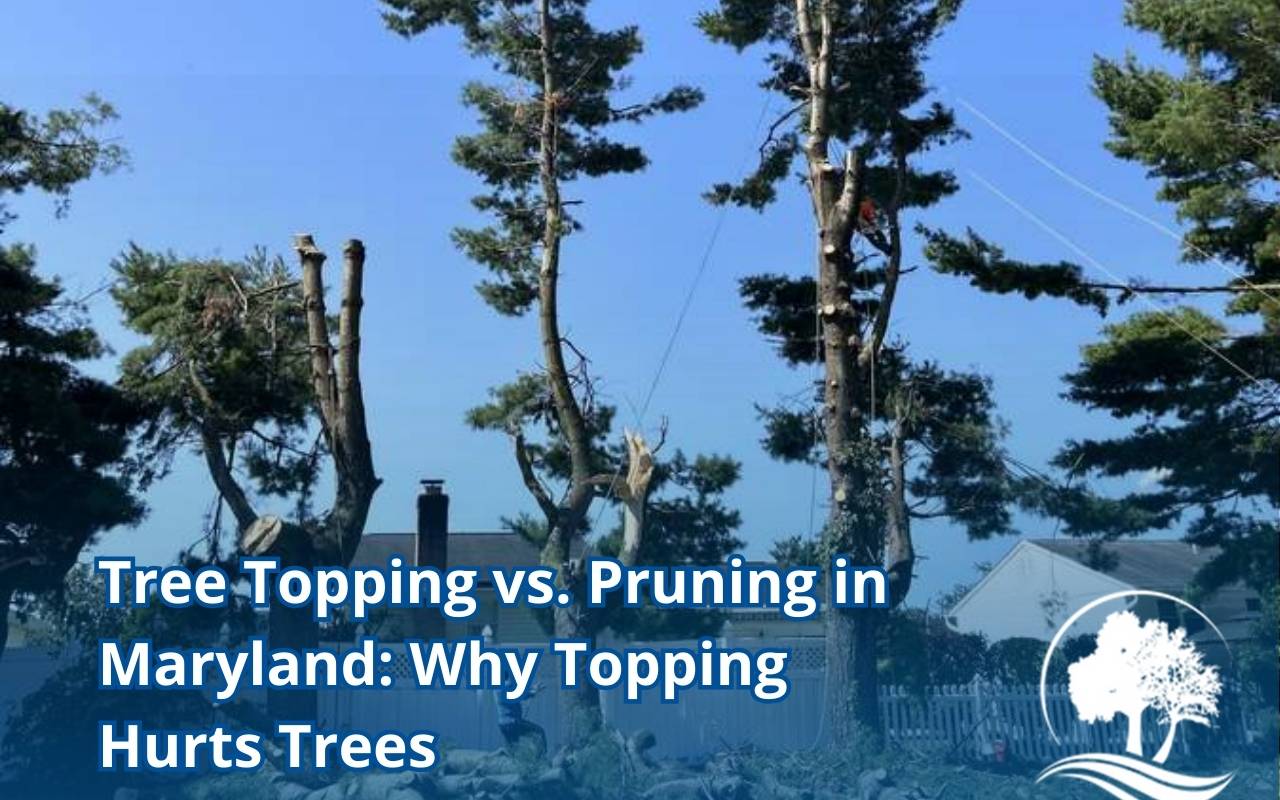
In Maryland’s scenic landscapes, tree care is essential. The debate of tree topping vs pruning Maryland highlights crucial differences between harmful and beneficial practices. While topping may reduce height quickly, it causes weak regrowth, disease risks, and even premature tree death. Pruning, however, strengthens structure and supports long-term health. By understanding these differences, property owners help protect not only individual trees but also Maryland’s environment. Learn how proper decisions today safeguard tomorrow’s green legacy.
The Importance of Tree Health
Healthy trees improve air quality, reduce erosion, and increase property value. They also provide shade, buffer winds, and support wildlife. The discussion around tree topping vs pruning Maryland emphasizes how care choices directly affect these benefits. Improper care reduces lifespan and endangers ecosystems. To avoid costly mistakes, schedule regular evaluations by certified arborists. Their guidance ensures trees remain strong, resilient, and beautiful.
- Shade homes in hot summers
- Filter pollutants from the air
- Support mental well-being through green spaces
For professional help, you can visit our Contact page.
Understanding Tree Topping
Tree topping removes upper branches indiscriminately, often leaving stubs. While intended to reduce size, it weakens the tree’s structure. The practice disregards natural growth patterns and creates large wounds vulnerable to decay. Within the debate of tree topping vs pruning Maryland, topping represents outdated and destructive methods. Property owners must understand that topping is never a safe alternative to proper pruning.
- Leaves unsafe stubs and wounds
- Causes unnatural canopy shapes
- Leads to high long-term costs
Risks Associated with Tree Topping
Topped trees sprout weak shoots prone to breakage during storms. Large wounds expose the tree to fungi and pests. Over time, energy reserves deplete, leading to reduced lifespan. These regrowth risks make topping unsafe. Compared with proper pruning, topping leads to unnecessary hazards and higher costs.
ANSI A300 Standards and Tree Care
ANSI A300 guidelines provide proven techniques for safe pruning. They ensure proper cut placement, reduce wounds, and maintain tree structure. Hiring ANSI-certified arborists guarantees compliance with best practices. Maryland homeowners should request proof of certification to protect their landscapes. Following these standards prevents topping mistakes and secures healthy regrowth.
Benefits of Pruning
Pruning removes diseased branches, improves airflow, and enhances structural integrity. It helps trees resist pests, storms, and decay. Aesthetic benefits include natural form and harmony within landscapes. Pruned trees increase property value and improve safety. To explore our expert pruning services, visit our Tree Pruning Annapolis MD page.
- Encourages strong structural growth
- Reduces risks of falling limbs
- Improves canopy balance and beauty
Techniques for Proper Tree Pruning
Proper pruning involves precise cuts, seasonal timing, and tool sanitation. Arborists follow methods like the three-cut technique to protect bark. Seasonal timing ensures faster wound healing. Sharp tools and safety equipment protect both arborist and tree. Following these techniques prevents disease and supports sustainable growth.
Promoting Tree Growth and Structural Integrity
Formative pruning strengthens young trees by creating balanced scaffolding branches. Regular maintenance keeps canopies even and reduces risks of co-dominant stems. Support systems like cabling assist weak trees in developing safely. Combined with mulching and watering, these methods enhance growth and lifespan. Strong structural care ensures stability against storms and environmental stressors.
Environmental Impact of Pruning vs. Topping
Pruning supports biodiversity, preserves habitat, and maintains soil health. It aligns with sustainable practices by reducing waste and maintaining canopy cover. Topping, however, disrupts ecosystems, increases decay, and generates more waste. The comparison of tree topping vs pruning Maryland demonstrates how thoughtful pruning protects both trees and local wildlife. Sustainable practices preserve Maryland’s environment for the future.
Frequently Asked Questions
Why is tree topping harmful?
Tree topping creates large wounds, weakens structure, and shortens lifespan. It often leads to hazardous regrowth.
How does pruning benefit trees?
Pruning promotes strong growth, improves airflow, and reduces risks from storms and pests.
When is the best time to prune?
Late winter or early spring is ideal. However, urgent risks may require immediate pruning.
What should I ask an arborist before hiring?
Request ANSI A300 certification, references, and proof of experience with Maryland species.
How do pruning practices impact the environment?
Pruning sustains ecosystems by maintaining canopy cover and supporting pollinators, unlike topping which disrupts balance.
Making Informed Decisions for Your Landscape
Assessing tree species, age, and health ensures effective care. Certified arborists provide tailored advice and follow Maryland regulations. Long-term contracts with regular inspections prevent costly emergencies. Avoiding topping and embracing pruning protects landscapes and investments. To explore more services, visit our Services page.
Safeguarding Maryland’s Trees for the Future
Maryland’s trees are living legacies that deserve respect. Choosing pruning over topping secures resilience and vibrancy. With education and professional care, property owners can preserve urban forests. Healthy trees today ensure shade, beauty, and environmental stability for future generations.