
Seasonal Tree Maintenance can feel confusing at first. However, as seasons shift, your trees change too. This guide explains what to do and when to do it. Therefore, you can protect curb appeal and prevent damage in your yard.
Even better, small steps add up fast. So, you can care for tall oaks or small dogwoods with more confidence.
Why seasonal care matters for your trees
Seasonal Tree Maintenance helps trees handle cold, heat, pests, and storms. For example, winter can crack bark, while spring can invite insects. Meanwhile, summer heat can dry roots, and fall winds can snap weak limbs. As a result, steady care supports health, safety, and a better-looking yard.
How to plan tree care for Baltimore homes
Baltimore weather changes quickly, so timing matters. Additionally, a simple plan reduces surprises after storms. If you want local guidance, explore tree care in Baltimore for season-by-season ideas. This is especially useful for Baltimore homeowners tree care routines that aim to balance safety and shade.
Create a winter checklist that keeps trees safer
A Winter tree maintenance checklist keeps you focused when cold hits. Also, it helps you spot risks before ice arrives. For more cold-season details, review tree care during winter and match tasks to your yard.
- Remove dead or broken limbs that could snap under snow.
- Check trunks for cracks, chewing, or scraped bark.
- Protect young trees with guards or burlap when winds bite.
- Gently brush heavy snow off branches to reduce splitting.
- Refresh mulch, but keep it off the trunk to avoid rot.
Seasonal Tree Maintenance in winter is mostly prevention. Therefore, small fixes now can reduce emergency calls later.
Spring checks that catch problems early
In spring, inspect bark, buds, and branch joints as sap flows again. Then, look for insects, odd spots, and weak unions. Also, check soil moisture because wet roots can rot, yet dry roots can stall growth. As a result, quick trimming or treatment can stop bigger issues.
Summer pruning that supports healthy growth
Summer work should be light and targeted. So, remove dead, crossing, or rubbing branches to improve airflow. Use clean tools and cut just outside the branch collar. If you need pruning guidance for your area, see tree pruning in Pikesville for practical examples.
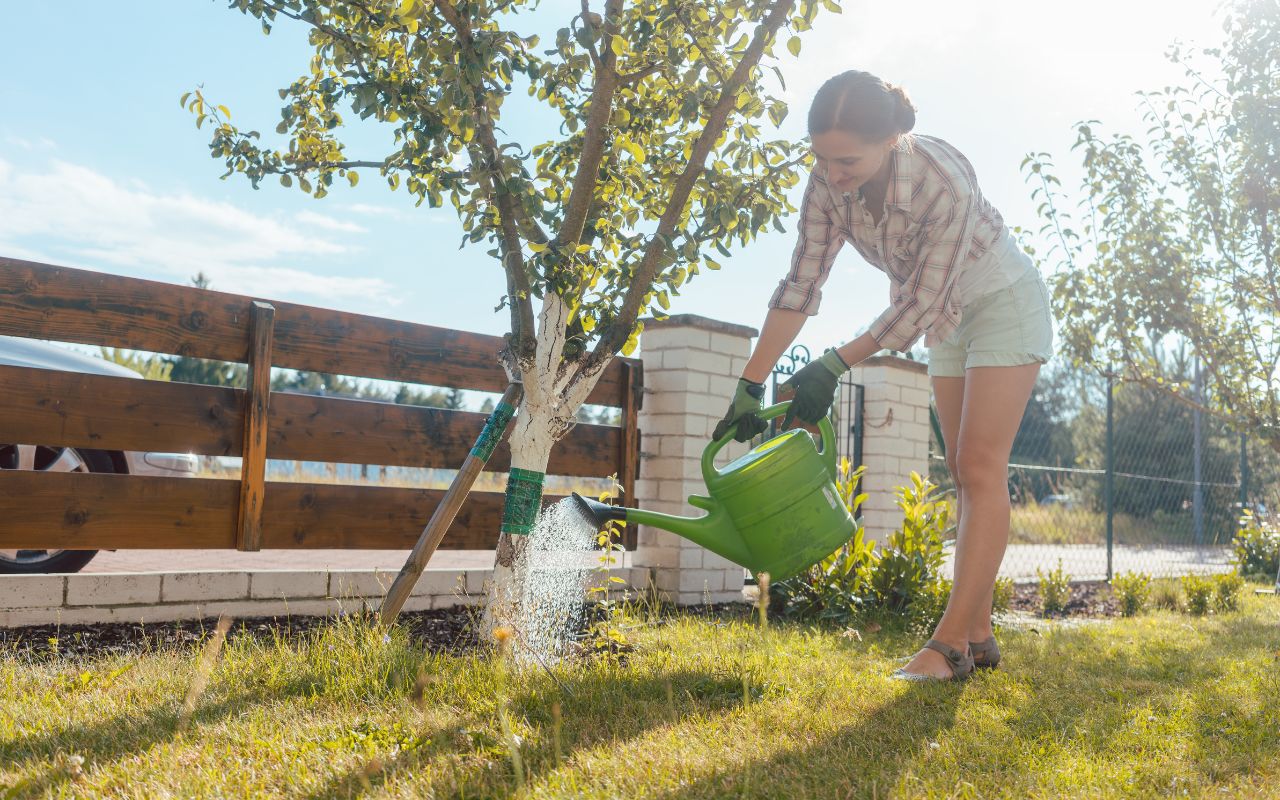
- Water deeply at the base during dry spells.
- Watch for pests and sticky residue on leaves and twigs.
- Avoid heavy cuts in peak heat to reduce stress.
Seasonal Tree Maintenance in summer works best in small sessions. Therefore, trees recover faster and keep a balanced canopy.
Fall steps that help trees enter winter strong
In fall, remove weak limbs before windy weather increases. Also, thin crowded areas to reduce moisture that can feed fungus. Add mulch to protect roots from early frosts, and use guards to deter rodents. However, avoid late, high-nitrogen feeding that may trigger tender new growth.
Common tree issues to watch across the year
Different seasons bring different warning signs. For example, spring may show pests, while humid summers can trigger leaf spots. Meanwhile, fall can reveal cankers, and winter may cause sunscald or bark splits. Keep notes on what you see and when you see it. As a result, patterns become easier to fix.
When it makes sense to bring in expert help
Some jobs are risky, especially near roofs or power lines. That is when Hiring tree service in winter can be a safer choice. Dream Tree Service LLC can handle high limbs, hazard cuts, and storm risks with proper equipment. If removal is needed, review tree removal in Towson to understand common reasons and safe steps.
Seasonal Tree Maintenance also includes knowing your limits. Therefore, schedule a site visit through the contact page when a tree looks unsafe or unpredictable.

Tools and gear that make routine work easier
The right tools help you work faster and avoid injuries. Additionally, clean cuts heal better and reduce disease spread. Keep tools sharp, and disinfect blades between trees.
- Hand pruners for small branches and fresh shoots.
- Loppers for thicker limbs that need extra leverage.
- Pruning saw for larger cuts without tearing bark.
- Gloves, eye protection, and a hard hat for safety.
- Mulch fork, soil probe, and tarp for clean-up.
Sustainable habits that support healthier trees
Eco-friendly care often improves long-term results. For example, use leaf compost or shredded bark to feed soil life. Meanwhile, plant species that fit local conditions to reduce watering needs. Dream Tree Service LLC can also suggest low-chemical options, such as targeted treatments and simple monitoring. As a result, you support trees and local wildlife.
Frequently Asked Questions
Is winter a good time to prune?
Often, yes. Dormant trees may handle light pruning well. However, avoid risky cuts during icy conditions.
How do I know if a branch is dangerous?
Look for cracks, hanging limbs, or branches over targets like roofs. If you feel unsure, choose professional help.
How much mulch should I use?
Use a thin, even layer around the root zone. Also, keep mulch away from the trunk to prevent decay.
What are common signs of pests?
Watch for sticky residue, curled leaves, tiny holes, or ants. Early action usually limits damage.
How often should I inspect my trees?
Check them each season and after big storms. Therefore, small problems stay small and cheaper to fix.

A simple year-round plan for a safer, better yard
With steady timing, you can protect shade, structure, and curb appeal. Seasonal Tree Maintenance works best when you plan winter prevention, spring checks, summer touch-ups, and fall prep. Dream Tree Service LLC can support tougher work when safety is a concern. As a result, your landscape stays strong through every season.