
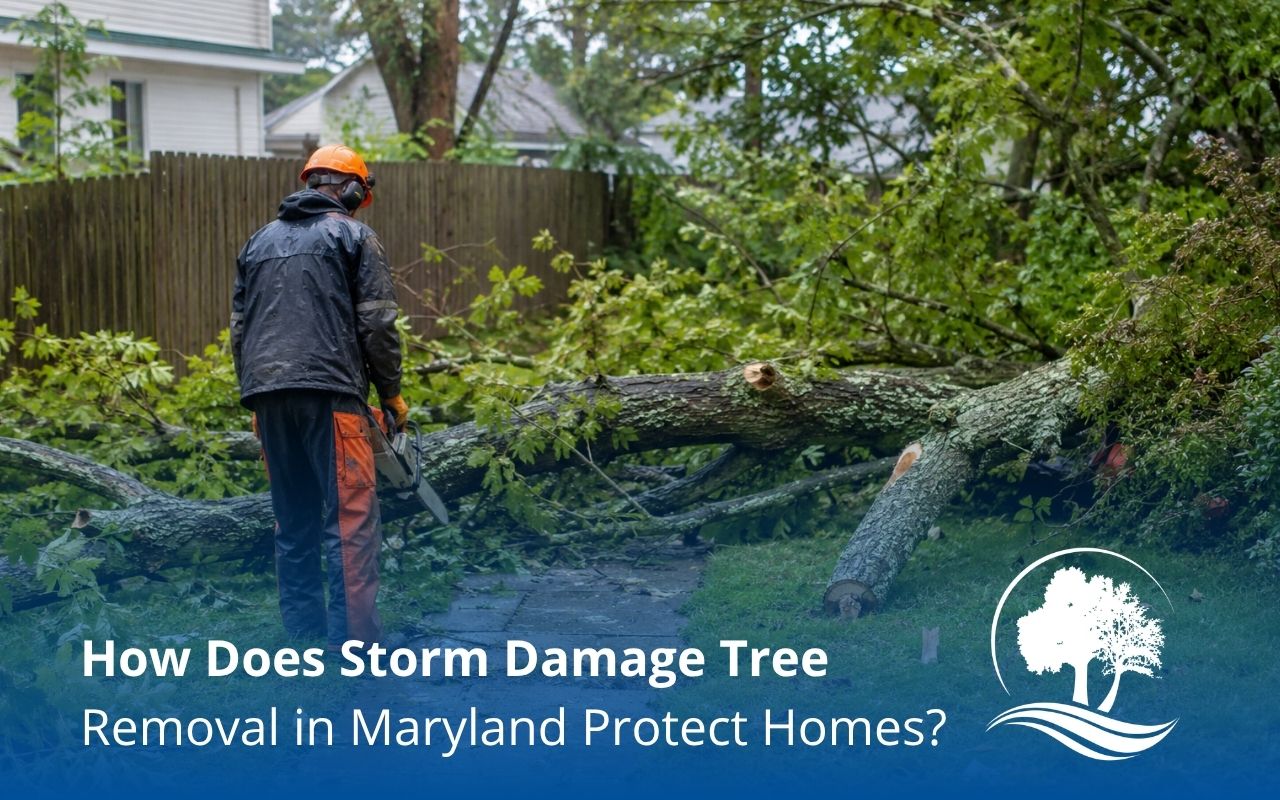
Storm damage can turn a Maryland property into an urgent service request fast. If a tree leans, splits, blocks access, or lands near your home, keep people away, take safe photos, and request professional help before cutting or moving heavy wood.
How Does Storm Damage Tree Removal in Maryland Protect Homes?
Storm damage tree removal in Maryland protects homes by clearing unsafe fallen, leaning, or cracked trees before they cause more damage. The service helps homeowners restore access, reduce injury risks, document visible damage, and move forward after hurricanes, heavy rain, strong wind, or winter storms.
After severe weather, tree removal includes checking unstable trunks, cutting fallen sections safely, clearing blocked areas, and reviewing nearby risks. Homeowners need this service when branches hit a roof, trees block driveways, or storm-weakened roots make the yard unsafe for family, pets, and visitors.
Urgent Storm Damage Tree Removal in Maryland Reduces Risks
Fast removal is needed when a storm-damaged tree threatens your home, driveway, fence, vehicle, or walkway. Storm damage tree removal in Maryland should be requested when the tree is leaning, cracked, hanging over a structure, or resting on your property.
At Dream Tree Service LLC, we first focus on what must be made safe before cleanup starts. We look at the tree position, nearby structures, wet ground, access limits, and visible hazards. This helps us plan safer removal instead of rushing into risky cutting.
The National Weather Service warns homeowners to watch for fallen objects, downed wires, and structural damage after hurricanes. That advice matters after Maryland storms because trees can hide hazards near roofs, fences, and driveways.
- Request help when a tree blocks access.
- Stay away from hanging limbs.
- Take photos from a safe place.
- Keep children and pets indoors.
- Avoid branches near power lines.
Fast service requests can prevent added damage when unstable trees are close to a house. If you need help now, use the contact our team page and share the tree location.
Visible Hurricane Tree Damage in MD Reveals Hazards
Hurricane tree damage in MD can appear as broken limbs, raised soil, split trunks, or sudden leaning. These signs can show that the tree has lost strength and may need removal before the next wind gust causes more damage.
When customers contact Dream Tree Service LLC, we ask what changed after the storm. Photos help us see whether the tree is near a roof, vehicle, fence, shed, or power line. We also ask whether the area is blocked or unsafe to enter.
Some storm damage is not obvious from the ground. A large branch can stay trapped above the yard and fall later. Roots may also shift under wet soil. Hidden tree damage should be checked before normal yard use.
- Fresh cracks in the trunk
- Soil lifted near the roots
- Branches hanging over the roof
- Tree leaning toward the home
- Large limbs stuck in the canopy
Clear Records Support Insurance Claim Tree Removal Decisions
Insurance claim tree removal is easier when homeowners save photos, notes, dates, and service records. These details help show what happened during the storm, where the tree fell, and which property areas were damaged.
With Dream Tree Service LLC, you can share safe photos before service so we understand the damage. We do not decide insurance coverage, but clear records can help you explain the situation to your provider. Each policy can treat storm damage differently.
The Maryland Insurance Administration advises homeowners to take photos or videos before and after mitigation efforts. It also recommends keeping receipts and avoiding unsafe temporary repairs. Good documentation can reduce claim confusion after a tree emergency.
- Photograph the fallen tree before removal.
- Record the storm date and time.
- Note roof, fence, shed, or vehicle damage.
- Keep receipts and service details.
- Contact your insurance provider early.
Professional Storm Cleanup in Maryland Restores Safe Access
Storm cleanup in Maryland helps homeowners reopen driveways, walkways, lawns, and outdoor areas after fallen limbs or trees block the property. Cleanup also helps reveal damage hidden under wet branches, leaves, and broken wood.
Our crew at Dream Tree Service LLC reviews the areas you need to use first. Driveways, doors, garages, gates, and walkways often matter most after a storm. Once access is safer, the remaining debris can be handled with less pressure.
Wet branches and leaves can create slippery areas around steps and entrances. Broken limbs may also hide sharp wood, damaged fencing, or uneven ground. Storm debris should be cleared in a controlled order so heavy wood does not roll or shift.
Safe Steps Guide Homeowners After Trees Hit Houses
When a tree fell on house in MD, homeowners should leave damaged rooms, avoid the roof, stay away from wires, and document damage only from a safe distance. The first service goal is safety, not speed.
A tree resting on a roof or wall can shift suddenly. Cutting one limb may change the weight of the entire tree. That movement can cause more roof damage, break windows, or injure anyone nearby.
Before work starts with Dream Tree Service LLC, we explain access concerns and removal risks. We look for pressure points, roof contact, nearby utilities, and safe cutting areas. Do not climb onto damaged roofs after a storm.
If a tree hit your home, leave the area and call your insurance provider. Then use the request service help page to describe the damage and share safe photos.
Careful Removal Planning Prevents Dangerous Cutting Mistakes
Storm-damaged trees are more dangerous than normal yard debris because fallen wood can be under pressure. A trunk can roll, a limb can spring back, and a leaning tree can fall in an unexpected direction.
Safe planning starts with the tree and the space around it. Nearby roofs, sheds, vehicles, fences, and power lines all affect the removal approach. Wet soil can also change how equipment and cut sections behave.
We check what can be reached safely, what needs controlled cutting, and where people should stay clear. Pressure in storm-damaged wood requires careful planning, especially when the tree is close to a structure.
Simple Contact Details Prepare Your Removal Request
A clear service request helps us understand the urgency before the visit. Homeowners should share the tree location, visible damage, nearby structures, blocked access, and whether the tree is touching a roof or wires.
When you contact us, we first ask what happened and where the tree is located. Safe photos are helpful because they show the size, position, and nearby hazards. We may also ask whether the tree blocks a driveway or entry point.
- Share the address and storm damage details.
- Send safe photos when possible.
- Explain blocked access or property damage.
- Keep people away from the damaged tree.
- Review removal concerns before work begins.
Clear details help us plan safer tree removal and explain what may happen next. For urgent storm cleanup in Maryland, use the send a service request page with photos and notes.
Frequently Asked Questions
How do I know if storm damage tree removal is urgent?
Storm damage tree removal is urgent when a tree leans toward a home, blocks access, rests on a structure, or has large hanging limbs. If the tree is near wires or damaged buildings, stay away and use the contact our team page for help.
What should I do first if a tree fell on my house?
Leave the damaged area, keep people away, avoid touching wires, and take photos only from a safe place. Then contact your insurance provider and trained tree removal help. A tree fell on house in MD should never be handled with unsafe cutting or roof climbing.
Can photos help with insurance claim tree removal?
Yes. Photos can support insurance claim tree removal by showing where the tree fell, what was damaged, and how the property looked before cleanup. Save photos, dates, service records, and provider messages. You can also request service guidance before removal begins.
Hurricane tree damage in MD can be hidden because roots may shift underground and limbs may break high in the canopy. Raised soil, fresh cracks, hanging branches, and sudden leaning can show that a tree needs attention even if it has not fallen.
When should I schedule storm cleanup in Maryland?
Schedule storm cleanup in Maryland after the area is safe to enter and visible hazards are identified. Cleanup can clear branches, restore access, and reveal deeper property damage. For safer next steps, schedule a cleanup request with clear photos and damage details.
Quick Action Brings Safer Yards After Severe Weather
Storm recovery is easier when safety, documentation, and cleanup happen in the right order. Keep people away from unstable trees, save useful records, and request service before cutting large wood. For storm damage tree removal in Maryland, visit the contact our team page and share what happened.