
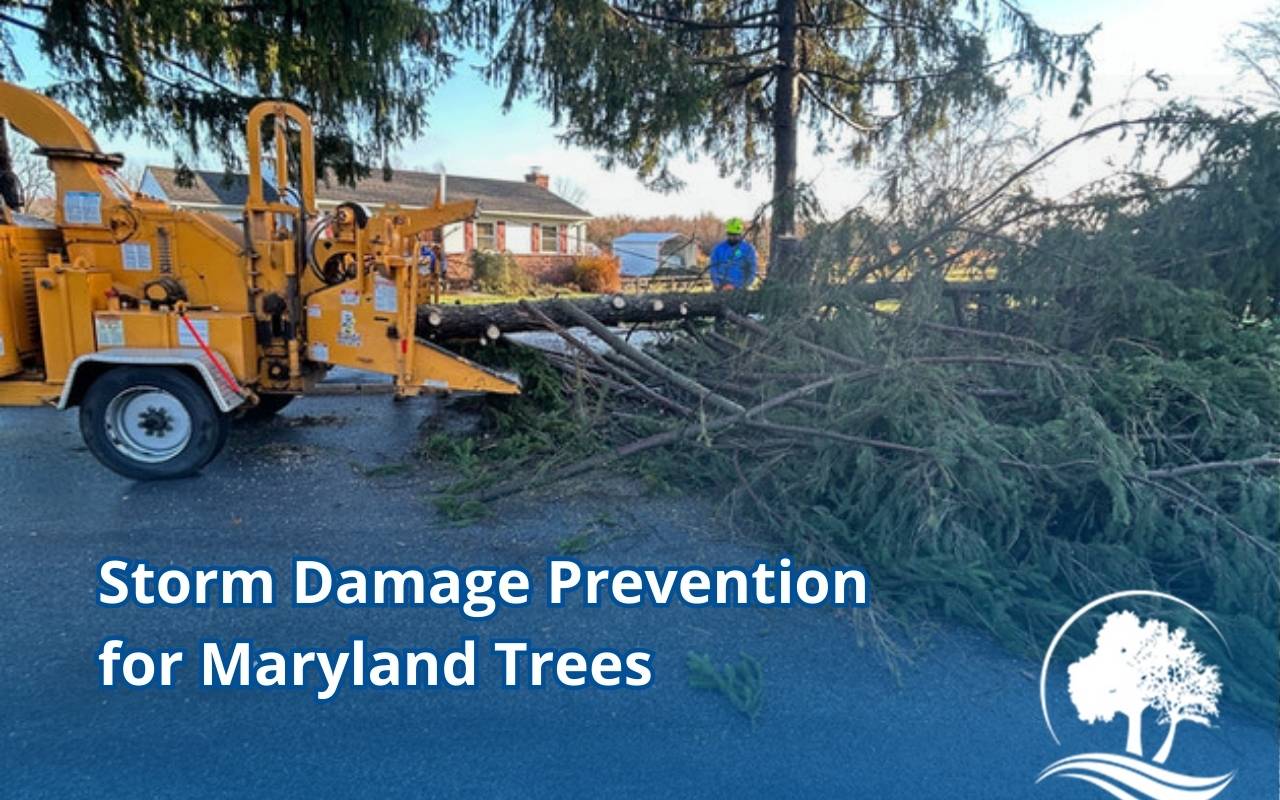
Every year, storms bring high winds, heavy rain, and unexpected damage across Maryland. Fall especially demands proactive care. Storm damage prevention starts with preparation, not emergency repairs. One of the smartest ways to protect your property is through tree care, including why tree pruning is important, canopy thinning, and bracing.
At Dream Tree Service LLC, we help homeowners in Baltimore and beyond strengthen trees, reduce risks, and safeguard outdoor spaces before storms hit.
Why Tree Pruning Matters for Storm Damage Prevention
- Reduces hazardous or dead branches that may fall on roofs or power lines.
- Improves overall tree health and root stability for stronger resistance.
- Protects siding, cars, and nearby structures from storm-related debris.
Dead, weak, or overgrown branches often cause severe accidents. By pruning them early, you reduce cleanup costs and improve safety. Learn more about pruning trees for growth and discover how balance and structure increase tree resilience during storms.
Fall Readiness: Canopy Thinning and Bracing Basics
- Canopy thinning reduces the sail effect by allowing wind to pass through branches.
- Tree bracing reinforces weak limbs and redistributes stress across stronger attachments.
- Combined strategies extend lifespan and minimize risk of catastrophic failure.
Selective canopy thinning should occur early in fall, after leaves start changing but before major winds. This technique improves airflow, strengthens structure, and prevents excessive stress. Bracing with cables or rods adds support where limbs are most vulnerable. A professional arborist ensures installation matches species and environment.
To stay on track, follow a tree pruning schedule designed for Maryland’s climate. This consistency keeps trees healthy, strong, and ready to withstand storm challenges.
How to Identify Trees at Risk
- Look for cracked trunks, leaning growth, or dense, uneven branches.
- Inspect root systems for rot, girdling, or shallow anchoring.
- Check for signs of decay, insect infestations, or fungus growth.
Species like silver maple, willow, and poplar are especially vulnerable due to shallow roots. Conducting a seasonal walk-through helps spot issues early. Document risks, prioritize urgent cases, and consult an arborist for specialized evaluation.
Emergency Preparedness and Post-Storm Recovery
Even with careful storm damage prevention, risk never disappears. Preparing an emergency plan protects your family, pets, and property. Maintain safety gear, evacuation contacts, and local arborist support. After storms, inspect trees carefully. Photograph damage, remove debris, and monitor stress symptoms. Quick recovery steps ensure stability and health.
FAQs – Storm Damage Prevention
How does tree pruning support storm damage prevention?
Pruning removes unstable branches and balances growth, making trees less likely to snap or uproot during severe weather.
When is the best time to prune before storms?
Late winter, early spring, or early fall are best. Each period gives trees time to strengthen before intense weather.
Can canopy thinning really reduce storm risks?
Yes, canopy thinning allows wind to pass through, reducing pressure and preventing branch breakage during heavy gusts.
Do all tree species need bracing?
No, bracing depends on species and structure. Large or shallow-rooted trees often benefit most from added support.
What if I skip seasonal maintenance?
Skipping routine care leads to broken limbs, uprooted trees, and higher risks of property damage that are avoidable.
Get Storm-Ready with Professional Tree Care
Investing in storm damage prevention protects both trees and property while adding long-term value to your home. At Dream Tree Service LLC, we provide expert pruning, bracing, removal, and stump grinding. Explore common pruning mistakes to avoid, or read about storm damage prevention methods for every season.
Storms are inevitable, but hazards are not. Keep your trees strong, safe, and healthy with the right strategies. Contact us for expert support and schedule a contact consultation today.