
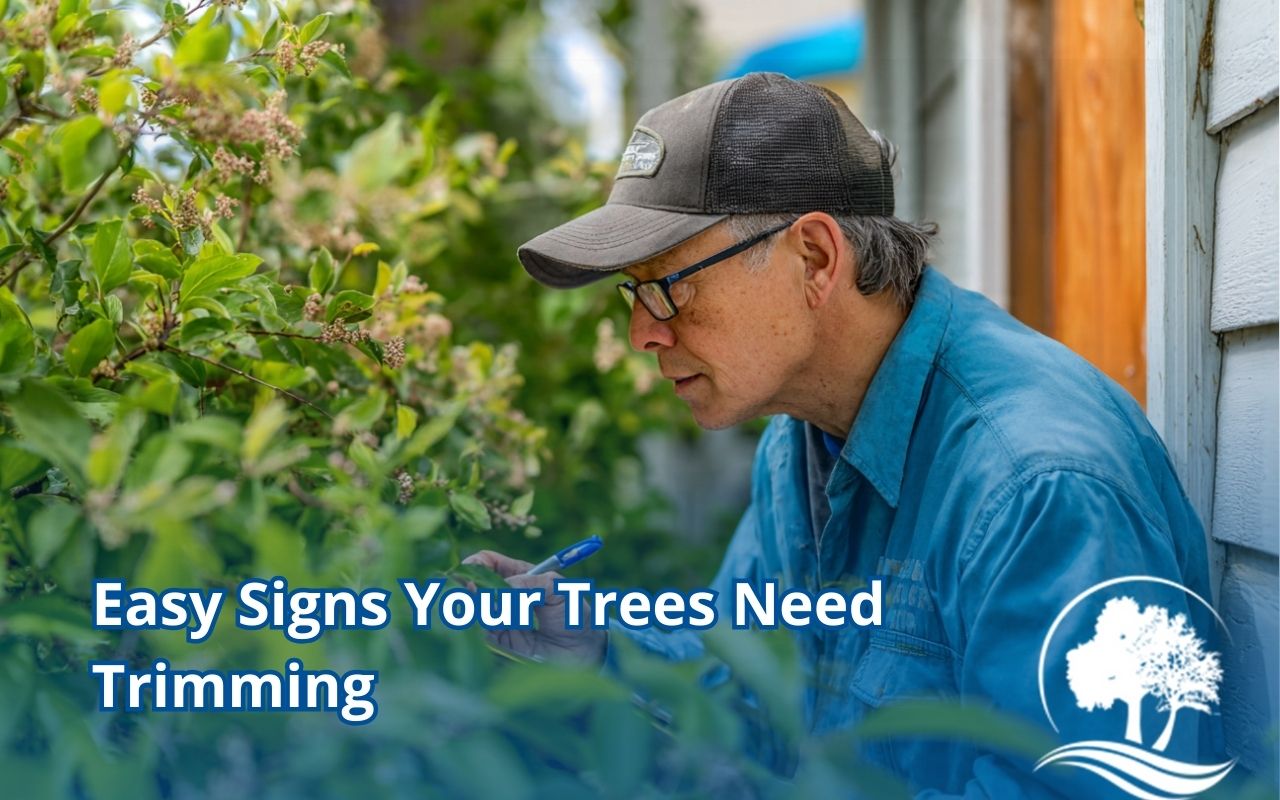
Trees in your yard can be more than pretty. However, they can turn into hazards without care. As seasons change, your trees change too. If you ignore them, limbs may reach power lines or weak branches may fall. Knowing the signs trees need trimming helps protect your tree’s health and everything nearby.
Also, small overgrown tree symptoms can grow into big problems fast. In addition, dangerous branch signs may sit right above your home. So, learning when to trim trees can help you avoid damage later. Below, Dream Tree Service LLC shares what to watch for.
Why Regular Tree Trimming Matters
Regular trimming supports healthy growth and better curb appeal. Over time, branches can get heavy or tangled. As a result, storms may snap limbs more easily. With smart trimming, Dream Tree Service LLC helps build stronger branch structure, so trees handle wind and heavy rain better.
- Improves airflow and sunlight in the canopy
- Helps lower pest and disease pressure
- Reduces broken limbs during storms
- Keeps growth balanced near homes and walkways
In addition, routine care can stop overgrown tree symptoms before they get worse. Without trimming, limbs may push into roofs or paths. Therefore, following a schedule makes it easier to know when to trim trees each year.
How to Check Tree Health With a Quick Look
A simple walkaround can reveal a lot. For example, look for thinning leaves, a lopsided canopy, or loose-looking bark. These are often signs trees need trimming because the tree may be stressed by wind, disease, or crowding. Dream Tree Service LLC recommends short visual checks every season.
Next, scan branches at different heights. Broken tips, hanging limbs, or weak “V” joints can point to risk. When you spot issues early, you can remove hazards without heavy cutting. So, you keep the tree safer and still protect its shape.
Common Overgrown Tree Clues Around Your Home
Overgrowth is one of the clearest signs trees need trimming. If branches stretch too far, they can block sun from grass and shrubs. As a result, you may see thin turf and shady patches. Dream Tree Service LLC often sees this when trees have gone several seasons without care.
- Limbs shading out plants and grass below
- Branches reaching roofs, gutters, or windows
- Growth crowding walkways, driveways, or patios
- Limbs tangling with other trees and rubbing
Most importantly, branches near power lines or close to the roof can be dangerous branch signs. Therefore, trimming those areas early helps keep the tree balanced and your yard safer.
Dead or Diseased Branches to Remove Fast
Deadwood is a major warning sign. Look for brittle limbs, dark bark, or branches that snap easily. Also, if a limb has no buds or leaves during the growing season, it is likely dead. These signs trees need trimming should be handled quickly to reduce decay risks.
- Dead limbs with no leaves in season
- Cracked branches or hanging pieces
- Fungal growth on bark or near wounds
- Oozing sap, cankers, or soft, rotting spots
In addition, disease can spread from one limb to another. So, removing problem areas after you spot dangerous branch signs can protect healthier parts of the tree. If you are unsure, Dream Tree Service LLC can assess the safest cut plan.
How Growth Patterns Affect Trimming Timing
Each species grows in its own way. Some shoot up fast, while others spread wide. By watching growth habits, you can decide when to trim trees without hurting the natural look. Dream Tree Service LLC often trims with the tree’s shape in mind, so it stays strong and well formed.
Also, spring and summer growth can be quick. New shoots can turn into overgrown tree symptoms within months. Therefore, matching cuts to growth cycles can help the tree heal well and stay in control.
What Changes How Often You Should Trim
Age, species, and setting all matter. Young trees often need light work more often to build structure. Mature trees usually need less frequent work, yet they may need more careful cuts to remove crossing or weak limbs. That is why Dream Tree Service LLC sets schedules based on the tree’s real needs.
Weather and location matter too. Windy areas and heavy snow can stress branches. Likewise, urban trees may need extra care to avoid sidewalks and buildings. As a result, your schedule may shift year to year.
Risks of Waiting Too Long
Delaying care can turn small issues into big hazards. Overgrown limbs can snap and fall. As a result, they may damage cars, fences, roofs, or injure pets and people. Often, repair costs are far higher than routine trimming.
Also, health can decline when disease spreads. Pests and fungi can expand into the canopy. In extreme cases, the tree may die or become unsafe and need removal. If you suspect that risk, you can review the warning signals in Signs your tree may need removal.
Hiring a Tree Trimming Pro
A trained arborist can spot issues you may miss. Professionals can identify dangerous branch signs and hidden overgrowth risks. They also use proper cuts that reduce stress and limit disease entry. Dream Tree Service LLC follows safe methods to protect both the tree and your property.
Before hiring, check insurance and experience. Then, ask for work examples and a clear plan. If you want to understand the basics first, explore What tree trimming means and why it matters.
DIY Trimming Tips for Small Branches
If you do small work yourself, start with the right tools and safety gear. Use pruning shears for thin limbs and a saw for slightly larger cuts. Also, cut just outside the branch collar to help healing. Dream Tree Service LLC suggests staying conservative, especially if you are learning.
- Wear eye protection, gloves, and sturdy shoes
- Make clean cuts just outside the branch collar
- Use a slight angle so water sheds off the cut
- Start by thinning crowded areas, then remove deadwood
However, if a limb is large or over a roof, call a pro. You can also avoid common errors by reading Common pruning mistakes to avoid. In addition, if you are comparing services, see Tree pruning vs trimming explained.
Frequently Asked Questions
What are the most common signs trees need trimming?
Look for branches over roofs, crowded canopies, and dead limbs. Also, watch for rubbing branches and uneven shape. These are often signs trees need trimming, especially after stormy seasons.
How do overgrown tree symptoms affect my yard?
Overgrowth can block sunlight, weaken structure, and raise storm risk. It can also crowd walkways and gutters. Therefore, addressing overgrown tree symptoms early keeps the tree healthier.
What dangerous branch signs should I take seriously?
Hanging limbs, cracks, weak “V” joints, and deadwood are key. Branches near power lines are also urgent. If you see dangerous branch signs, plan trimming quickly.
When to trim trees during the year?
Timing depends on species and goals. However, many homeowners plan work around seasonal growth and storm cycles. If you need local guidance, Dream Tree Service LLC can help you decide when to trim trees.
Should I hire a pro for trimming in Perry Hall?
If branches are large, high, or near structures, yes. A pro can reduce risk and protect tree health. If you are in the area, learn more in Tree pruning services in Perry Hall, MD.
Keep Your Trees Safe and Looking Their Best
Watching for signs trees need trimming helps you act before problems grow. Overgrown tree symptoms can be fixed early, and dangerous branch signs can be removed before they fall. So, your yard stays safer and your trees stay stronger.
Whether you do small cuts yourself or hire help, steady care makes a difference. If you want a seasonal plan from Dream Tree Service LLC, reach out through the Contact Dream Tree Service LLC for tree trimming help page.