
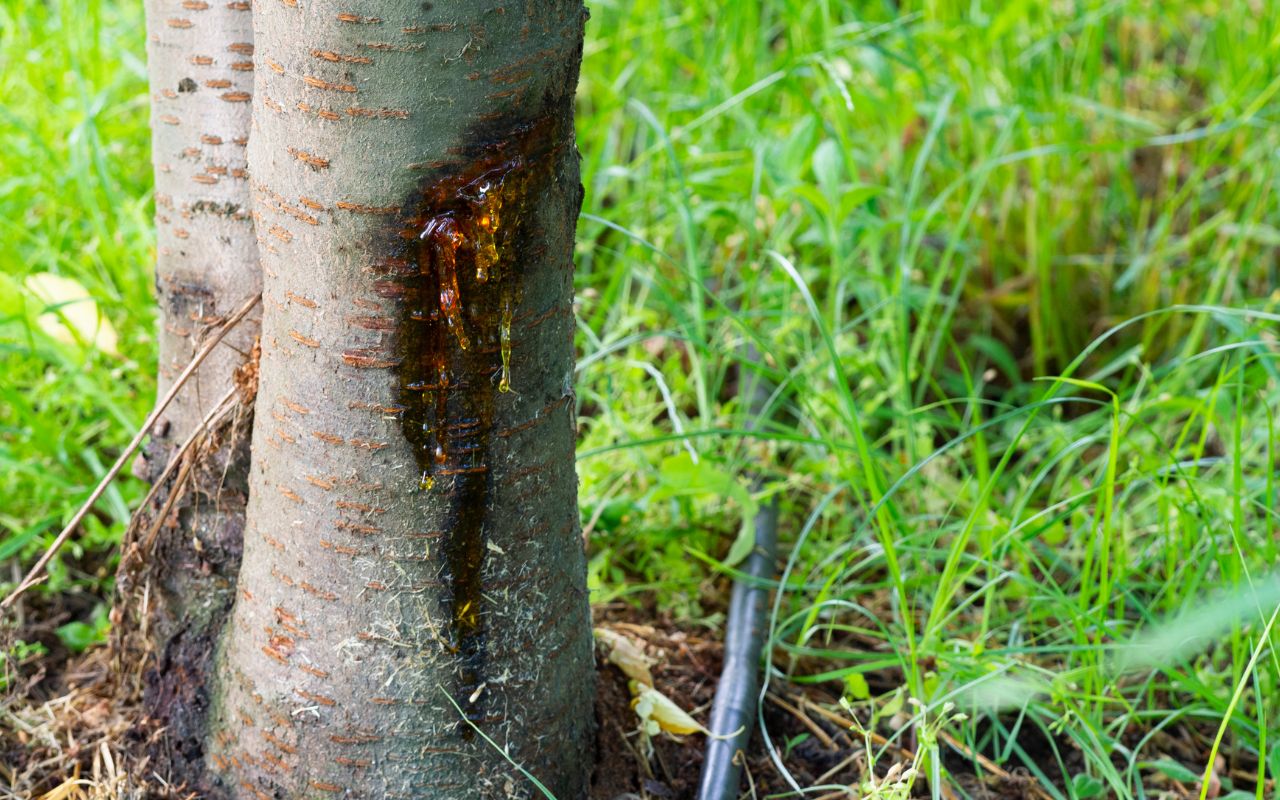
Tree diseases can weaken or even kill trees if left untreated. Recognizing signs of disease in trees early helps you intervene before issues escalate. Knowing what to look for will help you maintain tree health and prevent diseases from spreading to other parts of your landscape.
Key Signs of Disease in Trees
Leaf Discoloration and Abnormal Patterns
Leaves are often the first to reveal signs of disease. Look for changes in color or unusual patterns that differ from typical seasonal changes.
- Yellow or brown spots: Patches on leaves can indicate fungal infections, such as leaf spot disease.
- Premature leaf drop: When leaves fall before the season, it may signal disease-related stress.
- Mildew and white powder: A white powdery film on leaves is often caused by powdery mildew, a common tree disease.
Monitoring leaves closely will help you identify diseases early, making treatment more manageable.
Bark Abnormalities and Discoloration
The bark can also reveal disease, as many infections affect the outer layers first.
- Dark or sunken areas: These spots, often called cankers, appear when fungal or bacterial infections damage the bark.
- Loose or peeling bark: If the bark is coming off in large sections, it may indicate severe disease or decay.
- Discoloration: Darkened bark or streaks may signal infections that disrupt the tree’s internal processes.
Changes in bark appearance or texture often point to significant health concerns that may require professional intervention.
Presence of Fungi or Mushrooms
Fungi on or near a tree is a major sign of disease, as many fungi feed on decaying wood or weakened trees.
- Mushrooms at the base: These can suggest root rot or other internal decay affecting the structural stability.
- Bracket fungi on trunks: Shelf-like fungi growing from the trunk indicate heart rot, a disease that can hollow out trees from within.
- Discolored fungal growths: Unusual fungal growth may also suggest that the tree is weakened and needs attention.
The presence of fungi is a visible and urgent sign of disease that often requires specialized care.
Structural Weakness and Branch Dieback
Tree diseases can disrupt nutrient flow, resulting in weak branches and noticeable dieback.
- Dead or drooping branches: Branches that suddenly die or droop can indicate internal infection or root disease.
- Cracks and fractures: Weak branches with fractures are vulnerable to breaking, especially in high winds or storms.
- Wilting leaves and shoots: Wilting can occur from bacterial infections affecting the tree’s vascular system, leading to dehydration and stress.
Structural issues due to disease can increase safety hazards, especially for trees in high-traffic areas.
Contact Us for Tree Health Solutions
If you notice any of these disease signs, timely intervention is critical. Call us at (443) 400-6964 for professional diagnosis and treatment. Our Baltimore team offers the expertise needed to restore your trees’ health and resilience.