
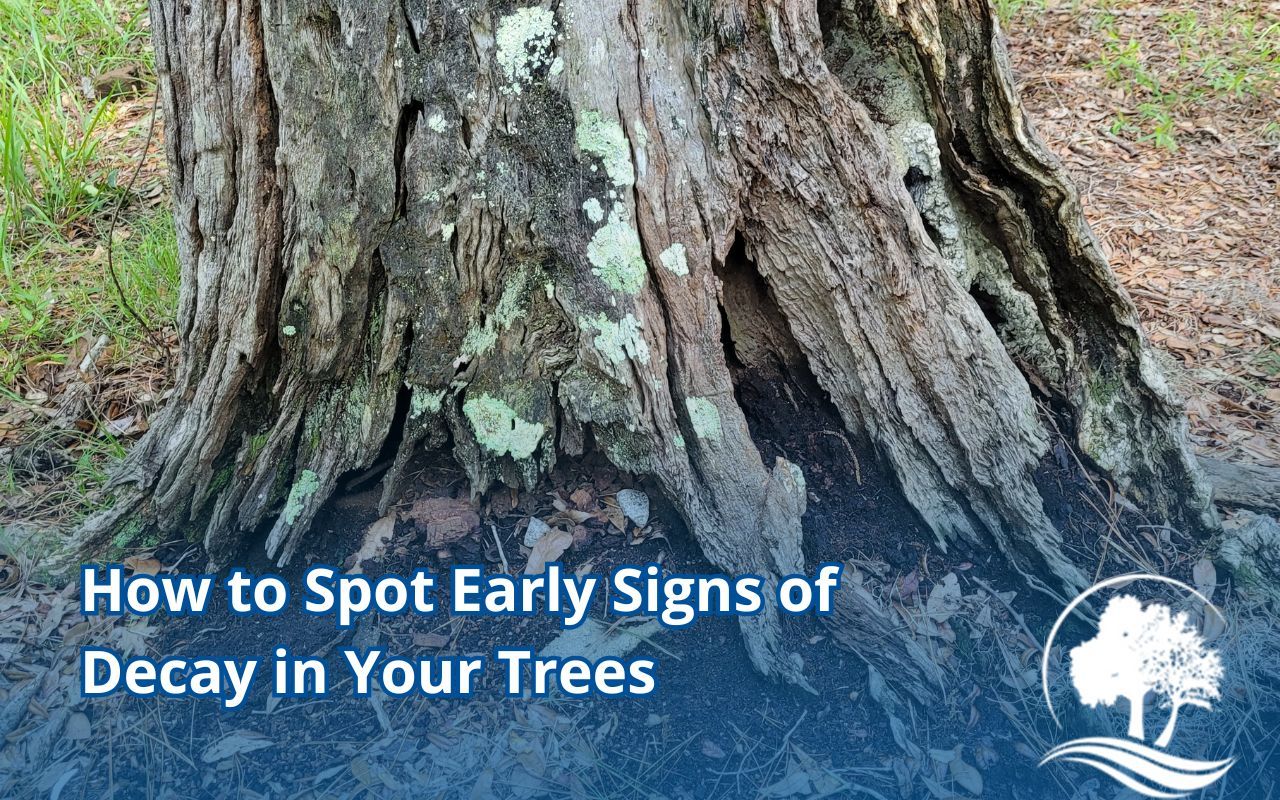
Trees add beauty and shade to any yard, but they can also pose risks when their health begins to decline. One of the most serious issues to watch for is signs of decay. From soft wood to fungal growth, tree decay often starts subtly, yet it can quickly lead to safety hazards or structural failure.
At Dream Tree Service LLC, we help homeowners across Baltimore and the state of Maryland recognize early symptoms and take action before it’s too late. Preventive maintenance is key to keeping your landscape both healthy and safe.
What Causes Tree Decay?
Root Damage, Fungi, and Poor Pruning
Decay often begins where a tree has been injured, whether through poor pruning, pest activity, storm damage, or root issues. Openings in the bark allow moisture and fungi to invade, breaking down the internal structure over time.
This makes regular tree care and assessment critical. Learn how to assess tree damage to catch problems before they spread internally.
Common Signs of Decay You Shouldn’t Ignore
Tree decay may start deep within, but visible symptoms usually follow. Here’s what to watch for:
- Mushrooms or fungal growth near the base
- Soft, spongy, or hollow areas in the trunk
- Bark peeling or falling off in large sections
- Cracks or cavities in the wood
- A sudden increase in dead limbs
These are strong tree health indicators that something is going wrong below the surface.
Why Tree Decay Is Dangerous
Weak Structure, High Risk
As decay spreads, the internal wood becomes weaker. This reduces the tree’s ability to support itself, especially during storms or high winds. Trees with significant internal decay can collapse without warning, damaging homes, vehicles, or even injuring people.
Our team provides detailed inspections to evaluate the risk. Tree inspection tips help you stay proactive about your trees’ health.
When Tree Decay Requires Removal
Know the Limits of Recovery
In some cases, early decay can be managed with pruning, soil care, or targeted treatment. But when over 30–50% of the trunk or root system is affected, the tree likely can’t be saved.
Signs your tree needs removal include deep cavities, heavy fungal presence, and trunk softening. We can help you make the right call before a dangerous situation unfolds.
FAQs – Signs of Tree Decay and Inspection
Are mushrooms at the base of a tree always bad?
Yes, usually. Fungi at the base of a tree often indicate internal rot or dead wood inside the trunk or roots.
Can a decaying tree be saved?
Sometimes. If decay is caught early and isolated, corrective pruning or treatments may help. Advanced decay usually requires removal.
How can I check for decay without cutting the tree?
Look for visible signs like hollow sounds when tapped, soft bark, or large areas of fungus. For an accurate diagnosis, schedule a professional inspection.
See Signs of Decay? Act Fast with a Tree Inspection
Signs of decay mean your tree may be in decline, and waiting too long can be dangerous. At Dream Tree Service LLC, we offer professional inspections and tree care solutions across Baltimore and throughout Maryland. Whether your tree can be treated or needs to be removed, we’ll help you do it safely.
Schedule your inspection today and protect your property with preventive tree maintenance.