
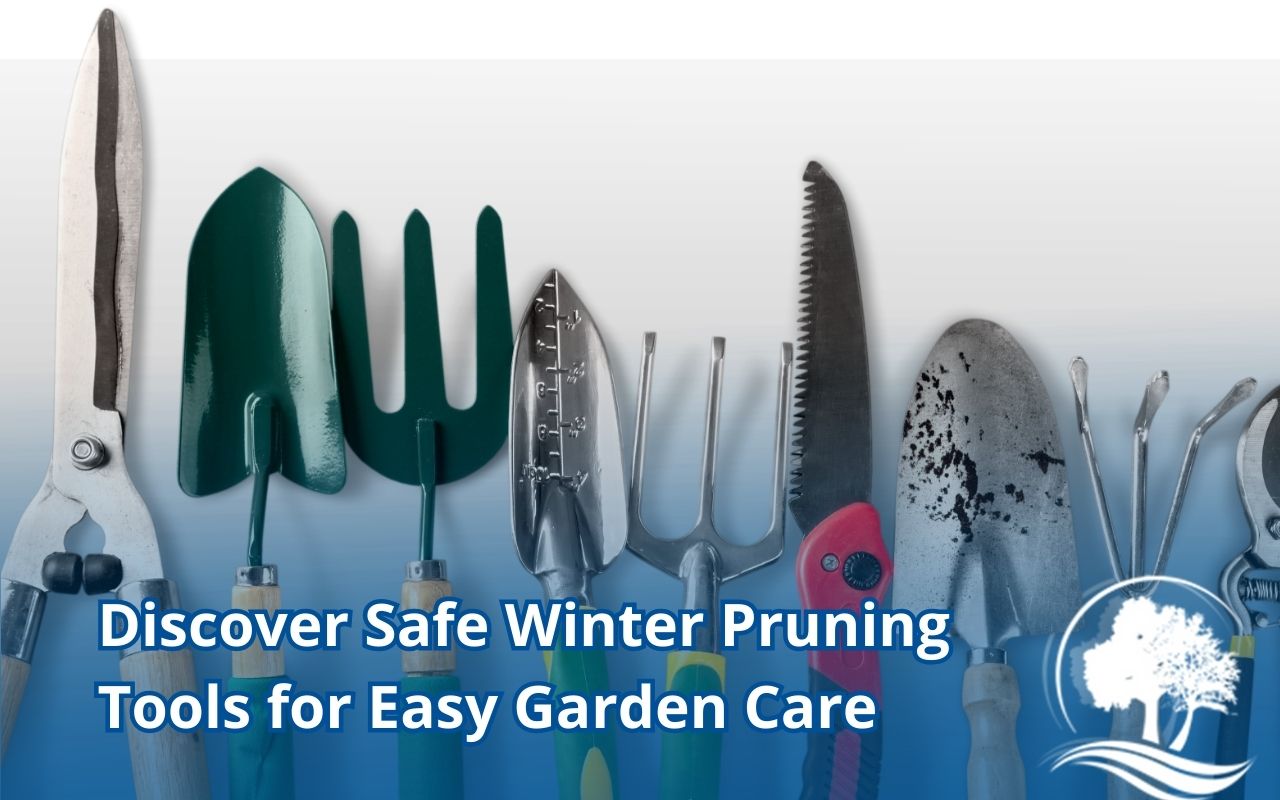
Safe Winter Pruning Tools help you get your garden ready for the colder months. As winter approaches, it becomes the ideal time to prepare your plants for cold weather and protect next spring’s growth.
This season also offers a chance to refresh your garden with a careful trim. With the right tools, you avoid plant damage and personal injuries. Our guide explains how to choose pruning tools and shares helpful winter pruning tool maintenance tips that keep your garden healthy and your work enjoyable.
Importance of Using Safe Winter Pruning Tools
Winter brings special challenges to garden care. As temperatures drop, branches become stiff and brittle. If you cut them with poor tools, they may splinter and harm both your plants and you.
When you rely on well-made tools, you protect delicate tissues and also lower the chance of slips and cuts on icy ground. Clean cuts help plants heal faster and stay stronger when spring returns.
- Reduce the risk of shattered branches and ragged wounds.
- Protect yourself from cuts, strains, and falls in icy areas.
- Encourage faster healing and lower disease risk on pruned limbs.
- Work more efficiently, even when wood feels hard and frozen.
Types of Pruning Tools Suitable for Winter
There are a few essential pruning tools for winter that every gardener should know. Hand shears, loppers, and pruning saws each handle different branch sizes. Together, they cover most shrubs and trees in your yard.
When you learn how to choose pruning tools by branch thickness, you avoid forcing or twisting your hands. This approach keeps plants healthier and makes pruning days feel easier and safer.
- Hand shears: Best for thin stems and small twigs.
- Loppers: Ideal for medium branches just out of reach.
- Pruning saws: Designed for thick, woody limbs.
Choosing the Right Pruning Shears
Pruning shears, or hand pruners, are your go-to tool for small cuts. Look for sharp, rust-resistant blades that stay clean and smooth. Bypass shears, which cut like scissors, are kinder to live wood and help plants close wounds quickly.
Additionally, ergonomic handles lower hand strain during longer sessions in the cold. Some models use a spring to reopen the blades, which reduces effort. Non-slip grips are helpful when your gloves are damp or sticky with sap, so you stay in control with every cut.
Selecting the Best Loppers for Winter Pruning
Loppers extend your reach and increase cutting power, which is very useful on thicker branches. Telescoping handles let you adjust the length to match your height or reach higher limbs without always needing a ladder.
Look for tough steel blades with a sharp edge for smooth cuts. Moreover, compound-action jaws multiply your strength so you can slice through colder, harder wood with less effort. Cushioned, non-slip grips keep your hands comfortable and steady, even on frosty days.
Key Features of Winter Pruning Saws
Pruning saws are best when branches are thicker than two inches. A narrow, curved blade clears sawdust quickly and glides through wet or icy wood. A folding design also keeps the blade safe and makes transport easy.
Teeth size matters as well. Coarse teeth remove wood quickly but can leave rough edges, while finer teeth create smoother cuts. Rust-resistant coatings help the blade stay sharp despite moisture. A comfortable handle with strong grip support keeps your hand steady through longer strokes.
Factors to Consider When Buying Pruning Tools for Winter
When you shop for Safe Winter Pruning Tools, focus on durability and overall build quality. Stainless or high-carbon steel blades usually hold an edge longer and resist corrosion in damp, cold air.
Weight and balance matter too. Heavy tools can tire your arms, while very light ones might feel weak. Therefore, test the grip and movement when possible. Reading reviews and checking warranties also helps you find brands that stand behind their gear and give you peace of mind.
- Choose sturdy blade materials that resist rust and wear.
- Pick tools with balanced weight and comfortable grips.
- Look for strong joints and secure locking systems.
- Review warranties and feedback before you buy.
Maintenance Tips for Winter Pruning Tools
Good care keeps your tools working smoothly all winter. After each pruning session, wipe blades with a damp cloth to remove sap and debris. Then dry them completely, because lingering moisture leads quickly to rust.
Next, apply a light coat of oil to cutting edges and moving parts. Store tools in a dry space, preferably hanging or in a case, so edges do not bump and dull. Simple habits like these support long-term performance and safer work.
- Clean blades after every use to remove sap.
- Dry metal parts thoroughly before storing.
- Oil joints and edges lightly to prevent rust.
- Hang or case tools in a dry, sheltered area.
Regular sharpening is a key part of winter pruning tool maintenance tips. Use a sharpening stone or file to refresh blade edges. Also check screws, springs, and washers, tightening or replacing them as needed so your tools stay safe and smooth.
Ensuring Safety While Using Winter Pruning Tools
Cold weather and icy ground conditions increase the chance of slips and accidents. Wear warm, thick gloves that still allow good grip. Sturdy boots with non-slip soles give you better footing. Before you start, clear snow or ice from the area where you will work.
Always prune at shoulder height or lower so you keep strong control of the tool. If you need more height, use a stable ladder and ask someone to hold it for extra safety. Keep pets and family members at a safe distance. Together with Safe Winter Pruning Tools, these habits reduce accidents and stress outdoors.
Benefits of Proper Winter Pruning Tool Care
Well-maintained tools cut more cleanly and also last longer, saving you from frequent replacements. Sharp, rust-free blades make smooth cuts that heal faster. This reduces stress on your plants and leads to stronger growth when warmer weather arrives.
Additionally, routine care helps you avoid sudden tool failures that can cause injuries or slow your work. When you follow practical winter pruning tool maintenance tips, you feel more confident outdoors and enjoy each pruning session instead of dreading it.
Frequently Asked Questions
What are the most essential pruning tools for winter?
The most essential pruning tools for winter include hand shears for small stems, loppers for medium branches, and pruning saws for thicker limbs. Together, these tools let you handle most shrubs and trees. You can complete many tasks without forcing cuts or damaging plants, even on colder days.
How can I tell if my pruning tools are safe to use in cold weather?
First, check that blades are sharp, free of rust, and firmly attached. Next, confirm that handles show no cracks and grips are not loose or slippery. Moving parts should open and close smoothly. If anything feels unstable or stiff, repair or replace the tool before working outside in winter.
How often should I sharpen my pruning tools in winter?
As a general rule, sharpen your tools at the start of the season and then touch up edges after heavy use. If cuts begin to look crushed instead of clean, it is time to sharpen again. Regular sharpening keeps your tools safer to use and protects your plants from torn wounds.
Can I use the same pruning tools in winter and summer?
Yes, you can use the same tools for different seasons if you care for them well. Clean, dry, and oil them after every session. Store them in a dry place between seasons. However, you might still add a few tools with better grip or longer handles to make winter work more comfortable.
When should I call a professional instead of pruning on my own?
Consider calling a professional when branches are large, hang over roofs, or grow near power lines. Very tall trees or damaged limbs can be risky to handle alone. In those cases, scheduling expert help keeps you safe and protects your property from accidents during winter pruning.
Embrace Winter Gardening with the Right Tools
Choosing the best Safe Winter Pruning Tools and caring for them well makes winter gardening feel simple instead of stressful. With sharp shears, strong loppers, and a reliable saw, you can shape your plants and prepare them for a healthy spring.
If a project feels too big or risky, consider tree pruning in Towson, MD or expert pruning in Perry Hall from local specialists. You can also explore full tree care services and learn more about the team on the About page. When you are ready to plan safer winter work, contact our tree care team and get guidance tailored to your yard.