
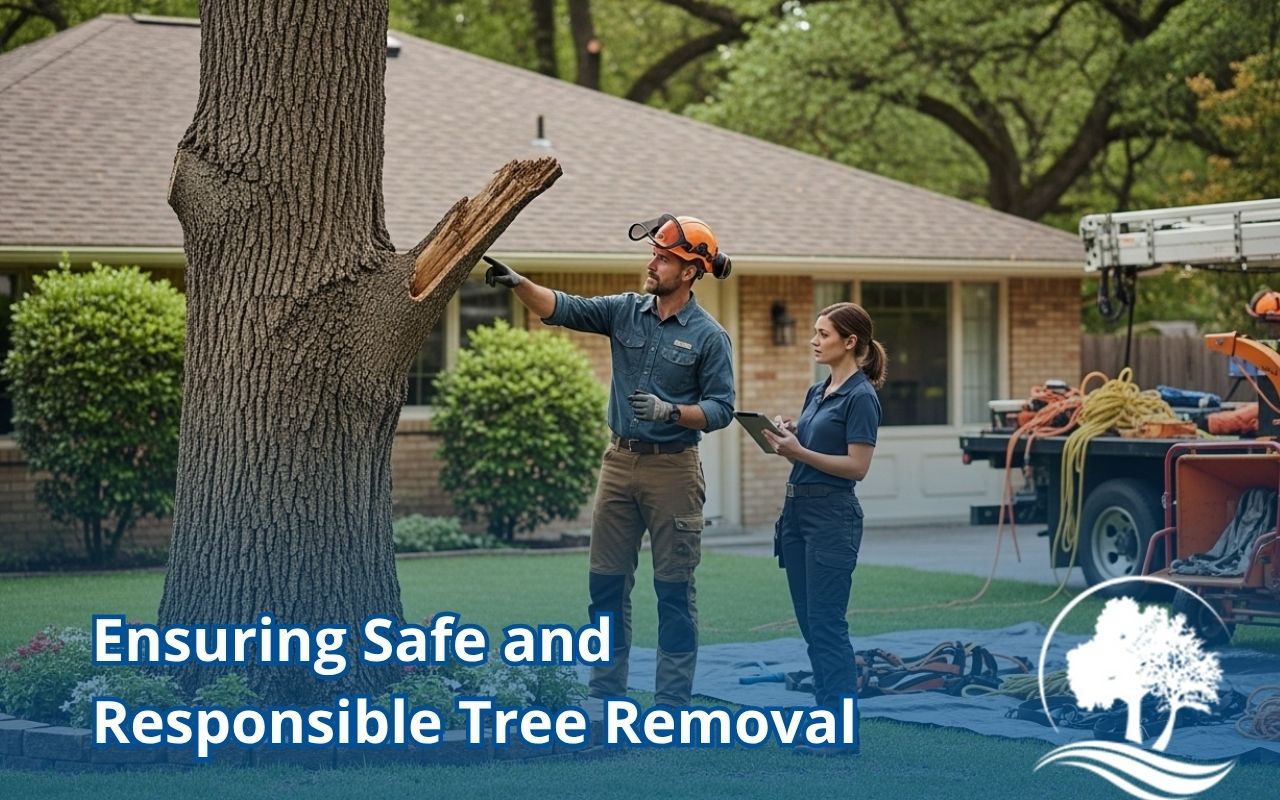
Trees bring shade, beauty, and value to a yard. Still, when damage or decay appears, safe choices matter. At Dream Tree Service LLC, we believe Safe and Responsible Tree Removal starts with clear signs, careful planning, and respect for your property.
Knowing signs your tree needs removal can help you act before a storm, fallen limb, or root problem causes bigger damage. This guide explains what to watch for, when to remove a tree, and how to handle the process with care.
Understanding Risks Around Damaged Yard Trees
A weak tree can put your home, driveway, fence, and family at risk. Cracks in the trunk, dead limbs, and leaning growth can all point to trouble. In many cases, Safe and Responsible Tree Removal is the best way to prevent sudden hazards.
Even so, not every problem means full removal. Some trees only need trimming or support. Looking at the full condition of the tree helps you make a smarter choice and avoid unnecessary work.
How to Evaluate Tree Health Clearly
Start with the trunk, canopy, and root area. A close check can reveal whether the tree is healthy, declining, or dangerous. When several problems appear together, removal may be the safest path.
- Look for cracks, splits, or hollow areas in the trunk.
- Check for dead branches, thin leaves, or weak new growth.
- Inspect the base for fungi, soft wood, or raised soil.
- Notice whether the tree is leaning more than before.
These warning signs often build slowly. As a result, regular checks can help you catch issues early and decide whether pruning, treatment, or Safe and Responsible Tree Removal makes the most sense.
Common Signs Your Tree Needs Removal
Some warning signs are easy to miss until the risk grows. However, a tree often shows clear clues before it fails. Paying attention early can protect your home and reduce surprise costs later.
- Large dead limbs hanging over the house or driveway.
- Fungal growth around the base of the trunk.
- Deep trunk cracks or missing bark in large sections.
- Roots lifting sidewalks, patios, or foundation areas.
- A canopy that keeps thinning season after season.
When you notice more than one of these issues, it may be time to review professional tree removal options. This is often the safest response when signs your tree needs removal become too serious to ignore.
When Should You Remove a Tree?
The best time depends on the tree’s condition and the level of risk. If branches are breaking, the trunk is failing, or the tree leans toward a structure, waiting can make the problem worse. Dream Tree Service LLC encourages fast action when safety is involved.
At the same time, many homeowners ask when to remove a tree if the decline is slow. A tree with root damage, major decay, or repeated storm loss should be reviewed soon, especially before severe weather arrives.
Choosing the Best Removal Method Safely
The right method depends on the tree’s size, its location, and what stands nearby. Open areas may allow a simple cut, while tight spaces often need section-by-section work. Good planning lowers risk and protects the rest of the yard.
- Manual felling works best in open spaces with room to drop safely.
- Sectional removal helps near homes, fences, and power lines.
- Crane-assisted work can move heavy pieces in narrow areas.
- Stump grinding clears the area for walking, planting, or lawn repair.
You can also explore different tree removal techniques to understand which approach fits your property. Safe and Responsible Tree Removal always depends on matching the method to the risk.
Protecting Your Landscape During Removal Work
Removing a tree should not damage the rest of your outdoor space. Dream Tree Service LLC plans each job to reduce soil damage, protect nearby plants, and keep work areas controlled from start to finish.
It also helps to think about wildlife and cleanup. When possible, work should avoid active nesting periods, and wood debris can often be reused as mulch or hauled away in a responsible manner.
Frequently Asked Questions
How do I know when to remove a tree?
Look for major trunk cracks, dead limbs, root damage, fungal growth, or a strong lean. When several of these issues appear together, the tree may no longer be safe.
Can a leaning tree be saved?
Sometimes it can, especially if the lean is minor and caught early. Still, a sudden lean or one that grows over time often points to root failure and needs professional review.
Is tree removal always better than pruning?
No. Some trees improve with pruning, cabling, or basic care. Removal is usually the better choice when damage is severe, the tree is unstable, or the risk to people and property is too high.
What happens to the stump after removal?
You can leave it in place for a time, but many homeowners choose grinding. This improves safety, appearance, and future planting options in the same area.
Who should I call for help?
If you are unsure about risk, contact Dream Tree Service LLC through our contact page. We can help you review the problem and choose the safest next step.
Restoring Your Yard After Tree Removal
After the tree is gone, the area should be leveled, cleaned, and prepared for future use. Dream Tree Service LLC recommends adding fresh soil where needed and choosing a new plant that fits the space better.
With the right follow-up care, your yard can stay healthy, open, and safe. Safe and Responsible Tree Removal is not only about taking a tree down. It is also about leaving your property in better shape for the future.