
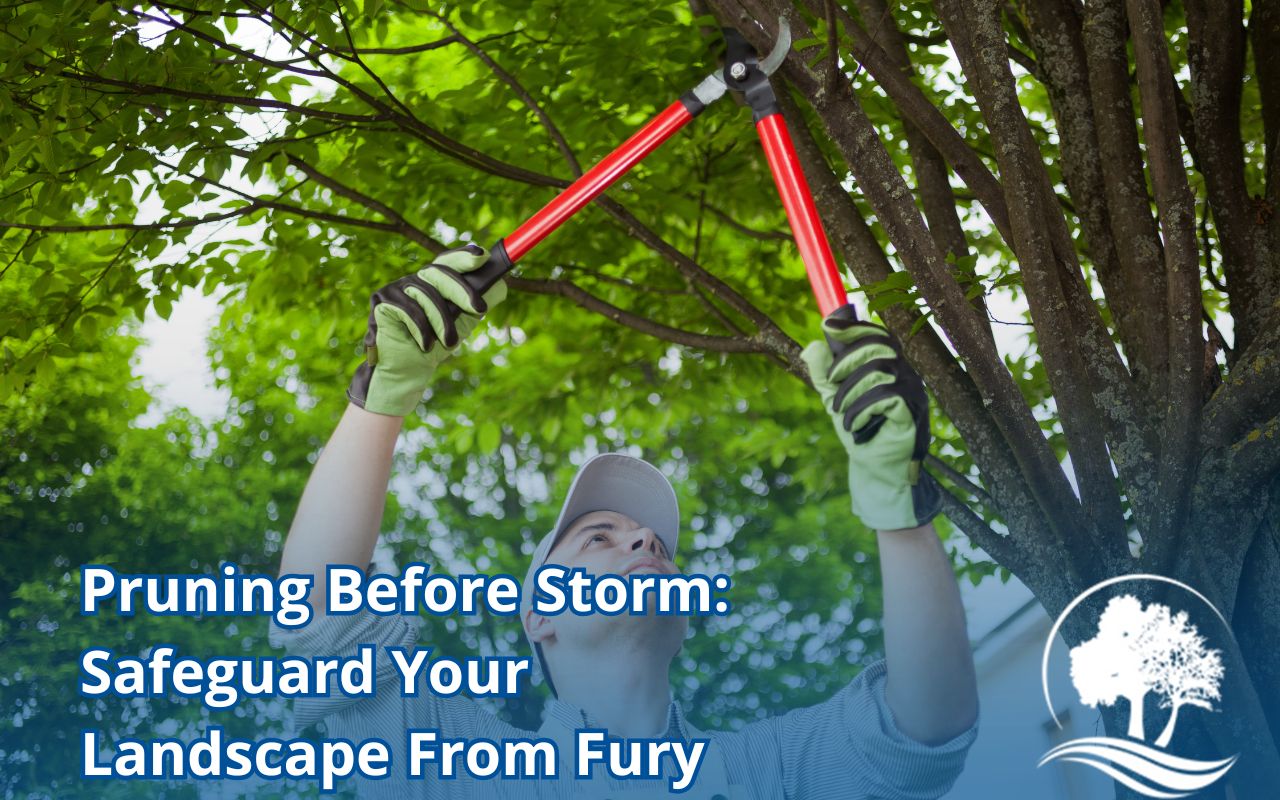
When the skies darken and winds howl, homeowners often worry about looming storms. Trees and landscapes face significant risks. Consequently, pruning before storm season is essential to protect your property.
This proactive approach goes beyond grabbing shears; it strengthens trees to withstand severe weather. Additionally, it acts as a shield against storm damage. For guidance, visit our Safe Tree Removal page.
Importance of Pruning for Storm Preparedness
Proactive pruning reduces the chance of branches breaking off during storms. Removing dead or weak limbs prevents hazards to property and people.
Well-pruned trees have balanced canopies, offering less wind resistance. They are less likely to twist, snap, or uproot. Pruning promotes structural stability and resilience.
Moreover, pruning before storm events improves long-term tree health. Proper airflow and reduced fungal risk help trees thrive, recovering faster after severe weather.
Identifying Trees in Need of Pruning
Not all trees need the same level of attention. Look for dead limbs, cracks in trunks, or leaning trees indicating hidden structural weaknesses.
Dense canopies increase wind susceptibility, while fast-growing species like silver maples require closer attention. Inspect trees thoroughly to develop an effective pruning plan.
Accurately identifying trees that need care ensures safety, minimizes unnecessary cuts, and maximizes storm preparedness. Consult our Tree Maintenance Checklist for professional guidance.
Best Time to Prune Before Storm Season
The ideal pruning window is late winter to early spring when deciduous trees are dormant. This timing minimizes stress and promotes healthy regrowth.
Avoid pruning during active storms or immediately after. Regional climate differences may adjust optimal timing. Always consult local arborists for precise scheduling to protect trees effectively.
Tools and Equipment Required for Pruning
- Bypass pruning shears: clean cuts for small branches, aiding healing.
- Loppers with telescoping handles: reach higher branches and thicker limbs efficiently.
- Pruning saw or pole saw: precise removal of larger limbs safely.
- Safety gear: gloves, protective eyewear, and hard hats ensure personal safety.
- Ladders or climbing equipment: secure access to tall trees. Professional help may be needed.
Techniques for Proper Tree Pruning
Key methods include thinning, raising, and reduction cuts. Thinning improves airflow and light penetration, reducing wind resistance.
Raising removes lower branches to clear structures, while reduction shortens long limbs to lower leverage during storms. Make cuts outside branch collars for optimal healing.
Use the three-cut method on large limbs to avoid bark tearing. Proper techniques ensure pruning before storm activities are effective and safe.
Addressing Overhanging Branches and Weak Limbs
Branches over roofs, driveways, or power lines can cause significant hazards during storms. Inspect and prune these areas carefully in advance.
Reduce wind load while preserving branch shape. Narrow crotch angles may need rerouting cuts to maintain structural integrity. Proper pruning before storm conditions minimizes risks.
Consulting with Arborists for Professional Advice
Complex or high-risk trees require certified arborists. Professionals assess risk, identify hidden issues, and create long-term maintenance plans. Engaging experts ensures safety and regulatory compliance.
Arborists advise on species selection and planting to reduce storm vulnerability. Partnering with experts ensures your trees are resilient and healthy. Contact us through our contact page.
FAQs about Pruning Before Storm
How often should I prune my trees before storm season?
Annually or biannually, depending on species and storm risk, ensures branches remain healthy and less prone to breakage.
Can pruning before storm harm tree health?
When done properly, pruning strengthens trees and promotes growth. Avoid overcutting or improper techniques.
Do I need professional help for pruning before storm?
Large or high-risk trees should be handled by certified arborists for safety and effective results.
What tools are best for pruning before storm?
Use bypass shears, loppers, pole saws, and safety gear. Proper tools ensure precise cuts and personal safety.
Safeguarding Your Landscape for Future Storms
Pruning before storm events is part of a holistic tree care routine. Combine regular inspections, mulching, and fertilization for long-term resilience.
Plant wind-resistant species and use strategic windbreaks. Healthy soil and robust root systems help trees recover faster. Implement these practices to protect and maintain a secure, visually appealing landscape.