
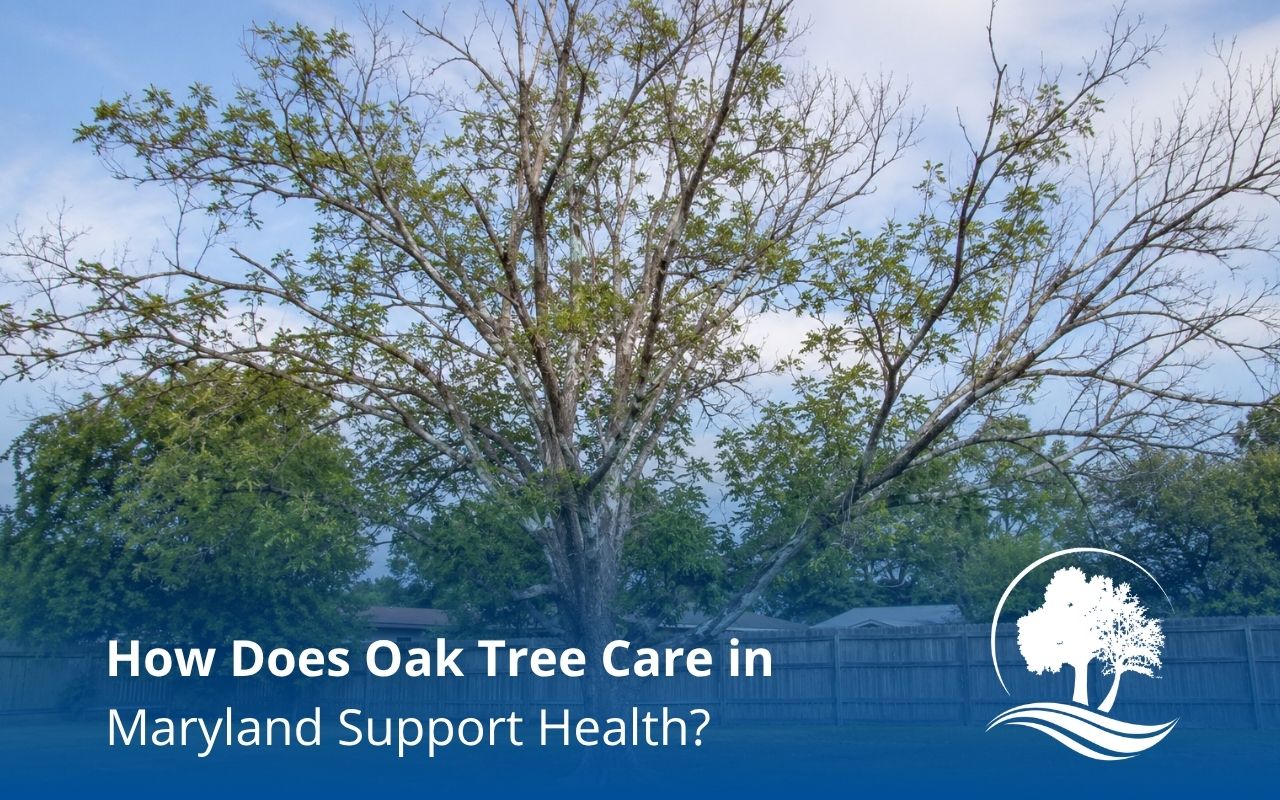
Maryland oak trees face heat, heavy rain, dry spells, pests, and storm pressure throughout the year. For more educational tree care guidance, explore Tree Care Insights and Tips while learning how steady care supports stronger oak trees.
How Does Oak Tree Care in Maryland Support Health?
Oak tree care in Maryland supports tree health by protecting roots, improving soil, reducing unsafe limbs, and lowering disease risk. Good care helps white oaks and red oaks handle seasonal stress, storm damage, drought, pests, and oak wilt concerns.
Oak care includes checking the canopy, protecting the root zone, watering during dry weather, trimming at safer times, and watching for early disease signs. Homeowners need this care when oaks show weak limbs, thin leaves, compacted soil, bark damage, or sudden leaf changes.
Identify Maryland Oak Needs Before Seasonal Problems Spread
Healthy oaks need balanced care because Maryland weather can shift from wet spring soil to hot summer drought and icy winter storms. Regular checks help find weak limbs, leaf changes, root damage, and disease signs before the tree becomes unsafe.
Oak tree care in Maryland should begin with a full review of the tree and growing space. Look at the leaves, bark, trunk base, branch shape, soil, and nearby hard surfaces. Small warning signs can point to larger root or canopy stress.
With Dream Tree Service LLC, we look at oak care as an ongoing process. We check for deadwood, rubbing branches, soil pressure, mower damage, and possible disease concerns. Then we explain what the signs may mean.
- Check leaves for browning, curling, or early drop.
- Review branches for cracks, rubbing, or dead tips.
- Keep mulch away from the trunk flare.
- Avoid heavy storage under the canopy.
- Plan trimming during safer seasonal windows.
Protect White Oak in Maryland With Gentle Care
White oak in Maryland benefits from patient care, open soil, and low-stress trimming. These trees often grow slowly, so the best plan protects roots, limits unnecessary cuts, and keeps the area around the trunk clean and breathable.
The Maryland Department of Natural Resources includes oak species on its recommended tree list. White oaks can support shade, wildlife, and long-term landscape value when their roots have space and the soil stays healthy.
For many white oaks, root protection is more important than frequent pruning. Soil compaction can limit oxygen and water movement. Thick soil layers, raised beds, or mulch against the bark can create trunk and root problems.
At Dream Tree Service LLC, we often recommend simple care before heavy work. A wide mulch ring, careful watering, and routine inspections can reduce stress. When trimming is needed, the focus should stay on dead, damaged, or unsafe branches.
Strengthen Red Oak Tree Care With Early Checks
Red oak tree care should focus on structure, disease awareness, and careful timing. Red oaks can grow faster than white oaks, so branch spacing, canopy balance, and early inspections matter for safer and healthier growth.
Young red oaks may need guidance as the main trunk and larger limbs develop. Mature red oaks often need fewer shaping cuts, but they still need checks for deadwood, decay, storm injury, and weak branch attachments.
Red oaks can decline faster when serious disease is involved, so sudden leaf browning or early leaf drop should not be ignored. Oak wilt is a known concern for red oak groups, which makes prevention and timing important.
Our team at Dream Tree Service LLC reviews visible symptoms without guessing from one sign alone. We look at the tree, the site, recent weather, and nearby oak conditions before explaining what may be happening.
Plan Oak Tree Trimming in MD More Safely
Oak tree trimming in MD should remove risky branches while protecting the tree’s natural form. The safest trimming plan avoids excessive live cuts, respects the branch collar, and considers seasonal disease risk before fresh wounds are made.
Trimming can reduce falling limb hazards, improve clearance, and help young trees build better structure. However, heavy cutting can stress an oak, open decay points, and weaken the canopy during future storms.
- Remove: dead, cracked, broken, or hanging branches.
- Reduce: rubbing limbs or branches with poor spacing.
- Avoid: topping, flush cuts, and excess live cuts.
- Review: limbs near roofs, walkways, and driveways.
When customers contact Dream Tree Service LLC, we first ask what they see, where the tree stands, and whether there is a safety concern. Then we explain whether trimming, monitoring, or another care step makes sense.
Reduce Oak Wilt Prevention in Maryland Risks Early
Oak wilt prevention in Maryland depends on reducing stress, avoiding risky wounds, and acting quickly when symptoms appear. Fresh cuts can attract insects during high-risk periods, so trimming should be planned carefully unless a branch creates an urgent hazard.
Oak wilt can move through connected roots or be spread by insects that visit fresh wounds. Because of that, timing matters for white oaks and red oaks. Unneeded warm-season pruning can raise disease concerns, especially when nearby oaks are stressed.
Homeowners should watch for sudden wilting, browning leaves, early leaf drop, and fast canopy decline. These signs do not always mean oak wilt, but they should be checked. Good prevention also includes clean cuts, healthy soil, proper watering, and less root damage.
Improve Soil Conditions Around Valuable Oak Tree Roots
Oak roots need oxygen, moisture, and space to support the canopy above. Better soil care reduces stress by limiting compaction, protecting surface roots, holding moisture during dry spells, and preventing trunk damage from mowers or tools.
Most active roots grow beyond the trunk, often under much of the canopy. That area should stay open and protected when possible. Cars, foot traffic, construction, and heavy tools can compact soil and make water movement harder.
Mulch should protect the soil without touching the trunk. A few inches of organic mulch can help retain moisture and reduce temperature swings. Keep mulch pulled back from the trunk flare so bark stays dry and visible.
Spot Oak Pests And Disease Before Decline Advances
Seasonal monitoring helps homeowners notice pest and disease signs before the tree loses major strength. Leaves, bark, branch tips, trunk flare, and soil conditions can all show early clues that an oak needs attention.
Some insects cause minor leaf damage, while others can worsen stress when the tree is already dry, compacted, or injured. Fungal growth near the base, thinning canopy areas, peeling bark, and sawdust near the trunk should be taken seriously.
Before using treatments, identify the likely cause. Guessing can waste time and may not help the tree. A careful inspection can also protect nearby trees if the issue may spread through roots, insects, or poor site conditions.
Follow A Simple Review Process Before Tree Work
A clear review process helps homeowners understand what happens before oak work starts. We ask about the tree, review visible concerns, inspect the site when needed, explain options, and help customers understand practical next steps.
With Dream Tree Service LLC, the review starts with what you notice. Photos, location details, and recent storm or trimming history can help explain the concern. For questions about oak care, use the Contact Dream Tree Service page.
- Share the tree type, location, and main concern.
- Tell us about dead limbs or leaf changes.
- We review visible risks and care needs.
- Before work begins, we explain the approach.
- After service, we explain helpful care steps.
Frequently Asked Questions
When is the best time for oak tree trimming in MD?
Cooler months are often safer for oak trimming because trees are less active and many pests are less active. The right timing depends on the tree’s condition, safety risks, and weather. For more educational guidance, visit Tree Care Insights and Tips.
How do I know if my oak tree is stressed?
Common stress signs include curling leaves, early leaf drop, dead branch tips, peeling bark, fungal growth, and thin canopy areas. These signs can come from drought, compacted soil, pests, disease, or storm injury.
Does white oak in Maryland need different care?
White oak in Maryland often needs gentle trimming, root protection, and steady soil care. These trees can grow slowly, so avoid heavy cuts unless branches are dead, damaged, or unsafe. For tree questions, use Contact Dream Tree Service.
Why is oak wilt prevention in Maryland important?
Oak wilt prevention in Maryland matters because the disease can move through root connections or insects attracted to fresh wounds. Red oaks may decline quickly, so careful timing, clean cuts, and early symptom checks are important.
How often should homeowners inspect mature oak trees?
Homeowners should check mature oaks through each season and after major storms. Look for deadwood, cracks, leaf changes, root damage, and soil compaction. You can also review Maryland Tree Service Options for broader tree care information.
Use Oak Care Knowledge For Healthier Future Growth
Healthy oaks need steady attention, not rushed decisions. Use this guide to understand roots, soil, trimming, watering, and oak tree care in Maryland. For help reviewing a tree concern, visit Contact Dream Tree Service.