
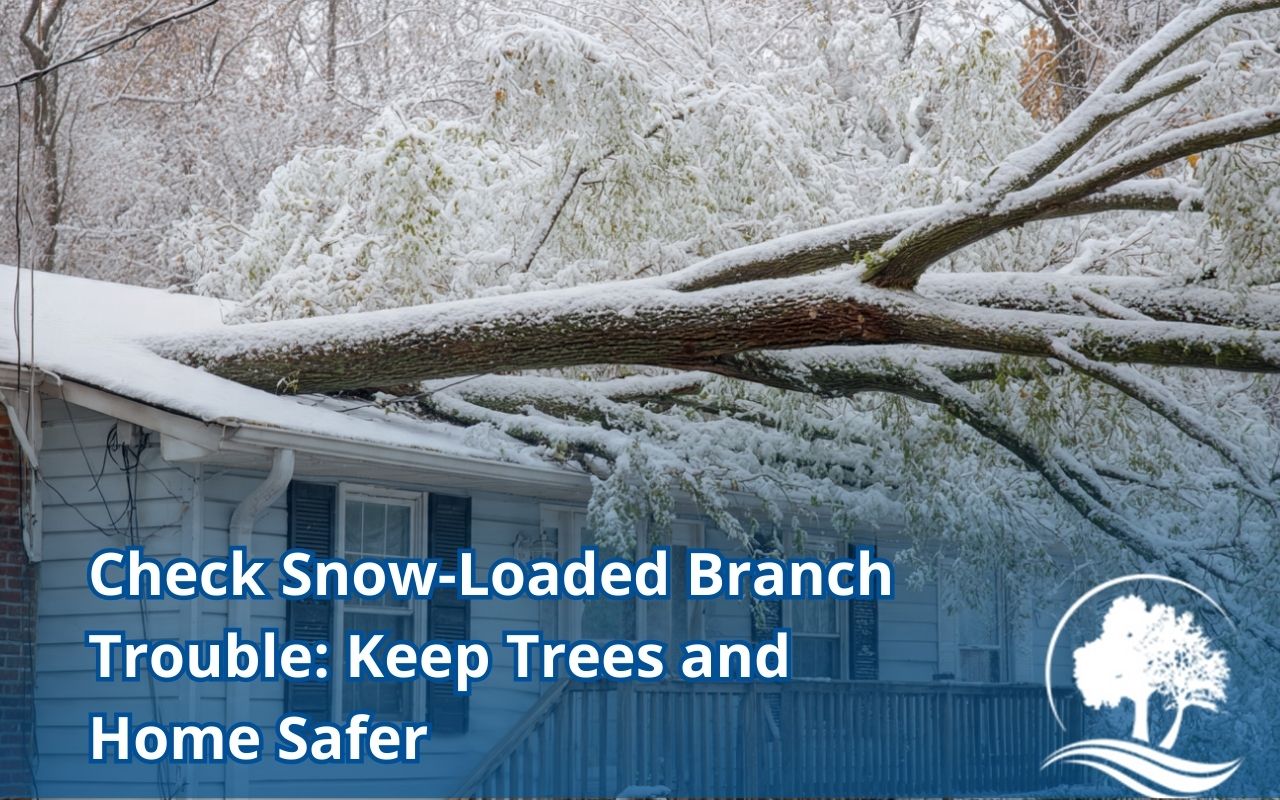
Heavy Snow Branch Risks can turn a calm winter scene into a sudden safety problem. At first, a snowy yard looks peaceful and bright. However, heavy, wet snow can bend limbs until they crack. As a result, falling branches may damage roofs, fences, and walkways.
If you have heard a branch snap, you know the worry. Therefore, planning ahead matters. Dream Tree Service LLC helps homeowners reduce winter tree hazards with practical care steps and safe, timely help.
Understanding the Risks of Heavy Snow on Tree Branches
Heavy Snow Branch Risks rise when wet snow piles up fast. Branches are not built to hold that extra load for long. In addition, ice can lock weight in place, while wind adds motion that stresses weak joints. The risks of heavy snow on tree branches grow when weight is uneven.
- Wet snow adds heavy weight in minutes.
- Ice sticks and increases stress on unions.
- Wind pushes loaded limbs back and forth.
- Temperature swings can widen small cracks.
Therefore, use snow load tree care with regular checks. For a seasonal guide, review winter tree care checklist and apply it after big storms.
Signs of Potential Branch Failure Due to Heavy Snow Load
Heavy Snow Branch Risks are easier to manage when you spot warning signs early. Look for sagging limbs, fresh cracks, or bark bulges near branch unions. Also, listen for creaking when snow is light. These signals often appear before a sudden break.
Meanwhile, watch for more small twigs falling than usual. If a tree already looks unstable, read tree stability concerns and note what fits your situation.
Assessing Tree Health and Structural Integrity
Start with a simple walk-around after each snowfall. First, check the trunk for cavities, peeling bark, or soft wood. Then, scan major limbs for splits, old wounds, or dead sections. Finally, note whether the tree sits close to structures or power lines.
Look for weak branch unions
Narrow, V-shaped unions can trap moisture and snow. As a result, they can split when weight builds. If you suspect a tree is beyond repair, compare symptoms with signs your tree needs removal before the next storm hits.
Pruning Techniques to Minimize Snow-Related Risks
Heavy Snow Branch Risks drop when a tree has better structure and less crowded growth. Therefore, pruning should focus on weak, dead, and crossing limbs. Also, avoid topping, since it can trigger weak regrowth that breaks easily. Dream Tree Service LLC can recommend safe timing for winter cuts.
- Remove dead, diseased, or damaged limbs first.
- Thin crowded areas so snow can fall through.
- Use clean cuts near the branch collar.
- For large limbs, use the three-cut method.
To learn growth-focused trimming, explore pruning trees for healthy growth. If you want local help, see tree pruning in Pikesville, MD.
Supporting Trees Under Heavy Snow Conditions
Before storms, support can reduce movement in weak limbs. For example, cabling may limit sway and lower split risk at unions. In addition, gentle snow brushing can help when snow is fresh and light. However, avoid shaking branches, since hidden cracks may worsen.
If ice forms, it is often safer to let it melt naturally. Meanwhile, keep people away from heavy, loaded limbs, especially near driveways and entries.
Protective Measures for Trees Near Structures
Trees near roofs and fences need extra planning. Therefore, reduce overhang by removing low limbs that reach structures. Also, keep roof edges and gutters clear, so sliding snow does not slam onto branches below. This supports steady snow load tree care through the season.
If a limb hangs over a walkway, make that area a no-go zone during storms. As a result, you reduce the chance of injury if a branch falls.
Dealing with Emergency Situations: Fallen Branches and Immediate Actions
Heavy Snow Branch Risks become urgent when a limb breaks. First, stay back and look for hazards, especially wires. Then, document damage for records. Also, avoid lifting heavy sections alone, since branches can roll or shift.
- Keep clear of downed limbs and unstable trees.
- Do not approach branches near power lines.
- Remove small debris only if the area is safe.
- Call pros for large limbs or structural contact.
For fast help after storm damage, use emergency tree services. Dream Tree Service LLC can handle hazardous removals with the right tools and training.
Monitoring and Maintenance Throughout the Winter Season
Heavy Snow Branch Risks change after each storm and thaw. Therefore, inspect trees after heavy snowfall and again after warm spells. Brush off fresh, light snow when it is safe. Also, mark recurring weak limbs for early spring pruning and follow-up snow load tree care.
Meanwhile, check for new cracks near unions. If you notice repeating sag, plan a professional visit before the next weather shift.
Collaborating with Professionals: Arborists and Tree Care Services
Sometimes, DIY steps are not enough, especially near homes and lines. Therefore, a trained arborist can spot hidden decay and structural faults. They can also explain how to prevent branch breakage from snow with pruning, cabling, or removal when needed.
If you want a site-specific plan, reach out through book a winter tree inspection. This helps you act before storms, not after damage.
Frequently Asked Questions
Can I knock snow off branches with a rake?
Yes, but be gentle and use a soft tool. Also, work from the outside in. However, do not shake limbs hard, since cracks can snap.
Is wet snow more dangerous than fluffy snow?
Usually, yes. Wet snow is heavier and sticks longer. As a result, limbs bend more and unions take more strain.
What trees break most often in winter storms?
Trees with weak unions, decay, or crowded canopies fail more often. Therefore, structure matters more than species alone.
Should I remove ice from branches?
Most of the time, no. Ice can be hard to remove safely. Instead, keep people away and let it melt as temperatures rise.
When should I schedule pruning for winter safety?
Plan pruning before the heaviest storms when possible. Also, schedule corrective pruning in late winter or early spring for best results.
Enjoying a Safe Winter Wonderland
Winter can stay beautiful when you plan ahead. Therefore, watch for early signs, keep canopies balanced, and protect areas near your home. In addition, combine routine checks with expert help when risk is high.
With smart care, you can enjoy snowy mornings without constant worry. As a result, your trees stay healthier, and your property stays safer all season.