
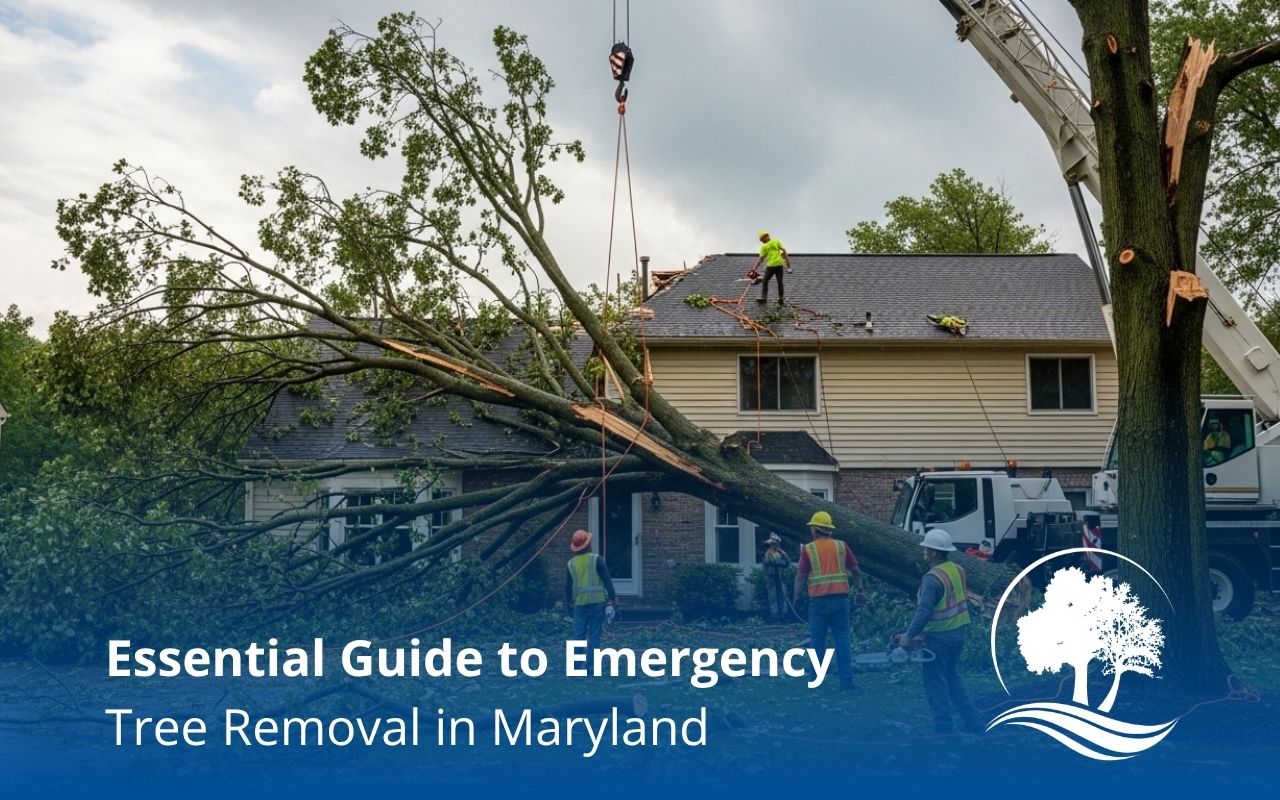
After a strong Maryland storm, a fallen or damaged tree can quickly become a serious safety risk. Branches may block your driveway, lean on your roof, or hang above areas your family uses every day.
This guide from Dream Tree Service LLC explains how to spot danger, stay safe, and know when expert help is needed. With the right steps, emergency tree removal in Maryland can protect your home and bring peace back faster.
Spot Tree Hazards After Heavy Storms
Strong wind and rain can weaken trees in ways that are not easy to see. After a storm, look for split bark, cracked limbs, leaning trunks, and roots lifted from the ground. These signs may mean the tree is no longer stable.
Hanging branches are especially dangerous because they can fall without warning. Walk around your yard from a safe distance, and do not stand under damaged limbs. When a tree blocks access or rests on a structure, a fallen tree service may be the safest choice.
- Look for large cracks in the trunk or main limbs.
- Check for exposed roots or soil lifted around the tree.
- Watch for branches caught above walkways, roofs, or driveways.
- Keep children, pets, and visitors away from the damaged area.
Safety Steps Before Tree Removal Begins
Before anyone moves branches or debris, check for power lines. Never touch a tree, limb, fence, or puddle near a downed wire. Call the utility company first because electricity can travel through wet wood and the ground.
Next, look at nearby buildings, vehicles, and fences. A leaning tree can shift quickly once weight changes. If the tree is on a slope, tangled with other limbs, or pressed against your home, urgent tree removal in MD should be handled by trained crews.
When Is Professional Help Really Needed?
Professional help is needed when the tree is large, unstable, near power lines, or resting on a home, garage, shed, or vehicle. These situations can become worse if the wrong cut is made. Safe removal often needs ropes, lifts, cranes, and careful planning.
At Dream Tree Service LLC, we know storm damage can feel stressful and sudden. Our team helps homeowners understand the risk, remove the hazard, and protect the property from further damage. For service options, visit our tree services page.
Smart Limits for Small DIY Cleanup
Small branches on the ground may be safe to clear if there are no wires, no tension, and no nearby structures. Wear gloves, eye protection, sturdy shoes, and a helmet if you are working near broken limbs.
Keep DIY work simple. Do not use a chainsaw on large limbs unless you are trained and have the right safety gear. Branches under pressure can spring back, split, or roll. When there is doubt, emergency tree removal in Maryland is safer with a professional crew.
- Clear only small branches that are fully on the ground.
- Create a safe path before moving any debris.
- Use caution tape or cones to keep others away.
- Stop right away if the tree shifts or cracks.
Permits, Insurance, and Local Rules Matter
Some Maryland areas have tree removal rules, especially for large trees, protected spaces, or certain neighborhoods. Local requirements can vary, so it is wise to check before major work begins. In true emergencies, safety comes first, but records still matter.
Insurance may help when a tree falls on a covered structure or blocks needed access. Take clear photos before cleanup begins. Save invoices, notes, and service details. A reliable team can provide the paperwork your insurance company may request after storm tree removal in MD.
Responsible Cleanup After Tree Removal
After the tree is removed, cleanup should leave your property safer and easier to use. Wood, limbs, and debris can often be hauled away, chipped into mulch, or cut into smaller pieces based on the situation.
Dream Tree Service LLC believes safe work and clean results should go together. We also look at the nearby trees when possible, because one fallen tree may point to other weak spots in the yard.
- Remove loose limbs that could become future hazards.
- Check nearby trees for cracks, lean, or root damage.
- Keep mulch away from the trunk base to avoid rot.
- Schedule routine trimming to reduce storm risk.
Frequently Asked Questions
How fast should I act after a tree falls?
You should act as soon as the area is safe to check. Keep people away from the tree, look for power lines, take photos, and contact a professional if the tree blocks access or threatens your home.
Can I remove a fallen tree myself?
You may remove small branches on the ground if there are no wires or pressure points. Large trunks, hanging limbs, and trees near structures should be handled by trained professionals.
Does insurance cover emergency tree removal?
Coverage depends on your policy and where the tree fell. Many policies may help when a tree damages a covered structure or blocks an important entrance. Photos and invoices can support your claim.
What makes storm tree removal dangerous?
Storm-damaged trees can shift without warning. Broken limbs may be under pressure, roots may be loose, and hidden cracks can cause sudden movement during cutting or cleanup.
Do you offer help during urgent tree situations?
Dream Tree Service LLC helps homeowners handle dangerous tree problems with care. For urgent support, use our contact page to reach our team.
Protect Your Home Before the Next Storm
Regular tree care can lower the chance of future emergencies. Look for dead branches, fungal growth, leaning trunks, and cracks after heavy rain or strong wind. These signs may show that a tree needs attention before it fails.
Dream Tree Service LLC is here to help you make safe choices before and after storm damage. When you need 24/7 tree removal in Maryland or careful guidance, our team is ready to protect your property with dependable emergency tree removal in Maryland.