
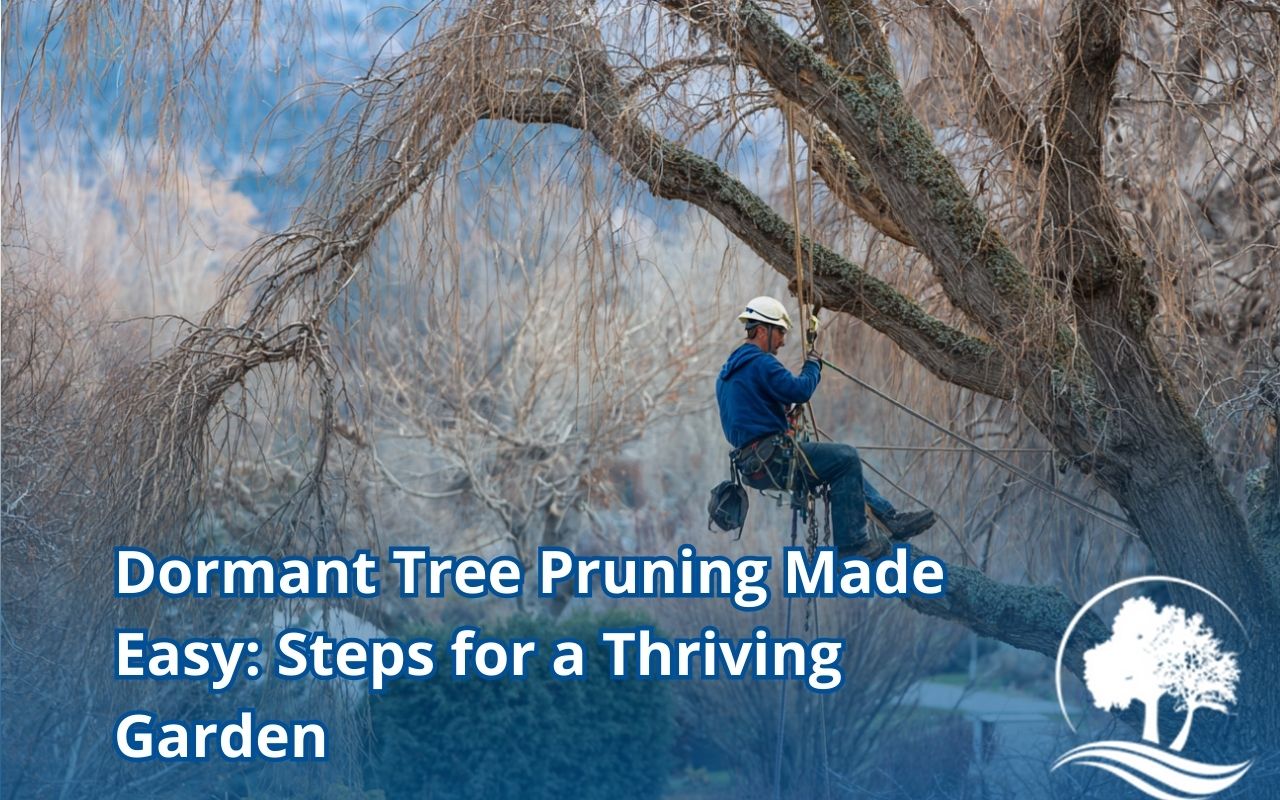
Dormant Tree Pruning is the quiet work that happens during winter while your garden seems still and lifeless. Yet, this calm season is the ideal time to shape trees, remove problems, and prepare everything for strong spring growth.
During this resting period, you can safely trim branches, guide tree shape, and prevent many future issues. As you learn simple dormant season tree care tips and start pruning deciduous trees while dormant, you will see healthier foliage, brighter blooms, and a garden that thrives with less effort.
Benefits of Dormant Tree Pruning
First, Dormant Tree Pruning helps you remove dead, damaged, or diseased limbs before pests and problems spread in spring. By thinning crowded growth, more light and air reach the center of the tree, which lowers fungus risk and supports strong new buds.
- Removes weak, dead, or diseased branches safely.
- Improves sunlight and airflow inside the canopy.
- Shapes young trees for better balance and strength.
- Reduces storm damage and heavy snow breakage.
If you wonder what is dormant pruning, it simply means trimming trees in their resting season, usually late winter. This timing lets trees heal cuts before active growth. Additionally, cleaner cuts and lower sap flow reduce stress. For larger or risky work, you can rely on professional tree pruning services in Towson or trusted tree pruning experts in Perry Hall.
Tools Needed for Dormant Tree Pruning
Before you start Dormant Tree Pruning, gather the right tools so every cut is clean and safe. Sharp bypass pruners work well for small twigs, loppers handle medium branches, and a hand or pole saw tackles thicker limbs. Each tool offers leverage, reach, and precision for different branch sizes.
- Bypass pruners for branches up to about ¾ inch.
- Loppers for limbs between 1 and 2 inches thick.
- Hand saw or pole saw for larger, higher branches.
- Sturdy ladder or step stool for safe access.
Always wear gloves, safety glasses, and, when needed, a hard hat under heavy branches. Keep blades sharp, clean, and lightly oiled to prevent rust and disease spread. For complex, high, or risky cuts, it is often safer to explore full tree care services instead of climbing and cutting on your own.
Choosing the Right Time for Pruning
Choosing the best moment to prune depends on your local weather and tree patterns. Usually, late winter, just before buds swell, offers the ideal mix of dormancy and mild temperatures. However, trimming too early can expose fresh cuts to deep freezes and slow healing.
Check typical frost dates in your area and aim for a stretch of calm, dry weather above freezing. This gentle window reduces stress on the tree and helps cuts close smoothly. By matching your work with the season, you follow effective dormant season tree care tips that encourage strong spring growth.
How to Identify Which Branches to Prune
Start by removing dead, broken, or clearly diseased branches. These often appear brittle, darker than healthy wood, or marked by fungus and cracks. Taking them out first reduces hazards and stops many problems from spreading further into the tree.
- Remove dead, broken, or diseased limbs.
- Cut out crossing branches that rub together.
- Thin inward-growing shoots that block light.
- Aim for an open, balanced canopy shape.
Next, look for crowded limbs that cross and rub, since they can wound bark and invite pests. Then, thin inward-growing branches that block airflow and shade the interior. Aim for a balanced, open canopy that lets light reach the inner buds and reduces future maintenance work.
Techniques for Proper Pruning Cuts
For larger limbs, use the three-cut method to protect bark. First, make a small undercut several inches from the trunk. Second, cut from the top just beyond that notch so the branch falls without tearing.
Finally, trim the remaining stub at the branch collar, where the limb meets the trunk. For smaller branches, place bypass pruners just outside the collar and cut at a slight angle. Avoid leaving long stubs or cutting flush with the trunk, since both choices slow healing and raise decay risk.
Dealing with Disease and Pests During Pruning
While you work, watch for cankers, oozing sap, odd spots, or tiny holes that signal disease or insects. When you find these issues, disinfect tools between cuts with rubbing alcohol or a mild bleach solution. This simple step greatly reduces the chance of spreading problems through the tree.
After pruning, you may choose a dormant oil spray to smother overwintering insect eggs and some fungal spores. Always follow label directions carefully and apply on a dry, calm day above freezing. By staying alert and cleaning tools, you protect tree health while you improve structure.
Pruning Different Types of Trees: Deciduous vs. Evergreen
Both deciduous and evergreen trees benefit from careful pruning, yet they respond differently. Deciduous trees drop leaves in fall and rest fully in winter, so pruning them during dormancy minimizes sap loss and stress. As a result, they often bounce back quickly in spring.
Evergreens keep their needles or foliage year-round and may not fully rest. Therefore, avoid heavy cuts that remove too much green growth at once. Instead, focus on problem branches and light shaping, and limit pruning to a small portion of the canopy each season.
Maintaining Tree Health After Pruning
After Dormant Tree Pruning, monitor your trees closely as spring arrives. Look for healthy bud break, even leaf growth, and strong new shoots. During dry spells, water deeply to help roots recover and support fresh foliage.
Mulch the soil around the base, keeping it a few inches away from the trunk to prevent rot. Additionally, remove fallen branches and old leaves that may harbor pests or fungus. If you want to know the people caring for your landscape, you can learn more about Dream Tree Service and how we protect tree health over the long term.
Winter Care Tips for Newly Pruned Trees
Newly pruned or young trees often need extra winter protection. Wrapping trunks with guards or burlap shields them from sunscald, frost cracks, and animal damage. Meanwhile, a two- to four-inch mulch layer helps regulate soil temperature and hold moisture.
- Wrap young trunks to prevent winter injury.
- Spread mulch evenly, but keep it off the trunk.
- Gently brush heavy snow from branches.
- Avoid piling snow or ice against the trunk.
Avoid packing snow directly against the tree base, since this can trap moisture and invite rot. When storms bring heavy, wet snow, carefully brush weight from branches to prevent breakage. With these small habits, you help pruned trees stay strong until warmer weather returns.
Frequently Asked Questions
How often should I schedule dormant pruning?
Most mature trees benefit from a light pruning every one to three years. However, younger trees may need more frequent shaping to build a strong structure early on.
Can I prune my trees myself, or should I hire a professional?
You can safely handle small, low branches with proper tools and knowledge. Yet, for very large limbs, power lines, or hard-to-reach spots, it is safer to hire a certified arborist.
Is dormant pruning safe for all tree species?
Dormant pruning works well for most deciduous trees and many shrubs. Still, some trees, especially early spring bloomers, may flower less the following season if heavily pruned.
What happens if I prune too late in spring?
Pruning after sap starts flowing can cause heavier bleeding and stress. It may also reduce flowers or fruit, so try to finish major cuts before buds fully open.
When should I call a professional tree service?
You should call a professional when branches are very large, near buildings, or close to utility lines. For a safe evaluation, you can request a detailed tree health inspection and get tailored recommendations.
Enjoying the Results of Your Winter Pruning
With regular Dormant Tree Pruning, you set the stage for a vibrant garden every year. Careful timing, clean cuts, and the right tools bring stronger branches, fewer diseases, and richer blooms when spring returns.
As you combine these simple techniques with smart dormant season tree care tips, your trees will reward you with healthy foliage and long-lasting beauty. Whenever you need expert help with pruning plans or complex tree work, explore our specialized tree care services for safe, professional support.