
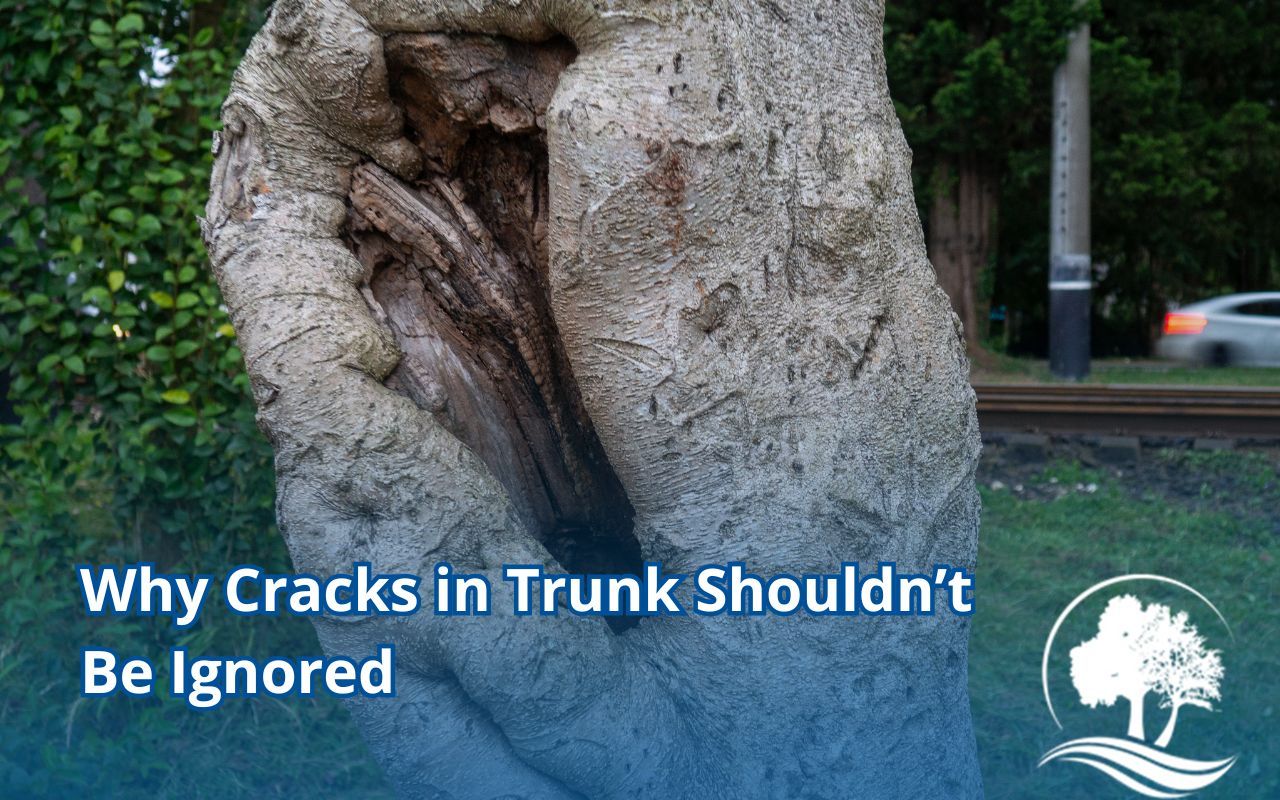
Not all tree damage is immediately obvious, but cracks in trunk are a serious red flag. They can signal structural weakness, disease, or internal decay—all of which increase the risk of tree failure. As part of smart preventive tree maintenance, cracks in the trunk should never be brushed off.
At Dream Tree Service LLC, we help property owners across Baltimore and the entire state of Maryland spot these warning signs early. If you notice visible splits or deep cracks, here’s what it could mean—and what you should do next.
What Causes Cracks in a Tree Trunk?
Natural Growth Stress
Sometimes, fast-growing trees develop minor cracks as they adjust to rapid expansion. These may not be urgent, but still require monitoring. If left unchecked, small cracks can widen or deepen over time, especially in trees under environmental stress.
Storm and Weather Damage
Heavy winds, snow, or freezing rain can cause bark to split suddenly. Trees exposed to strong storms are more likely to develop vertical cracks or even internal damage. You can learn how to assess tree damage after a storm to identify early issues before they worsen.
Signs Your Tree Needs an Inspection
Cracks aren’t always the only issue. Look for these additional warning signs:
- Bark falling off around the crack
- Fungus or mushrooms near the base
- Leaning or shifting trunk
- Large dead limbs above the crack
- Soft or hollow sounds when tapped
These are signs your tree needs an inspection by a professional. Our team uses proven tree health indicators to determine if the damage is repairable or if removal is required.
When Is a Crack Dangerous?
Vertical vs. Horizontal Cracks
Vertical cracks can range from surface-level splits to deep trunk damage. These are more serious if they extend to the tree’s base or appear near major branch junctions. Horizontal cracks, although rarer, often indicate sudden trauma and require immediate attention.
If the crack is large or located in a structurally critical area, it may mean the tree is at risk of failing. Learn about the signs your tree needs removal to decide if action is necessary.
Can Cracked Trees Be Saved?
Sometimes—But It Depends
A tree with minor trunk cracks might be stabilized with pruning, cabling, or support bracing. But if the tree has internal rot or weak root support, removal may be the only safe option. That’s why an expert inspection is key.
At Dream Tree Service LLC, we always prioritize preservation when possible, but never at the cost of safety. Explore inspection tips for making proactive decisions about your trees.
FAQs – Cracks in Trunks and Tree Safety
Are all trunk cracks dangerous?
Not always, but they should never be ignored. Some are superficial, while others signal deep internal damage.
What should I do if I see a crack in my tree?
Mark the spot and schedule a professional inspection. Don’t climb the tree or cut it yourself if it appears unstable.
Can cracked trees survive with treatment?
Yes, depending on the size, location, and cause of the crack. Minor cases may be treated, while severe damage may require removal.
Book a Tree Inspection If You See Cracks in the Trunk
Tree cracks aren’t always urgent, but they’re never something to overlook. If you’ve spotted cracks in your tree’s trunk, it’s time for a professional assessment. Dream Tree Service LLC offers expert inspections, maintenance, and safe removal across Baltimore and throughout Maryland.
Contact us today to schedule your inspection and keep your yard safe year-round.