
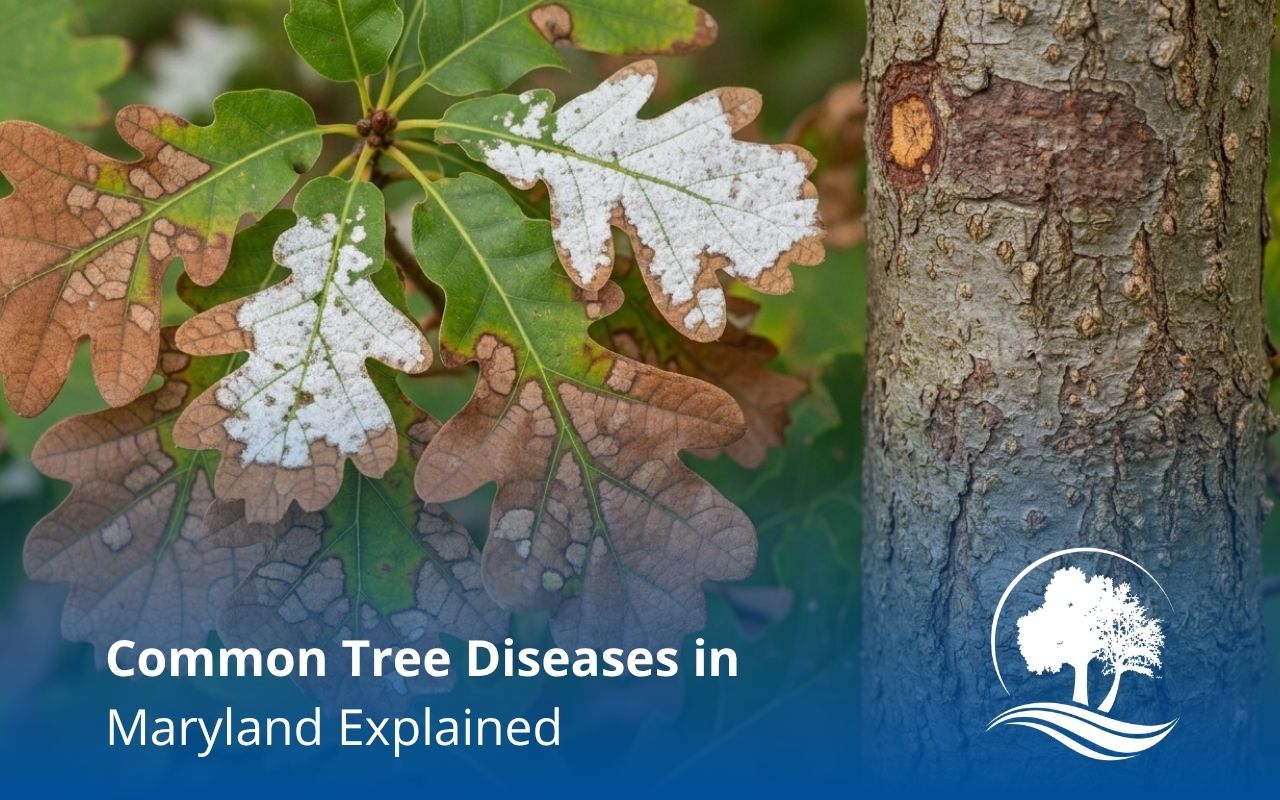
Battling tree problems can feel hard when the warning signs are quiet. In many yards, streets, and wooded areas, common tree diseases in Maryland can harm strong trees before people notice clear damage.
At Dream Tree Service LLC, we help homeowners understand what may be hurting their trees and when to act. With early care, many trees have a better chance to stay safe, strong, and beautiful.
Why Maryland Trees Face Serious Health Threats
Maryland trees grow in changing weather, heavy summer humidity, compacted soil, and storm damage. As a result, disease and pests can spread faster when trees are already weak or stressed.
Common tree diseases in Maryland can affect shade, curb appeal, wildlife, and safety around your home. Therefore, knowing the signs can help you protect your property before the damage becomes severe.
How Can Maryland Homeowners Spot Tree Trouble Early?
Tree problems often begin with small changes. A few yellow leaves, thinning branches, or bark damage may seem minor, but these signs can point to a deeper issue.
- Leaves turn brown, yellow, or fall too early.
- The canopy looks thin, patchy, or uneven.
- Bark cracks, splits, or shows wet spots.
- Fungal growth appears near the roots or trunk.
- Branches die back from the top of the tree.
When these signs appear, our team can inspect the tree and explain the next step in simple terms. Dream Tree Service LLC focuses on clear guidance, safe care, and honest recommendations.
Oak Wilt Can Quickly Harm Healthy Oaks
Oak wilt in Maryland is a serious tree disease that affects the way oaks move water. Once the disease enters the tree, leaves may wilt, brown, and drop much earlier than normal.
This disease can spread through connected roots or insects that visit fresh cuts. For that reason, pruning oaks at the wrong time can increase risk, especially during warmer months.
Early action matters because oak wilt can move fast. If your oak looks weak or loses leaves suddenly, professional care may help protect nearby trees before the problem spreads.
Emerald Ash Borer Damage in Local Trees
Emerald ash borer in MD has caused major damage to ash trees in many areas. This small green insect lays eggs on bark, and its larvae feed under the surface.
As the larvae move through the tree, they block water and nutrients. Over time, the crown thins, bark may split, and the tree can become unsafe if the damage is advanced.
Because the signs can appear late, ash trees need careful checking. Dream Tree Service LLC can help you decide whether treatment, monitoring, or removal is the safest choice.
Tree Fungus Problems Thrive in Humid Weather
Tree fungus in Maryland often grows during warm, wet seasons. Fungi may enter through wounds, damaged roots, broken limbs, or weak areas near the base of the tree.
Some fungal problems affect leaves, while others attack roots or inner wood. This can make trees weaker, more likely to drop limbs, or more likely to fail during storms.
- Powdery white patches on leaves may point to leaf fungus.
- Shelf-like growth near the trunk can signal decay inside the tree.
- Soft soil, poor drainage, and heavy mulch can raise fungal risk.
- Root damage can make fungal infections harder for the tree to fight.
Common tree diseases in Maryland often become worse when fungus and stress happen together. That is why healthy soil, proper watering, and regular checks are so important.
Smart Care Steps for Sick Maryland Trees
Sick tree treatment in MD starts with the right diagnosis. Guessing can waste time and may make the problem worse, especially when insects, fungus, and disease show similar symptoms.
- Water deeply during dry periods, but avoid soaking the trunk.
- Use mulch in a wide ring, keeping it away from bark.
- Remove dead or unsafe branches at the right time.
- Avoid cutting oaks during high-risk oak wilt months.
- Schedule a tree inspection when symptoms spread or return.
Our tree care services are built around safe work, simple advice, and practical solutions. With Dream Tree Service LLC, you get help that fits the tree and the property.
Frequently Asked Questions
What are the most common tree diseases in Maryland?
Common tree diseases in Maryland include oak wilt, root rot, leaf fungus, canker diseases, and other problems linked to stress, poor drainage, wounds, or insect activity.
Can oak wilt in Maryland be treated?
Some healthy oaks near infected trees may benefit from preventive care. However, trees with severe oak wilt often need quick action to protect nearby oaks.
How do I know if my ash tree has emerald ash borer?
Look for thinning leaves, bark splits, D-shaped exit holes, and heavy woodpecker activity. These signs may mean emerald ash borer in MD is already damaging the tree.
Is tree fungus in Maryland always dangerous?
Not every fungus means a tree will die, but some fungi can weaken roots or wood. A proper inspection helps show how serious the issue is.
When should I ask for sick tree treatment in MD?
Ask for help when leaves change early, branches die back, fungus appears, bark splits, or a tree looks unsafe. Early care can often reduce bigger risks.
Protect Your Trees With Timely Local Care
Maryland’s trees add shade, beauty, and value to every property. However, disease, pests, and fungus can change that quickly when warning signs are ignored.
Dream Tree Service LLC is ready to help you understand what your trees need. To schedule a visit, reach us through our contact page and take the next step toward safer, healthier trees.