
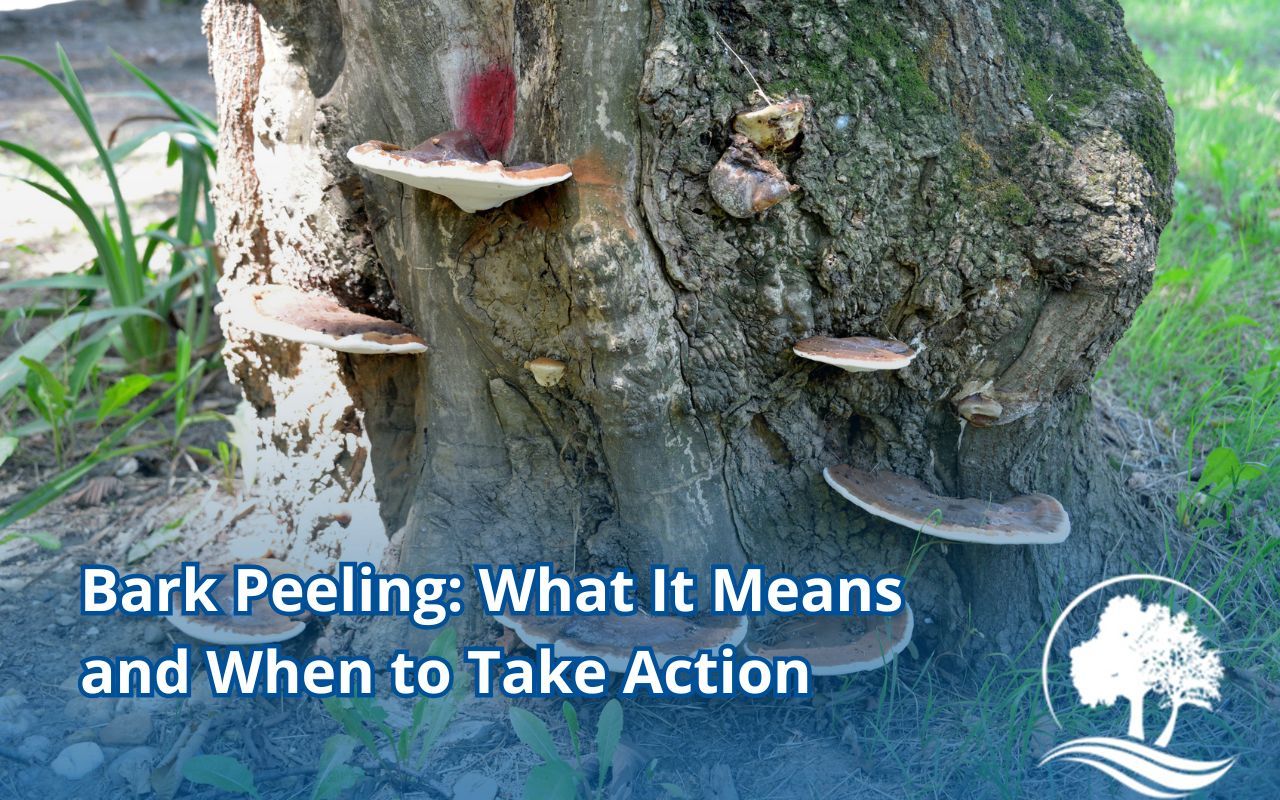
Peeling bark might seem harmless, but it’s often one of the first visible signs that something is wrong with your tree. Whether it’s caused by disease, weather, or physical stress, bark peeling should be treated as a signal to inspect your tree more closely. Ignoring it could lead to serious issues, including structural failure or tree death.
At Dream Tree Service LLC, we work with homeowners and property managers across Baltimore and the entire state of Maryland to identify early signs of damage before they become emergencies. Here’s what bark loss could mean—and what you should do about it.
What Causes Bark Peeling in Trees?
Natural Shedding vs. Problem Warning
Some species naturally shed bark as part of their growth process. However, excessive or uneven peeling can indicate health problems like disease, fungal infection, or insect activity. Knowing the difference is key.
If you notice large areas of bark peeling, especially with soft wood underneath or exposed cracks, it’s time to look deeper. Learn how to assess tree damage to identify the source.
Environmental and Physical Stress
Sudden changes in temperature, storm damage, drought, or mechanical injuries (like lawn equipment strikes) can all cause bark to peel prematurely. These stressors weaken the tree’s natural defense systems, leaving it vulnerable to pests and decay.
Bark Peeling and Tree Health: What to Watch For
If your tree is losing bark and showing other symptoms, it may be time for an inspection. Warning signs include:
- Bare patches exposing inner wood
- Cracks or splits beneath peeling areas
- Fungal growth or insect tunnels
- Sap leaking or sticky residue
- Sparse leaves or thinning crown
These are strong tree health indicators that your tree could be declining and needs attention.
Why Bark Is So Important for Tree Survival
Protection, Circulation, and Healing
Bark is the tree’s protective layer—it shields the living tissue beneath from pests, moisture loss, and infection. When bark is damaged or lost, the tree becomes exposed to threats that can accelerate decay.
Without bark, a tree can’t properly transport nutrients and water. Tree inspection tips can help determine if the tree can recover or if removal is the safer option.
When Peeling Bark Means It’s Time to Remove the Tree
Advanced Damage Calls for Professional Help
If bark peeling is accompanied by dead limbs, a hollow trunk, or a soft, crumbling base, the tree may be beyond saving. Trees with bark loss that affects more than 50% of the trunk often lack the strength to stand or heal.
Signs your tree needs removal include extensive bark damage and structural instability. Dream Tree Service LLC can help you determine the safest solution.
FAQs – Bark Peeling and Tree Safety
Is bark peeling always a sign of tree trouble?
Not always. Some trees naturally shed bark, but excessive or unusual peeling often means stress or disease.
Can a tree survive after losing its bark?
Sometimes, if the damage is minimal and not near the base. Larger wounds or deep bark loss can be fatal.
Should I try to remove peeling bark?
No. Let a professional inspect the area first. Pulling off bark may expose sensitive tissue and worsen the problem.
Schedule a Tree Inspection if You See Bark Peeling
Bark peeling can be an early warning sign of serious tree health issues. Don’t wait until the damage spreads. Dream Tree Service LLC offers expert inspections, health assessments, and safe tree removal services in Baltimore and throughout Maryland.
Contact us today to protect your trees and keep your property safe with professional tree care.