
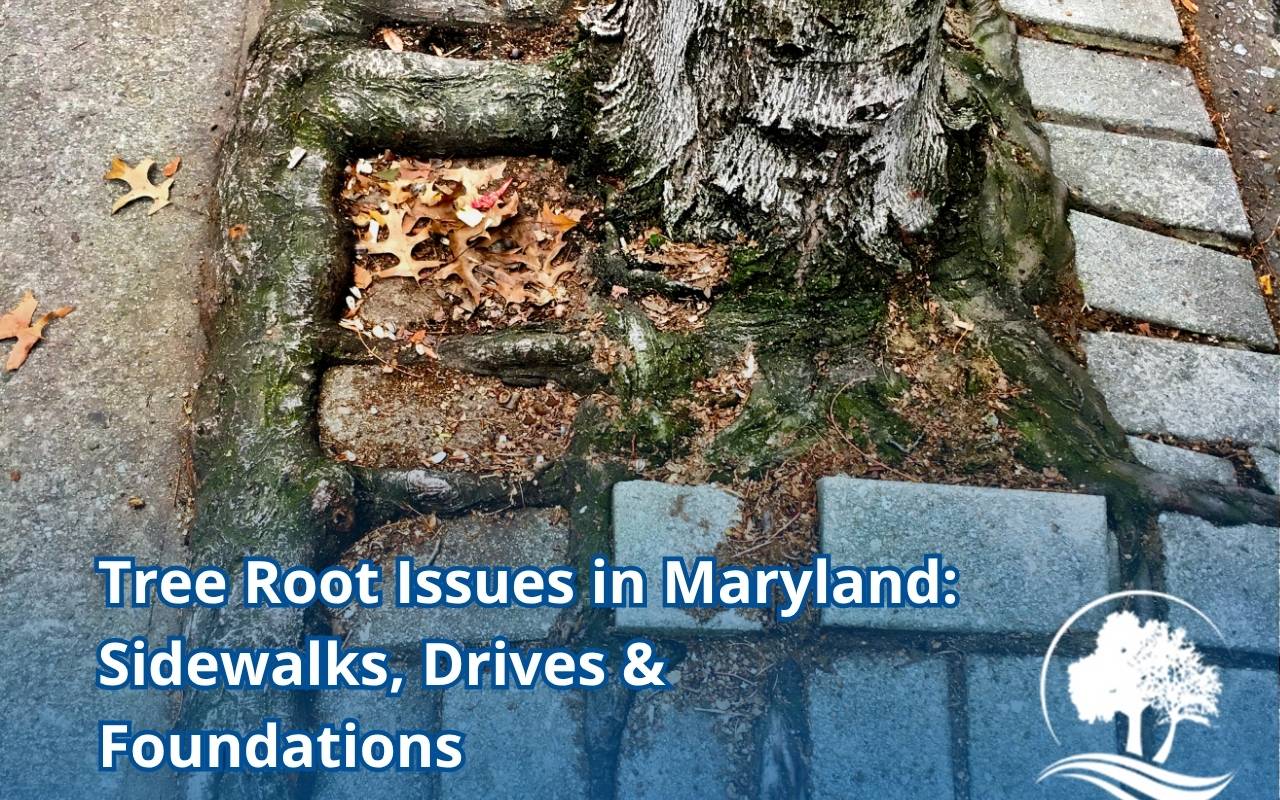
Tree roots play a vital role in supporting and nourishing trees. However, in urban Maryland, they can create unexpected challenges. While tree-lined streets are charming, hidden tree root issues can cause damage to sidewalks, driveways, and even home foundations. As roots expand, they can crack pavements, create uneven surfaces, and compromise structural stability. These problems disrupt daily life and may lead to costly repairs.
In Maryland, certain tree species with aggressive root systems are well known for intensifying these challenges. Girdling roots that wrap around a tree’s base and soil movement from heave versus settlement are major concerns for homeowners and city planners. Beyond visible damage, unseen root problems can threaten both property and tree health. Early detection and action can protect structures and extend the tree’s lifespan.
Common Tree Species with Aggressive Roots in Maryland
Several trees in Maryland are notorious for strong root systems that can disrupt nearby structures. Among them are:
- Silver maple (Acer saccharinum) with lateral roots that lift sidewalks.
- Willows (Salix spp.) that send roots through pavement and pipes.
- Sweetgum (Liquidambar styraciflua) with shallow, spreading roots under foundations.
- Black walnut (Juglans nigra) known for roots that can damage utilities.
Understanding these species helps property owners anticipate and reduce tree root issues. Identifying girdling roots early and using preventive methods can limit potential damage.
Understanding Hidden Root Issues
Many tree root issues are hidden underground, making them difficult to detect. Spotting early warning signs is essential for preserving stability and health. Acting quickly helps maintain both safety and longevity.
- Exposed and surface roots: Excessive exposure may result from erosion, reducing nutrient absorption and tree stability.
- Compacted soil: Dense soil restricts water and oxygen movement, slowing growth and stressing the tree.
- Root rot and decay: Fungal infections cause soft roots, foul odors, and visible mushrooms at the base.
- Root crown problems: Swelling or decay near the root crown can lead to instability or trunk damage.
Regular inspections and professional assessments can identify these concerns early. For expert help, homeowners can contact Dream Tree MD to schedule an evaluation.
Impact of Tree Roots on Sidewalks
Tree root issues often appear most clearly on sidewalks. As roots grow toward moisture, they lift pavement slabs and create uneven surfaces. This not only affects aesthetics but also poses tripping hazards and potential liabilities. Homeowners and municipalities should monitor sidewalks for early signs of lifting or cracking to prevent costly repairs.
Installing root barriers and scheduling maintenance through professional services such as tree care experts can minimize these disruptions and preserve both safety and appearance.
Challenges Posed by Tree Roots to Driveways
Driveways face similar problems. Roots often follow compacted soil beneath driveways, causing cracks and bumps over time. This can lead to vehicle damage and trip hazards. Breaking compacted soil layers and installing barriers can protect both driveway integrity and tree health.
Because tree root issues worsen seasonally with moisture changes, regular monitoring is crucial. Working with local arborists ensures a balanced approach between protection and preservation.
Understanding the Effects of Tree Roots on Foundations
Roots naturally grow toward water near foundations. Once they enter cracks, they widen them, allowing moisture and soil movement. Over time, this weakens walls and floors. Additionally, decayed roots and poor drainage may shift pressure in the soil, creating uneven settlement. Monitoring tree health and soil stability near foundations can prevent structural problems.
Signs of Tree Root Damage to Infrastructure
Detecting tree root issues early saves time and money. Common signs include uneven sidewalks, cracks in driveways, or shifting pavers. Subtle signals like wilting leaves, yellowing foliage, or early leaf drop can also indicate underground stress. Noticing these signs early allows for timely solutions before extensive damage occurs.
Strategies for Managing Tree Root Issues
- Install physical barriers to guide roots downward.
- Prune roots selectively with professional help.
- Treat root rot and aerate compacted soil regularly.
- Choose less aggressive species for new plantings.
Certified arborists can provide tailored solutions that support healthy growth while protecting infrastructure. For complete care, explore professional tree services available in Maryland.
Preventive Measures to Protect Your Property
Preventing damage begins with strategic planning and consistent care. Property owners should inspect their trees yearly and ensure proper soil aeration. Maintaining optimal watering routines prevents roots from growing toward structures. Using permeable paving and structural soils encourages roots to expand safely below ground.
To avoid future tree root issues, consider professional advice from certified arborists. They can recommend the best planting locations and root management strategies for long-term success.
Frequently Asked Questions About Tree Root Issues
What causes tree root issues in urban areas?
They usually result from compacted soil, poor drainage, or roots searching for water under structures.
How can I tell if my sidewalk damage is due to tree roots?
Lifted slabs or cracks near tree bases are strong indicators of root interference.
Can tree root issues damage my home foundation?
Yes. Roots that infiltrate cracks or absorb nearby moisture can weaken foundation structures over time.
What are safe ways to manage invasive roots?
Use vertical barriers, professional pruning, and soil improvement to direct root growth safely.
When should I call a professional arborist?
Contact an arborist when visible damage or root decay signs appear to prevent worsening conditions.
Working with Arborists and Tree Experts
Arborists possess the expertise to diagnose and treat hidden root conditions. They can restore balance between tree health and property safety through pruning, aeration, and soil treatment. Engaging certified professionals guarantees sustainable results and preserves tree vitality. When you need expert evaluation, don’t hesitate to reach out to Dream Tree MD for professional tree assessment and care.
City Regulations and Guidelines for Tree Root Management
Maryland municipalities have rules for planting, pruning, and removing trees near public areas. Homeowners should consult local urban forestry departments to ensure compliance. Some counties offer shared-cost repair programs when damage results from tree roots, provided proper mitigation steps are taken.
Balancing Urban Infrastructure with Tree Preservation
Managing tree root issues requires planning, early detection, and care. Combining structural awareness with professional guidance protects both trees and infrastructure. With proactive maintenance and expert help, Maryland neighborhoods can stay both green and structurally sound for years to come.
For comprehensive assistance in maintaining healthy trees and protecting your property, visit Dream Tree MD today.