
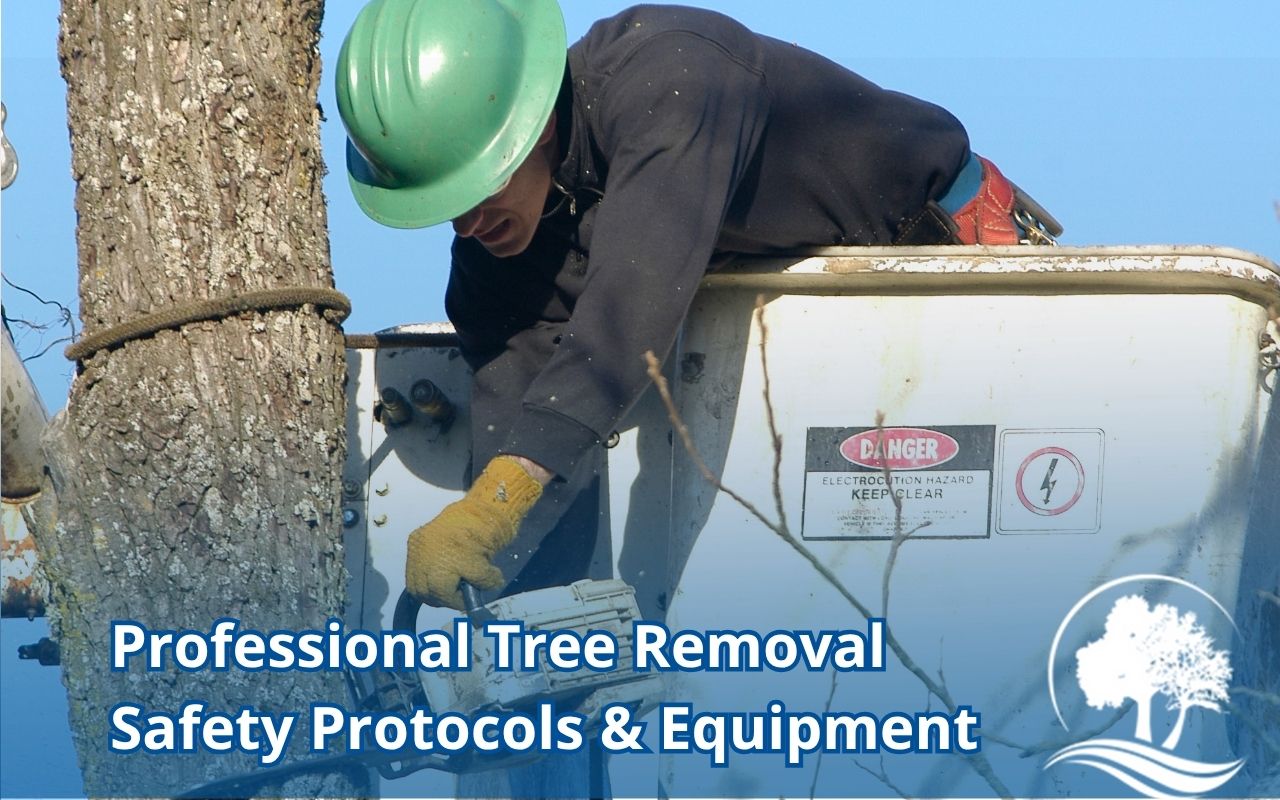
Encountering the need to remove a tree can look simple, yet it isn’t. Professional Tree Removal protects people and property through planning and the right tools. Professional Tree Removal Safety Protocols & Equipment ensure every cut, lift, and lower is precise. With rigging and utility coordination, experts turn a risky task into a safe, efficient operation you can trust.
Why Professional Tree Removal Matters
This work blends art and science. Crews assess hazards, select methods, and operate equipment that outperforms DIY approaches. The aim is predictable outcomes with minimal disruption. Whether you’re clearing space or removing a hazardous tree, Professional Tree Removal Safety Protocols & Equipment make the process controlled, clean, and compliant from start to finish.
Safety Protocols in Professional Tree Removal
Before saws start, teams perform a site-specific risk assessment. They map power lines, unstable ground, and weak limbs, then define escape routes and drop zones. Clear communication keeps everyone aligned and prepared for dynamic conditions.
Core On-Site Safety Steps
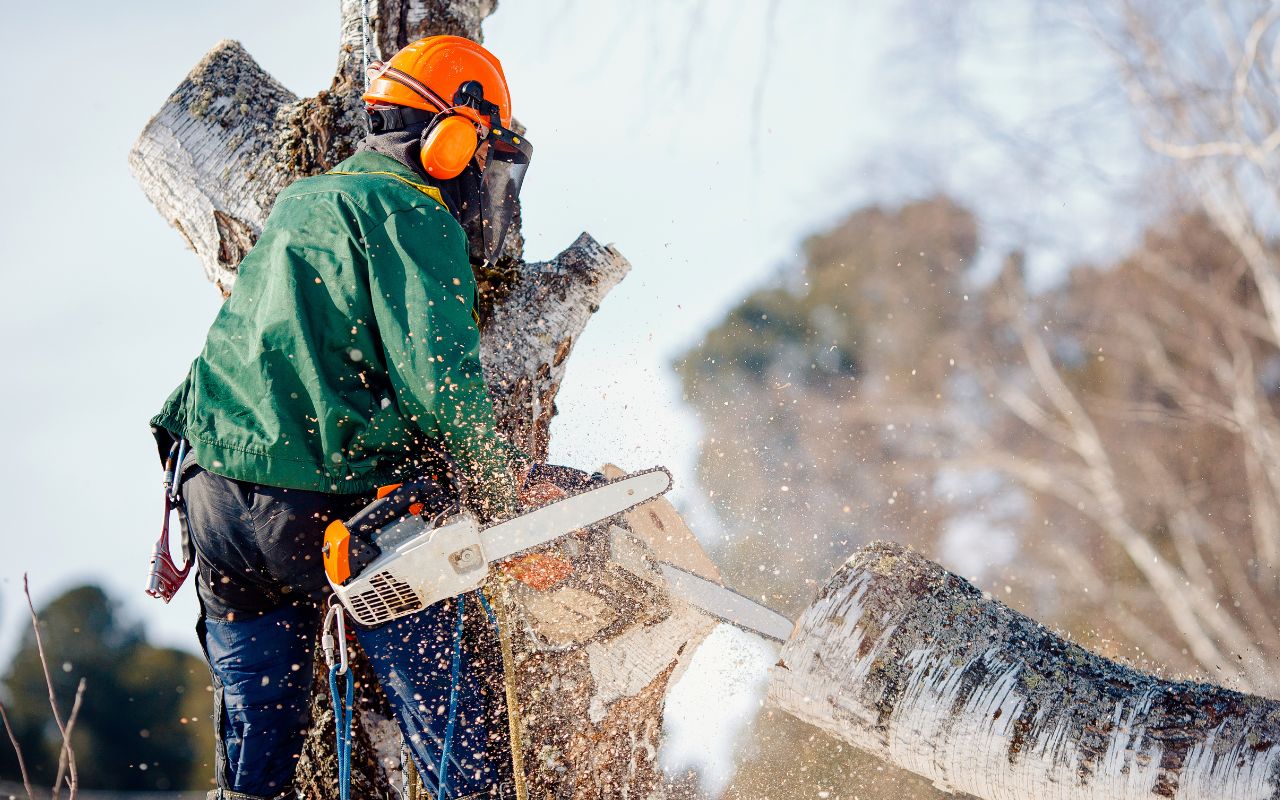
- Pre-job briefing, hazard mapping, and utility coordination.
- PPE checks: helmets, face shields, cut-resistant gloves, boots, hearing protection.
- Rope, harness, and anchor inspections with documented load ratings.
- Radio/hand-signal protocols for all cuts and rigging moves.
Importance of Specialized Equipment
Handling large trunks or high limbs demands more than a chainsaw. Cranes, aerial lifts, stump grinders, and chippers reduce risks and time on site. Professional Tree Removal Safety Protocols & Equipment pair machines with skilled operators for consistent results.
High-Impact Tools
- Aerial lifts for precise positioning and safer cutting angles.
- Rigging hardware—winches, pulleys, slings—for controlled lowering.
- Stump grinders and wood chippers for fast, tidy cleanup.
- Load monitoring devices to prevent overstrains and failures.
Understanding Rigging Techniques
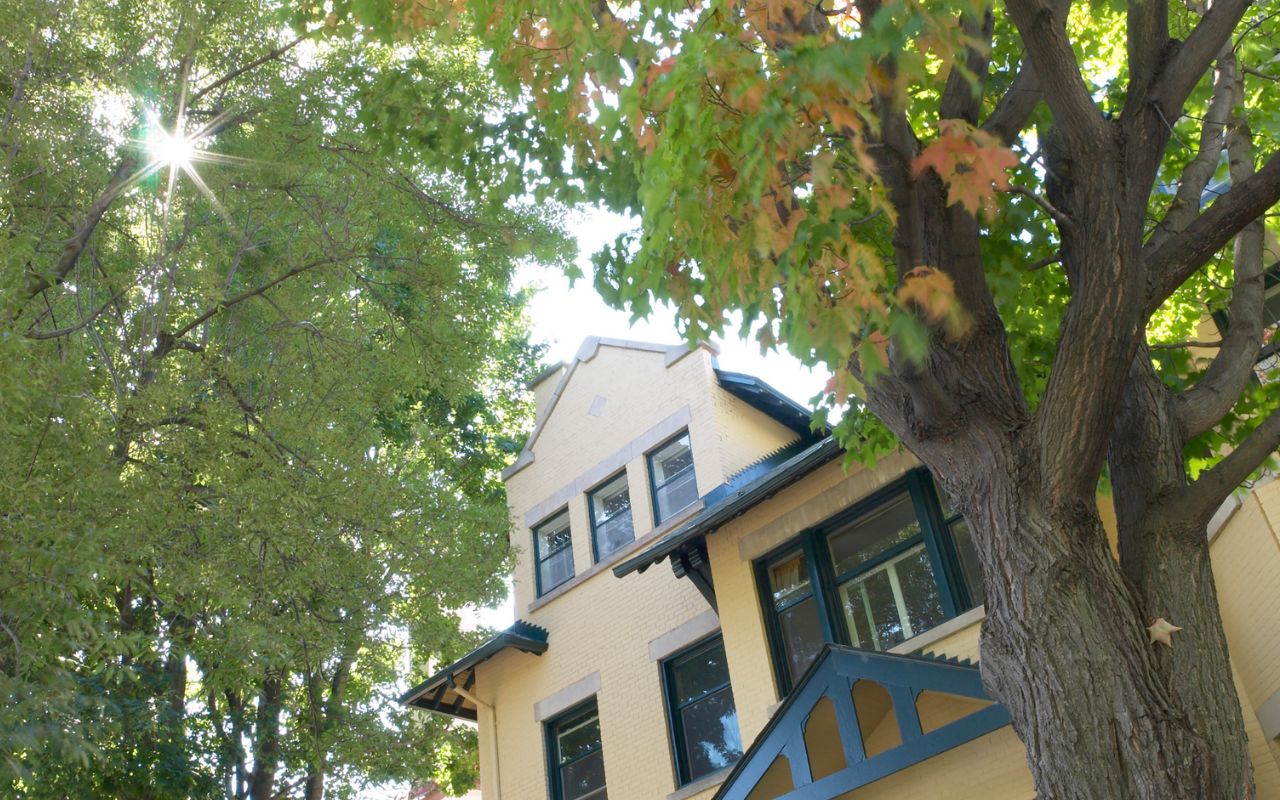
Rigging controls gravity. Crews select anchor points and friction devices to guide limbs safely. Misjudged angles or knots can snap lines. With practice and planning, Professional Tree Removal Safety Protocols & Equipment keep heavy sections predictable.
Rigging Essentials
- Knot selection matched to load and rope type.
- Friction management with bollards or port-a-wraps.
- Sectional dismantling to keep pieces manageable.
- Climber–ground crew communication on every move.
Coordination for Utility Safety
Utility coordination prevents shocks, fires, and service interruptions. Teams confirm shut-offs, maintain approach distances, and protect phone or internet lines. Marked underground lines guide stump grinding and root removal to avoid costly strikes.
Precision Cutting Methods
Accurate cuts control fiber behavior. Arborists use notches, back cuts, and hinges to place limbs exactly. Sectional dismantling lowers pieces methodically, preserving roofs, fences, and landscaping while leaving the site clean and orderly.
Role of Climbing Gear in Tree Removal
Harnesses, ascenders, descenders, and spikes enable stable, ergonomic positioning. Helmets with visors block debris. Routine inspections ensure reliability so climbers can focus on safe, precise work at height.
Impact of Environmental Factors
Weather influences timing and tactics. Wind, ice, or rain can sway limbs or reduce traction. Crews may delay work or switch to ground tasks. Ground mats and plywood create stable platforms for equipment on soft soils.
Emergency Response Procedures
Preparedness limits harm. Teams stage first-aid kits, practice rescue drills, and assign roles before work begins. If an incident occurs, trained responders act immediately while leaders contact medical support.
Ensuring Worker Safety
Continuous training sustains safety culture. Toolbox talks, skill refreshers, and spot checks reinforce standards. This vigilance protects workers, neighbors, and property throughout the operation.
Time and Cost Efficiency for Homeowners
DIY often seems cheaper but can escalate costs after damage or delays. Professional crews finish faster, manage debris efficiently, and deliver predictable outcomes using Professional Tree Removal Safety Protocols & Equipment from first cut to cleanup.
Comprehensive Services Beyond Cutting
Beyond felling, services include stump grinding, debris removal, and health assessments. You get a clean, ready-to-use space with one coordinated team and a single streamlined plan.
Protecting Your Property
Incorrect cuts risk roofs, vehicles, and landscapes. Experts plan every phase, apply rigging, and execute precision cuts so sections land only where intended. That’s the value of Professional Tree Removal Safety Protocols & Equipment in real-world settings.
Frequently Asked Questions
How do rigging practices improve safety?
Rigging creates controlled descent paths. By managing friction and anchors, crews prevent free falls, swinging, and sudden shocks that can damage property or gear.
What is utility coordination in tree removal?
It’s pre-job planning with utility providers to mark lines, confirm shut-offs, and set safe distances. This reduces risks of shocks, fires, and service outages.
Which equipment matters most for complex removals?
Cranes or aerial lifts, friction devices, certified ropes, and stump grinders have the biggest impact on safety, speed, and finish quality.
Why shouldn’t I attempt large tree removals myself?
Large trees involve unpredictable loads, hidden defects, and utilities. Professionals bring training, insurance, and systems that protect people and property.
How fast can professionals complete a removal?
Timelines vary by size, access, and utilities. With planning and the right tools, most jobs finish far faster and safer than DIY efforts.
Trust the Experts for Safe and Efficient Tree Removal
Ready to schedule? Choose Professional Tree Removal Safety Protocols & Equipment for peace of mind and a spotless result. Contact our team to assess your site, coordinate utilities, and deliver a clean, secure finish—done right the first time.