
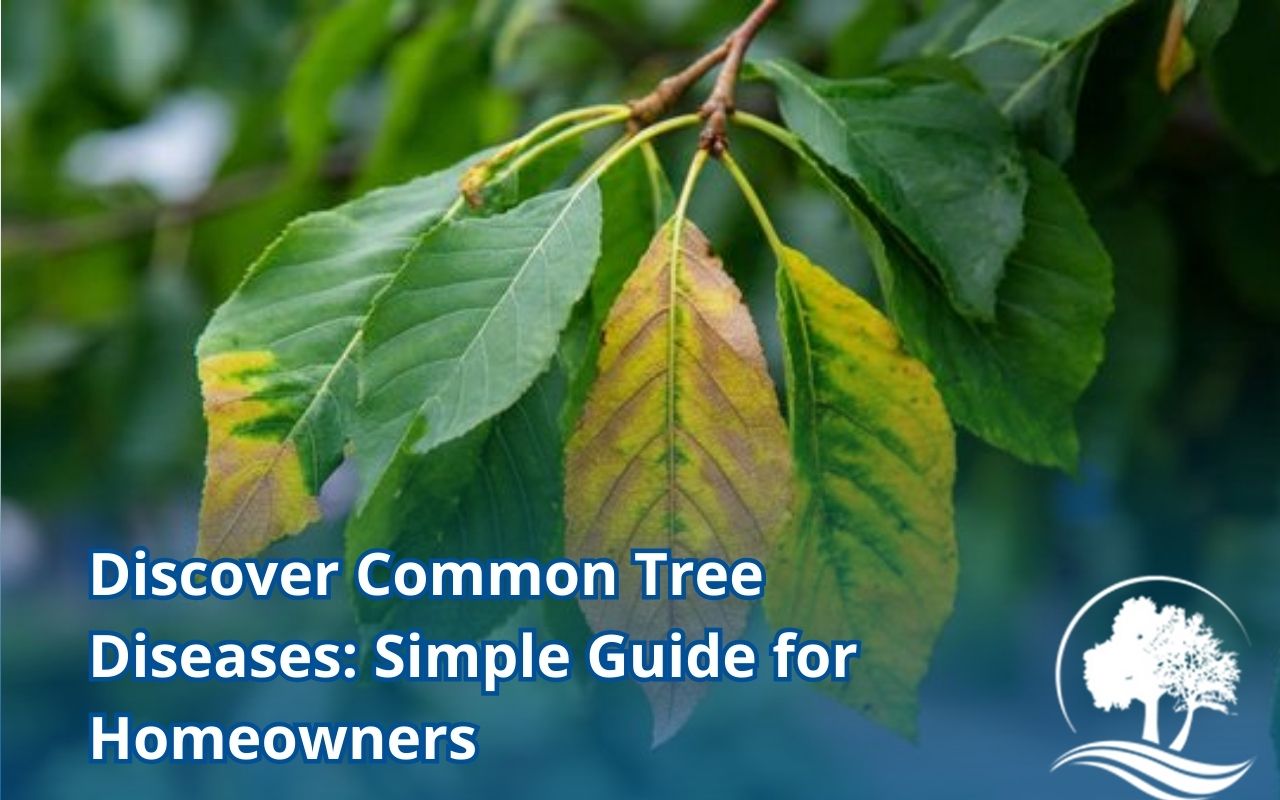
Common Tree Diseases can quietly damage the trees that make your yard or local park feel calm and inviting. When you walk under tall branches, you may not notice the early warning signs hiding behind the leaves. However, problems can spread quickly if no one is watching.
Understanding these tree problems and learning simple ways to prevent them helps protect your landscape and your family. When you spot issues early, you save trees, avoid safety risks, and keep your outdoor spaces looking beautiful.
Imagine a favorite oak that suddenly wilts, its leaves fading and strange bumps forming on the trunk. These could be early signs of tree disease or hidden fungal infections on trees. Knowing what to watch for and when to remove diseased trees keeps your home, family, and nearby plants safer.
This simple guide explains how to recognize different tree diseases, understand what causes them, and use easy steps to prevent and treat problems so your trees stay healthy and strong.
Common Signs of Tree Diseases
Spotting tree disease early often makes the difference between saving a tree and losing it. Watch closely for changes in leaves, bark, and branches, especially after storms, drought, or major temperature swings.
- Leaf discoloration, such as yellow, brown, or bronze leaves when it is not autumn.
- Spots or blotches on foliage that may look dark, pale, or water soaked.
- Premature leaf drop, with leaves falling far earlier than normal.
- Bark that peels, cracks, forms cankers, or oozes sap.
- Dead or dying branches, especially near the top or scattered in the canopy.
- Slow or stunted growth, where new shoots look short, thin, or weak.
Many owners overlook these hints until the damage is severe. Fungal infections on trees can show up as tiny mushrooms around the trunk, mold-like growth on bark, or dark, sunken patches on branches. Insects and sap-sucking pests may leave small holes, sawdust-like dust, sticky honeydew, or odd galls and swellings on twigs.
Regular walks through your yard help you notice small changes before they spread. As you move from tree to tree, examine the base, trunk, and canopy so you can act quickly when something looks unusual.
Importance of Early Detection
Early detection protects both individual trees and the entire landscape. Stressed trees are much easier targets for insects and germs, and disease can move fast from one plant to another.
- Simpler treatments are usually enough when problems are caught early.
- Costs stay lower because pruning, cleanup, and products remain limited.
- Trees have a better chance to recover fully and stay in place.
When huge sections die, trunks become hollow, or decay spreads widely, the harm may be permanent. Early action also improves safety, because weak branches can fall during storms and damage roofs, cars, or power lines. Quick inspections help you decide when to remove diseased trees or when treatment is still a safe option.
Identifying Fungal Infections in Trees
Fungi cause many of the most common tree problems. Their tiny spores travel through wind, rain, garden tools, and even clothing. Once they land on leaves, bark, or roots, they grow fastest in warm, damp conditions.
- Small spots or speckles scattered across leaves.
- Powdery or fuzzy growth on foliage, often called powdery mildew.
- Rust colored bumps or pustules on the undersides of leaves.
- Dark, sunken cankers on branches or along the trunk.
If these early signs are ignored, damage can spread. Lesions grow larger, branches die back, roots begin to rot, and the tree may lose strength and stability.
Mushrooms, shelf-like conks, fairy rings in the lawn, or web-like growth under the bark often signal internal decay. When you see these, call a tree professional quickly for a closer look.
Correct identification matters because each fungus behaves differently. Some mainly harm leaves, while others attack roots or inner wood. A trained expert can match the disease to the right fungicide, pruning method, or removal plan.
Dealing with Bacterial Tree Diseases
Bacteria can also weaken trees and are sometimes harder to manage than fungi. They often enter through small wounds in bark, leaf tissue, or roots.
- Leaf edges that look scorched or burned, with a yellow band between live and dead tissue.
- Sticky or wet areas on the trunk where sap or cloudy liquid leaks out, sometimes with a sour smell.
- Water soaked spots on leaves or fruit that later turn dark and dry.
Once you notice these signs, sanitation becomes essential. Remove and destroy affected leaves or branches so the infection does not spread. Then disinfect pruning tools between cuts with a mild bleach solution or rubbing alcohol, and avoid pruning on rainy days when bacteria travel easily.
In some situations, copper based sprays can slow bacterial disease. Always follow the label directions and apply products at the recommended times. After treatment, watch the tree closely and repeat applications only when needed.
Understanding Viral Infections in Trees
Viruses are less common than fungi or bacteria, yet they can still cause serious, long lasting harm. They often move from tree to tree through tiny insects that feed on plant sap.
- Mottled or mosaic patterns on leaves.
- Odd color streaks, ring spots, or banding on foliage.
- Twisted, distorted, or very short new growth.
- Lower flower or fruit production over time.
There is currently no direct cure for viral infections in trees. Instead, care focuses on controlling insect carriers like aphids or mites, removing badly affected branches, and, in some cases, taking out the whole tree to protect nearby plants.
Regular checks and quick action help limit how far a virus spreads in your yard. When several nearby trees show similar unusual patterns, a professional diagnosis is especially helpful.
Practical Tips to Prevent Common Tree Diseases
Simple habits make a big difference in reducing Common Tree Diseases in your yard. With regular care, many problems never gain a foothold, and small issues stay manageable instead of turning into major surprises.
Regular Inspection
Set aside a little time each month to walk around your property. Look for discolored leaves, unusual spots, cracks in bark, mushrooms at the base, oozing sap, or strange growths. Early discovery lets you deal with problems before they damage roots, branches, or nearby plants.
Proper Watering
Water deeply but less often so roots grow down instead of staying near the surface. Avoid overwatering, which can cause root rot and invite fungi, and do not underwater during hot, dry spells. Whenever possible, match your watering schedule to your local climate and the specific tree species.
Smart Pruning Practices
Regular pruning removes dead, diseased, or crossing branches and improves air flow through the canopy. Better air movement keeps foliage drier, which makes it harder for fungi to spread. Always use clean, sharp tools and disinfect them between trees to avoid moving germs from one plant to another.
For detailed guidance, you can review tree pruning for disease prevention from local tree care specialists.
Soil Health and Mulching
Healthy soil supports strong roots that naturally resist disease. Use compost and organic mulch to improve soil structure and hold moisture. Spread mulch in a wide ring, but keep it a few inches away from the trunk to prevent rot and insect problems. Try not to compact the soil around the root zone.
Disease-Resistant Varieties and Proper Planting
When planting new trees, choose varieties known to resist common local problems. Ask a tree professional or nursery for advice that fits your region. Plant at the correct depth with the root flare at or just above soil level, and avoid crowding trees so air and light can reach each canopy.
Pest Control and Avoiding Mechanical Damage
Many infections start where pests or tools injure bark. Watch for harmful insects and use natural or integrated pest management methods when possible. Protect trunks from lawn mowers and string trimmers, and consider guards around young trees. Fewer wounds mean fewer doors for germs to enter.
Fungicide Application When Needed
In areas with a history of strong fungal pressure, preventive fungicide sprays may be helpful. First, confirm the disease so you use the correct product. Then follow label directions for timing, dosage, and safety. Remember, fungicides work best as part of an overall care plan, not as the only solution.
Preventive Habits for Strong Tree Health
Beyond targeted tips, a few broad habits keep trees vigorous and better able to fight off disease on their own. Think of these steps as regular wellness care instead of emergency treatment.
- Plant only healthy young trees in well draining soil.
- Use soil tests to guide fertilizing, and avoid overfeeding.
- Clean tools before and after each use to avoid spreading germs.
- Check mulch depth regularly and refresh it as needed.
These simple habits help trees stay resilient through storms, drought, and pests. To understand how ongoing care supports your landscape, explore the benefits of professional tree health services for long term property health.
Effective Treatment Options
Using the right treatment at the right moment gives trees the best chance to recover. The correct approach depends on whether the source is fungal, bacterial, or viral.
- Fungal infections: Fungicides with active ingredients such as chlorothalonil or copper compounds can limit spores. They work best when applied in early spring or at times listed on the label.
- Bacterial diseases: Focus on sanitation, careful pruning, and reducing stress. Copper based products may slow some bacterial issues, but they rarely remove them completely.
- Viral infections: Treatment centers on symptom control and preventing spread. Improve tree vigor with good watering, balanced feeding, and pest control. Severely infected trees may need removal.
In every case, earlier action usually leads to quicker recovery and less damage. Keep notes on when symptoms appear and what treatments you apply so you and your arborist can track progress.
When to Seek Professional Help
Sometimes it is hard to judge how serious a problem is just by looking at leaves and bark. A certified arborist can spot hidden trouble and suggest safe, effective solutions.
- Many trees on your property show similar symptoms.
- Branches hanging over roofs, walkways, or driveways look weak or dead.
- Home treatments have not improved the situation.
- You suspect deep decay, root rot, or serious structural issues.
Tree experts use special tools and training to evaluate risk and plan next steps. They can explain how to assess tree damage, recommend pruning or cabling, or advise when removal is safest. When a tree is failing fast or storm damage is severe, emergency tree care services keep people and property protected.
If a tree cannot be saved, careful removal is sometimes the best choice. Professional crews handle heavy limbs, tight spaces, and power lines safely. Homeowners in the area can look into tree removal in Towson, MD when they need help with higher risk trees.
Enhancing Tree Disease Resistance
Boosting natural defenses starts long before trouble appears. Good planning, smart planting, and ongoing care help trees resist germs just as a healthy lifestyle helps people.
Select tree species and varieties known to resist the main diseases in your region. Give them enough space so branches are not crowded and air can flow freely. Improve soil with compost or aged manure, and aerate compacted areas so roots get more oxygen and water.
Some homeowners also add helpful soil life, such as beneficial microbes or friendly fungi that attach to roots. These partners create a balanced underground community that supports strong growth and better disease resistance.
Maintaining Healthy Trees
Caring for your trees means staying alert to Common Tree Diseases and acting quickly when something looks off. By combining regular inspections, good watering and pruning, clean tools, and smart planting choices, you often prevent serious issues before they begin.
Timely diagnosis and treatment save both time and money while keeping your yard safe and attractive. When you are unsure what to do next, reach out to a trusted tree care team for a clear plan that fits your property and budget.
Frequently Asked Questions
What are the earliest signs my tree might be sick?
Early signs of tree disease include leaf color changes, small spots, early leaf drop, or peeling bark. You may also notice mushrooms at the base, sticky sap, or branches that stop producing new growth.
When should I consider removing a diseased tree?
Removal is worth considering when large sections are dead, the trunk is badly decayed, or the tree leans toward a house or power lines. A certified arborist can explain when to remove diseased trees and when careful treatment is still safe.
How can I tell the difference between fungal and bacterial problems?
Fungal issues often show as spots, powdery growth, mushrooms, or cankers. Bacterial problems may cause scorched leaf edges, wet or oozing areas on trunks, and sour smells. Because symptoms can overlap, a professional diagnosis is often the most reliable option.
Do I need an arborist for serious tree diseases in my yard?
Many minor issues can be handled with better watering, pruning, and tool cleaning. However, when Common Tree Diseases affect several trees, or when large branches are involved, an arborist can provide safe, accurate care plans.
How often should I inspect my trees?
A quick visual check once a month is helpful for most yards. Inspect more often after strong storms, long dry spells, or construction work near roots. Regular walks help you spot changes before they turn into expensive problems.
Contact Us for Expert Tree Care
Healthy trees add shade, beauty, and value to your home, but they need regular attention to stay that way. If you have questions about tree health, disease prevention, or safe removal, contact our tree care specialists for a friendly inspection and custom plan.
Our team can help you spot trouble early, choose effective treatments, and decide when removal or emergency service is the safest option. Together, we can keep your landscape strong, safe, and inviting for many years.