
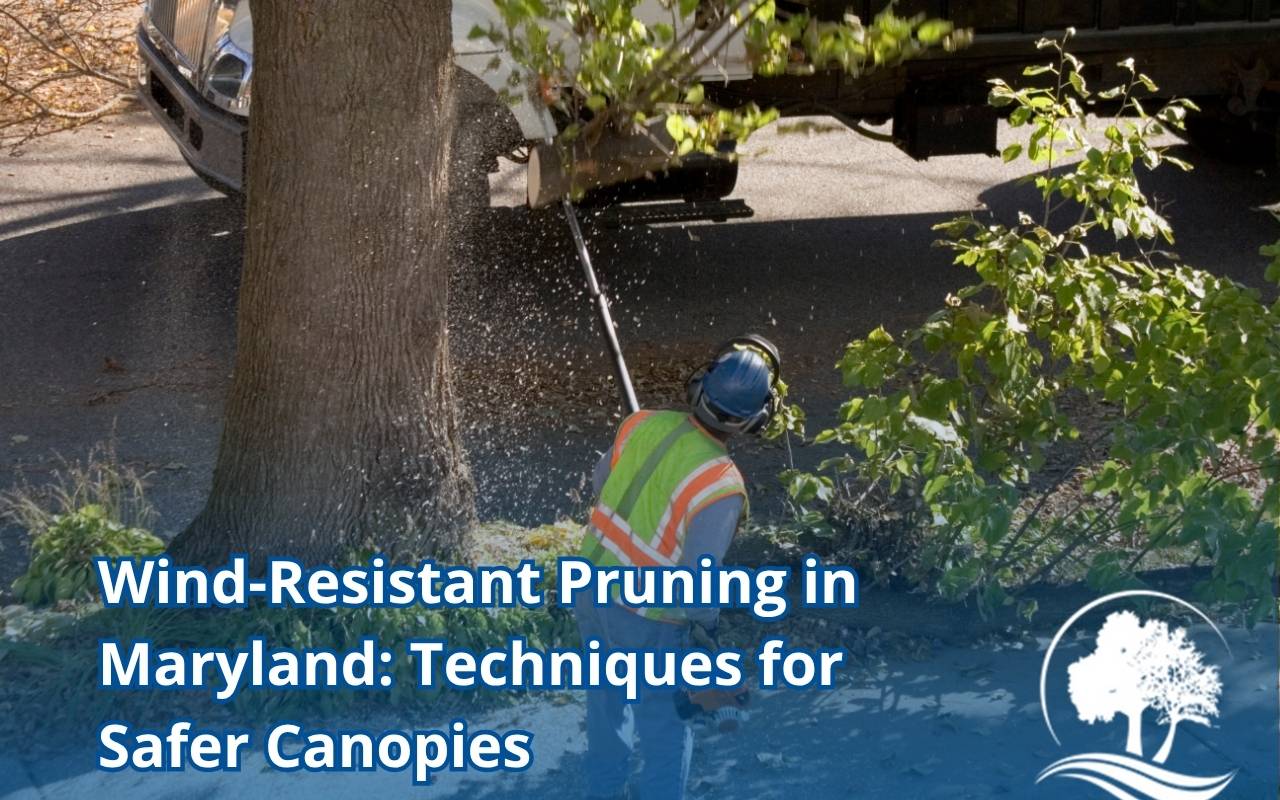
Every year, Maryland residents prepare for gusty winds that can cause unexpected damage to trees and properties. After severe storms, fallen branches and damaged trees often disrupt daily life. However, with proper care and precise techniques, these risks can be greatly reduced. Wind-resistant pruning Maryland specialists recommend strengthens trees against high winds and protects both landscapes and homes. It’s more than aesthetics—it’s about safety and preservation.
Through careful structural cuts that address weak or co-dominant stems, trees can better endure extreme weather. In Maryland, where wind intensity changes throughout the seasons, understanding these pruning techniques is crucial. By practicing consistent care, you can prevent future damage and support your landscape’s longevity. Let’s explore how this proactive approach enhances the beauty and safety of your property.
Importance of Wind-Resistant Pruning in Maryland
Maryland’s unique geography exposes its trees to strong gusts, tropical storms, and nor’easters. Wind-resistant pruning Maryland experts perform reduces wind sail—the area that catches wind pressure. By thinning dense canopies and removing weak branches, arborists help trees withstand severe weather safely.
These techniques improve long-term tree health as well. When structural pruning creates a strong central leader and evenly spaced limbs, stability improves dramatically. This proactive maintenance reduces the risk of branch failure and safeguards surrounding properties.
- Reduces wind load on large canopies
- Strengthens main trunks and branch unions
- Improves airflow and light penetration
- Decreases the risk of storm-related damage
To maintain healthy and secure trees, homeowners can explore our professional tree care services designed for Maryland landscapes.
Structural Issues in Tree Canopies
Even healthy-looking trees can hide serious structural flaws. Bark inclusions, for example, occur when bark grows between limbs, weakening their attachment. Co-dominant stems—two or more equal-sized trunks competing for space—pose similar risks. During windstorms, these defects can cause branches to snap or split unexpectedly.
Structural pruning resolves these weaknesses by encouraging balanced growth. By removing poorly attached branches, arborists create a tree structure that flexes safely with wind flow rather than breaking under stress.
Identifying Co-Dominant Stems
Co-dominant stems are a common cause of branch failure in strong winds. They develop when two main stems grow side by side without a clear leader. This creates weak joints where bark becomes trapped. Early identification of this issue allows timely correction and strengthens the tree’s structure.
- Look for V-shaped junctions or splits in the bark
- Watch for cracks forming between competing stems
- Address issues early with careful pruning cuts
- Encourage one dominant central leader for stability
To understand more about professional pruning techniques, homeowners can learn about our specialized pruning services available across Maryland.
Pruning Techniques for Wind Resistance
Effective wind-resistant pruning Maryland methods involve strategic thinning, crown reduction, and proper directional cuts. Thinning promotes air circulation and reduces canopy density, while crown reduction shortens overextended limbs to lower wind leverage. Directional pruning encourages balanced branch spacing and central leader dominance.
Making clean cuts outside the branch collar helps the tree heal efficiently and minimizes decay. Together, these practices ensure better stability, improved wind flow, and healthier growth over time.
Best Practices for Strengthening Tree Structure
Young trees benefit most from early shaping and routine monitoring. Structural pruning helps establish a single leader and evenly spaced branches. This foundation allows the tree to develop flexibility and strength as it matures. For older trees, corrective pruning eliminates hazardous limbs and maintains canopy balance.
- Prune during dormant seasons to minimize stress
- Remove crossing and inward-growing branches
- Use clean, sharp tools for smooth cuts
- Train young trees to prevent co-dominant growth
If you’re unsure how to start, you can easily contact our tree experts for guidance or an on-site evaluation.
Tools and Equipment for Safe Pruning
Proper tools make pruning safer and more effective. Hand pruners and loppers handle small branches, while pruning saws and pole pruners reach higher sections. Always maintain sharp, sanitized blades to prevent damage and disease spread.
Safety gear such as helmets, gloves, and harnesses is essential, especially for high branches. Professionals often use climbing equipment and ropes to manage large cuts safely. Consistent tool maintenance ensures each wind-resistant pruning Maryland project runs efficiently.
When to Perform Wind-Resistant Pruning
The ideal time for wind-resistant pruning Maryland residents should schedule is late winter or early spring. Dormant pruning reduces sap loss and pest risks while encouraging quick healing once growth resumes. Avoid heavy pruning in summer heat or during drought periods, as it may weaken trees.
Routine maintenance every few years keeps trees stable and prevents canopy overgrowth. Inspections before the storm season ensure you catch potential problems before damage occurs.
FAQs About Wind-Resistant Pruning
How often should wind-resistant pruning be performed?
Most trees benefit from pruning every three to five years, depending on their species, age, and growth conditions.
Can I prune my trees without professional help?
Light trimming is fine for homeowners, but major pruning should be handled by certified arborists for safety and accuracy.
Will pruning make my tree weaker?
No, when done correctly, pruning strengthens the tree by improving structure and reducing weak branch unions.
When is the best season for pruning in Maryland?
Late winter and early spring are ideal, allowing trees to recover quickly and grow stronger.
How can I tell if my tree needs pruning?
Look for crossing branches, cracks, or dense canopies that block sunlight. These are signs your tree may need professional care.
Consulting a Professional Arborist
Hiring a certified arborist ensures your pruning is safe and effective. These professionals understand tree biology, use proper techniques, and follow industry standards. They can detect hidden defects and apply precise cuts to promote long-term strength. Engaging professionals for wind-resistant pruning Maryland homeowners trust reduces risks and protects valuable landscapes.
Maintaining Wind-Resistant Trees
Ongoing maintenance keeps trees strong and adaptable. Inspect canopies annually for decay, co-dominant stems, or pest damage. Light pruning between major sessions helps maintain balance. Combine consistent care with proper watering and mulching to support healthy roots.
Enhancing Tree Safety with Wind-Resistant Pruning
Implementing wind-resistant pruning Maryland strategies creates safer, more resilient landscapes. By identifying and correcting weak structures early, you protect your property and enhance natural beauty. Consistent care and expert guidance ensure your trees remain strong through every season, standing as a testament to Maryland’s enduring green heritage.