
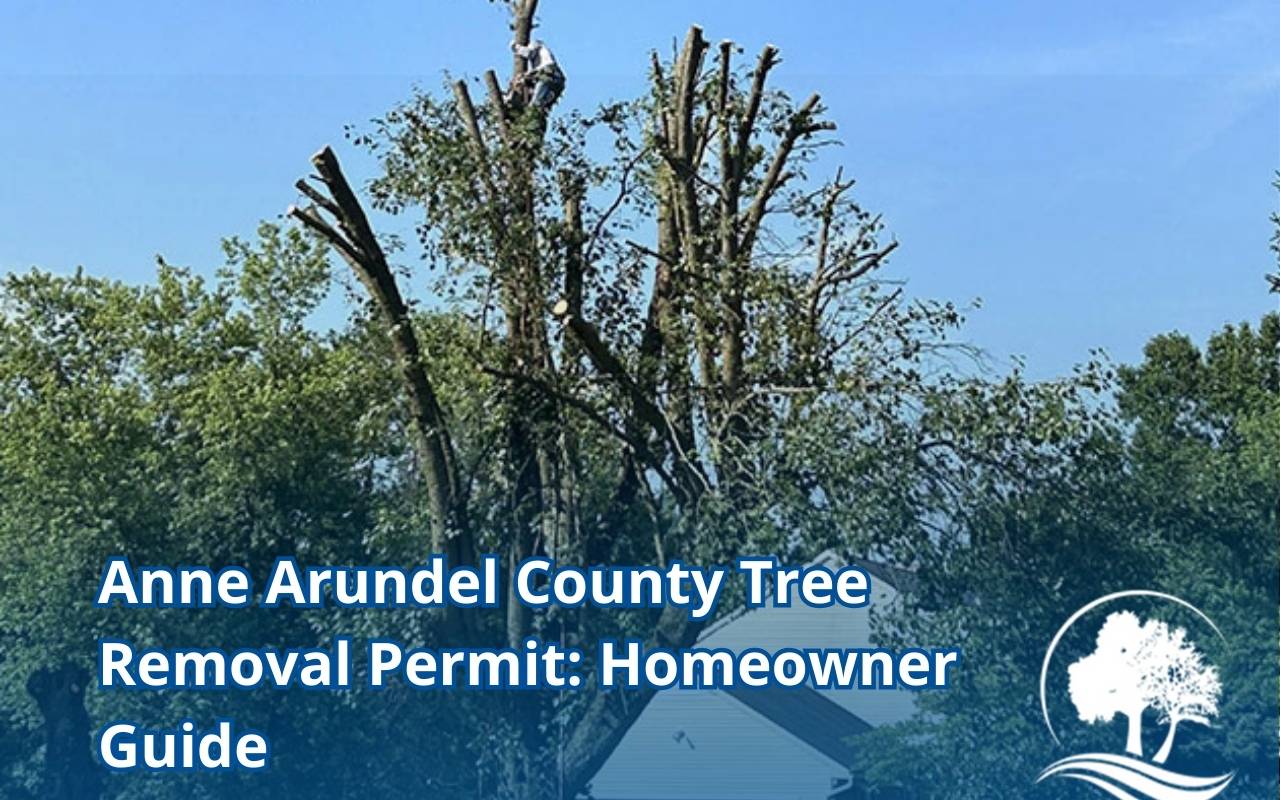
Navigating tree conservation in Anne Arundel County can feel complex. Homeowners must understand the tree removal permit process to stay compliant. Every decision carries environmental and legal weight, making informed choices essential. This guide explains how to secure an Anne Arundel County tree removal permit and avoid unnecessary challenges. By following the steps outlined here, you can maintain your property responsibly while protecting local resources.
Understanding Tree Removal Regulations
Anne Arundel County tree removal permit requirements protect the environment while allowing safe property management. Regulations focus on tree size, species, and location. Knowing these rules prevents costly penalties and delays.
- Hardwoods with 30-inch DBH often need permits
- Evergreens with 60-inch DBH are usually protected
- Critical area buffers carry extra rules
Noncompliance can bring fines or stop-work orders. To confirm if you need a permit, consult the County Forestry Office or an arborist. For professional support, review our services.
Identifying Protected Trees
Protected trees are identified by species, size, and location. Homeowners should check hardwoods above 30-inch DBH and evergreens above 60-inch DBH. Trees near tidal waters or Chesapeake Bay buffers require special attention.
A certified arborist helps with precise measurements and reports. This documentation is often needed when applying for an Anne Arundel County tree removal permit. Proactive identification saves time, avoids violations, and supports sustainable landscaping.
Specimen Trees: Essential Information
Specimen trees exceed regular DBH thresholds and are in excellent condition. They receive top protection. Removing them usually requires higher mitigation, often planting several trees in return.
- Trunk circumference measurements
- Canopy spread and overall health reports
- Possible need for variances or transplanting
Understanding specimen rules ensures smoother permit approval and helps preserve community character.
Importance of a Tree Removal Permit
Securing an Anne Arundel County tree removal permit is a legal requirement, not just paperwork. Without it, homeowners face penalties, replanting orders, and construction delays. The process also encourages sustainable alternatives, like pruning or transplanting, rather than removal.
A valid permit protects homeowners from liability. If disputes arise, documented approval provides strong defense. To discuss your project directly, visit our contact page.
Application Process Explained
The process starts by checking DBH thresholds and critical area maps. Once you confirm the need for an Anne Arundel County tree removal permit, gather site plans, inventories, and arborist reports. Then, submit the form and pay fees.
- Complete permit form
- Attach arborist report
- Include mitigation plans
County staff will review documents, conduct site visits, and issue conditions. Only after approval can removal legally begin.
Timelines and Waiting Periods
Initial reviews often take up to 30 days. After approval, there is a 10-day waiting period for public appeals. Missing documents or unpaid fees can delay the process further. Planning early ensures smoother results.
Potential Hurdles and Solutions
Incomplete applications are the most common hurdle. Opposition from neighbors may also arise. Strong mitigation plans and professional arborist reports help overcome objections. Early consultation with County staff prevents unnecessary setbacks.
Environmental Implications
Tree removal changes ecosystems. Mature trees filter air, manage stormwater, and support wildlife. Removal requires mitigation through replanting, usually at higher ratios. Integrating rain gardens or bioswales helps offset canopy loss and maintain ecological balance.
Legal Responsibilities for Homeowners
Homeowners with an Anne Arundel County tree removal permit must follow all conditions, including replanting. Noncompliance can result in enforcement actions or fines. Proper records of permits and compliance are vital for future property transactions.
FAQs
Do all trees require a permit in Anne Arundel County?
No, only trees meeting certain size, species, or location criteria require permits.
Can I remove a diseased tree without a permit?
In emergencies or safety hazards, removal may be exempt, but documentation or arborist reports are usually needed.
How long does the permit process take?
Review often takes up to 30 days, plus a 10-day waiting period before removal begins.
What happens if I remove a tree without a permit?
Penalties include fines, mandatory replanting, or stop-work orders. Legal complications can also follow.
Who can help me with the application process?
A certified arborist and County forestry staff can guide you through documentation and requirements.
Successfully obtaining an Anne Arundel County tree removal permit requires preparation, accurate documentation, and awareness of environmental impacts. By understanding regulations and timelines, homeowners protect property, community, and the environment. For reliable assistance, visit our tree removal service page and get expert help with your project today.