
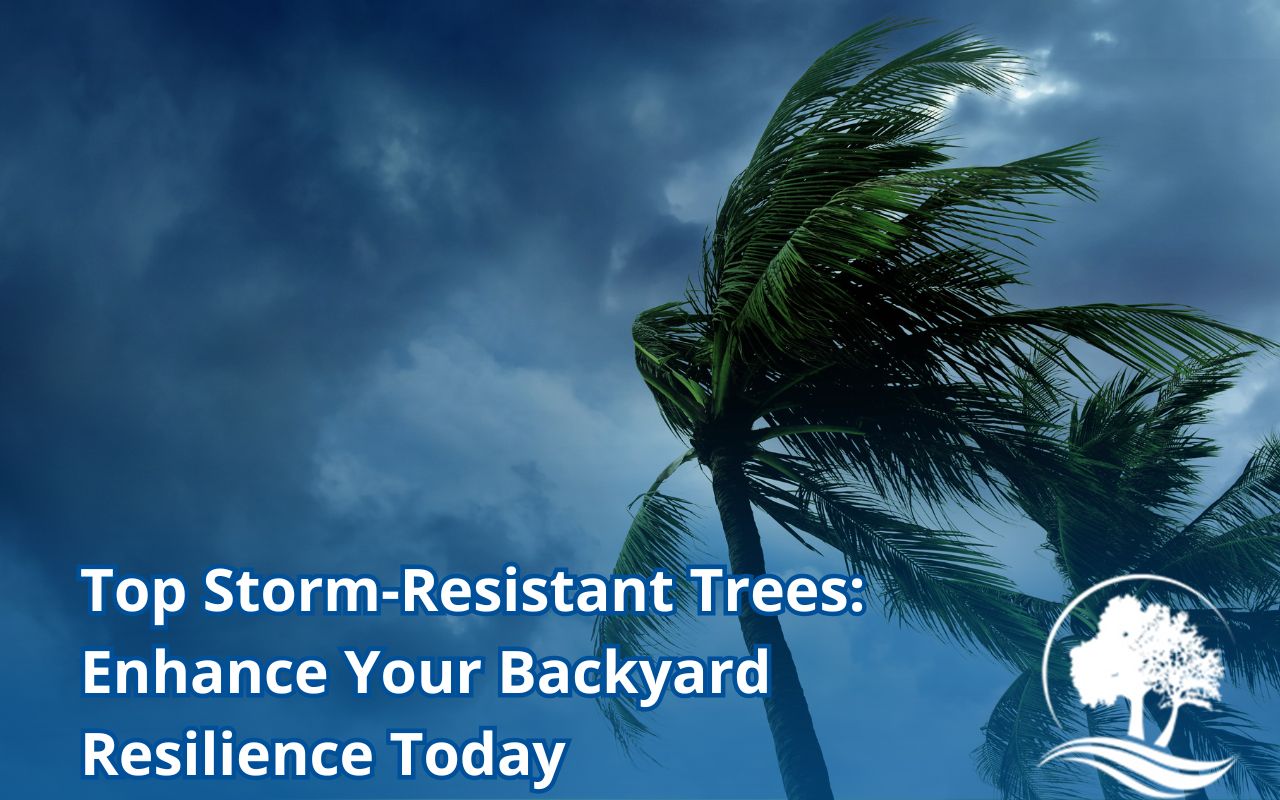
When storms roll in, our first instinct is often to secure windows, lock doors, and stock essentials. However, what about the trees in your backyard?
These towering guardians of our outdoor spaces are often forgotten until a storm reveals their vulnerability. Imagine waking up to fallen branches or an uprooted tree.
That’s where understanding storm-resistant trees comes into play—a crucial aspect many overlook. Selecting the right trees isn’t just about aesthetics or shade.
With severe weather events increasing, choosing species that can withstand the elements is essential. Opting for storm-resistant trees enhances your landscape’s beauty and fortifies it against storms.
As you read on, discover top picks that transform your yard into a fortress of natural strength, ensuring your trees stand tall, safeguarding your sanctuary.
Importance of Choosing Storm-Resistant Trees
Enhanced Property Protection: Selecting storm-resistant trees protects your property from damage during severe weather. Strong roots reduce the risk of toppling.
Environmental Sustainability: Planting storm-resistant trees supports soil stability and prevents erosion. They capture rainwater, reduce flooding, and improve biodiversity.
Long-Term Benefits and Resilience: These trees create cooler microclimates, provide wildlife habitats, and ensure your landscape remains vibrant over time.
Characteristics to Look for in Storm-Resistant Trees
Look for flexible branches, sturdy trunks, and well-developed roots. Flexible branches bend instead of snapping, reducing flying debris.
Strong trunks distribute wind forces evenly. Deep, widespread roots grip soil, preventing uprooting during heavy rains and gales.
Seasonal maintenance and planting location are vital. Proper spacing and stable soil enhance storm resilience. Regular pruning promotes airflow and reduces stress points.
Understanding these traits and implementing care ensures your landscape remains secure during storms.
Top Storm-Resistant Trees for Your Backyard
Live Oak (Quercus virginiana) offers massive canopy and deep taproot. Bald Cypress (Taxodium distichum) thrives in wet soils and resists wind.
Eastern Red Cedar (Juniperus virginiana) sheds wind efficiently. Sugar Maple (Acer saccharum) provides strong wood and balanced crowns. Southern Magnolia (Magnolia grandiflora) combines glossy foliage with sturdy branching.
Region-specific natives like Honey Locust and Blackgum improve wind passage and rooting depth. Choosing storm-resistant trees ensures your yard withstands extreme weather.
Tree Maintenance Tips for Enhancing Resilience
Regular Inspections: Identify weaknesses like diseased branches or root issues early to minimize storm damage.
Pruning for Canopy Balance: Remove dead or crossing branches to promote airflow and reduce wind resistance.
Mulching Benefits: Conserve moisture, regulate soil temperature, and suppress weeds to support tree health.
Proper Fertilization: Follow soil tests to provide nutrients for strong roots and wood, enhancing resilience.
Watering and Staking: Deep watering promotes root growth. Staking young trees helps establish structural integrity.
For more guidance, consult our tree maintenance checklist.
FAQ
Q: How do I identify storm-resistant trees for my area?
A: Look for species with flexible branches, sturdy trunks, and deep roots. Local extension services can help identify appropriate options.
Q: When should I plant these trees for maximum resilience?
A: Early spring or fall planting allows roots to establish before storm season arrives.
Q: Can pruning improve a tree’s storm resistance?
A: Yes. Proper pruning balances the canopy, removes weak limbs, and enhances airflow to reduce wind stress.
Q: Should I hire a professional arborist?
A: For large or hazardous trees, hiring certified arborists ensures safe and effective pruning and maintenance. Contact us at DreamTree MD for expert advice.
Designing Your Landscape with Storm-Resistant Trees
Place taller species on windward sides to serve as natural windbreaks. Layer medium-height trees and shrubs behind for added protection.
Mix evergreen and deciduous varieties for year-round defense. Group trees in clusters to mimic natural woodlands, enhancing resilience.
Thoughtful integration ensures both beauty and storm protection. For professional guidance, visit our emergency tree services page.
Enhancing Property Value with Storm-Resistant Trees
Healthy, resilient trees improve curb appeal and can increase market value. Buyers recognize the benefits of natural hazard mitigation.
Communities may offer incentives for planting storm-resistant species. Investing in these trees ensures safety, sustainability, and long-term property value.
Creating a Resilient and Beautiful Backyard Oasis
Combine form and function with a variety of storm-resistant trees. Underplant with native shrubs and perennials for a layered ecosystem.
Add paths, seating areas, and water features to showcase your resilient canopy while providing relaxation spaces. Decorative elements protect tree roots.
Soft lighting highlights tree architecture, creating an inviting and secure outdoor retreat. Merge practical storm protection with thoughtful design for lasting enjoyment.