
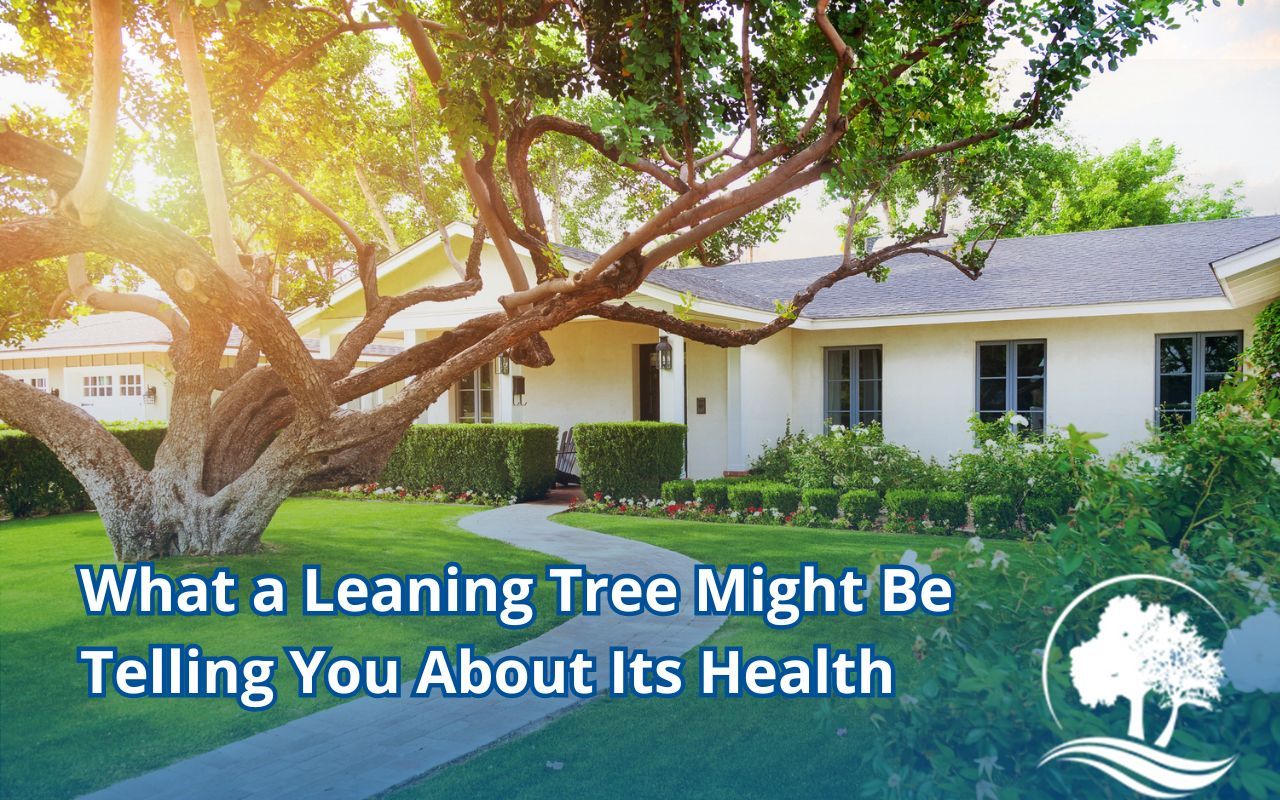
Not all leaning trees are dangerous, but some are signs of a deeper issue. Whether it’s due to weather, poor root support, or decay, a leaning tree might require inspection before it causes damage. Preventive tree maintenance helps identify these problems early, saving you from costly removals or accidents.
At Dream Tree Service LLC, we help homeowners and property managers throughout Baltimore and across Maryland assess and maintain the trees on their property. Here’s how to know when a leaning tree needs attention—and what you can do to keep your yard safe.
When a Leaning Tree Is Cause for Concern
Slight Lean or Structural Danger?
Some trees naturally grow with a curve. Others begin to lean suddenly after a storm or soil shift. The key is noticing when the lean started and whether it’s increasing. If the tree used to stand straight and is now tilting, that’s a warning sign.
A fresh lean could mean compromised roots, a split trunk, or soft soil conditions. These all require a closer look. Our team uses tree health indicators to evaluate each case and recommend a safe next step.
Root Exposure and Cracked Soil
One of the most overlooked red flags is disturbed soil at the tree’s base. If you see raised or cracked soil opposite the lean, the roots may be pulling loose. This makes the tree more likely to fall, especially during high winds or heavy rain.
You can learn how to assess tree damage on your own, but it’s always best to call a pro if anything seems unstable.
Signs Your Tree Needs an Inspection
A leaning tree isn’t the only signal that something is wrong. Keep an eye out for:
- Cracks in the trunk or large limbs
- Mushrooms or fungus at the base
- Bark peeling or falling off
- Dead limbs in the crown
- Sudden loss of leaves or color change
Each of these is a reason to schedule a tree inspection, especially if combined with a leaning trunk or shifting soil.
Can a Leaning Tree Be Saved?
It Depends on the Tree’s Condition
In some cases, a leaning tree can be braced or pruned to improve its balance. Younger trees with flexible trunks often respond well to correction. However, mature trees that lean due to root damage or decay may be unsafe to preserve.
Our experts will assess your situation and determine whether stabilization, pruning, or removal is the safest course of action. Read the signs your tree may need removal to understand your options.
FAQs – Leaning Trees and Preventive Maintenance
Should I be worried if my tree is leaning?
Yes, especially if the lean is new or increasing. It could be a sign of root instability or internal damage.
Can a leaning tree be fixed?
Sometimes. Young or flexible trees can be supported or pruned. Mature trees may require removal if the risk is too high.
Who should I call to inspect a leaning tree?
A certified tree professional like Dream Tree Service LLC can evaluate the tree’s condition and recommend the best solution.
Don’t Ignore a Leaning Tree—Act Before It Falls
Leaning trees aren’t always emergencies, but they do need to be taken seriously. At Dream Tree Service LLC, we offer professional tree inspections, pruning, and removal services throughout Baltimore and the entire state of Maryland. If you’ve noticed a tree starting to tilt, now’s the time to act.
Contact us today for a tree inspection and keep your property safe with preventive tree care.