
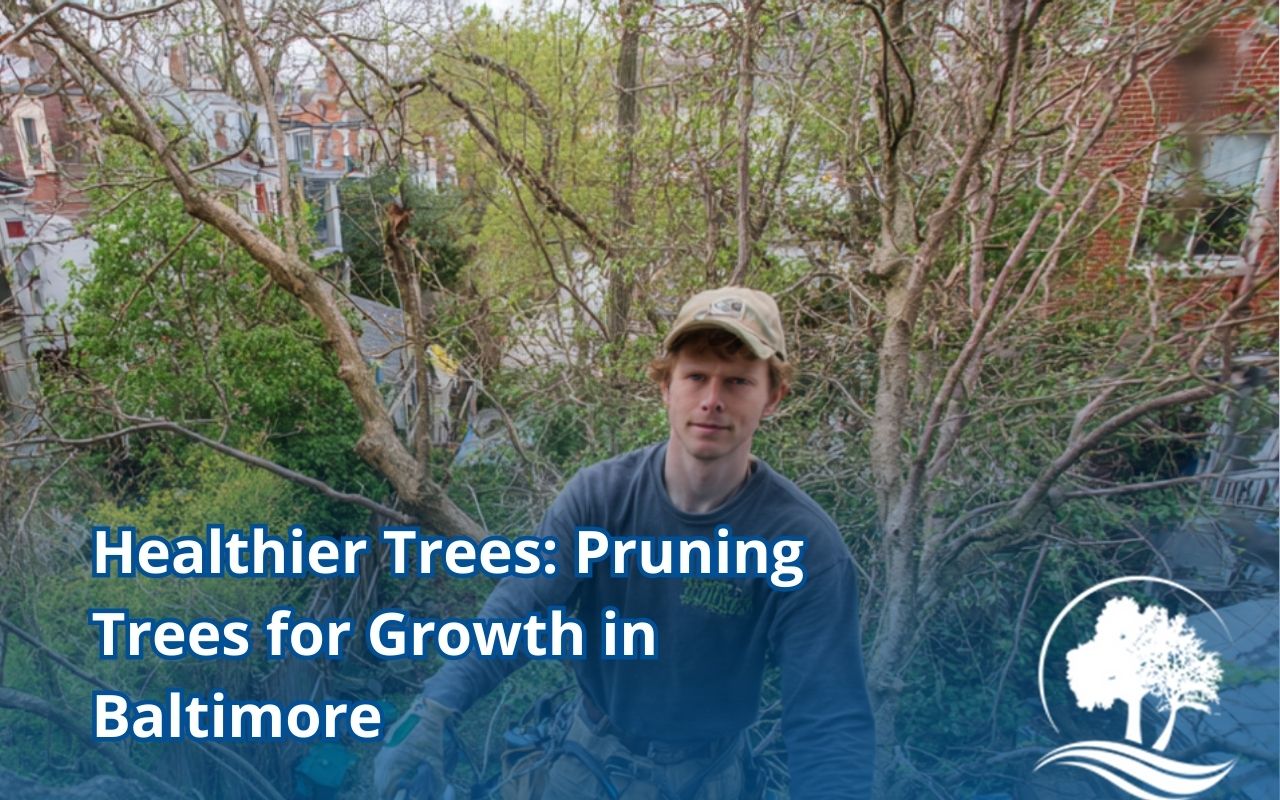
Caring for the trees in your backyard or community isn’t only about quick trimming. Instead, it means knowing how pruning supports long-term strength and beauty. In Baltimore, urban trees help the city feel cooler and greener.
So, pruning is not just for looks. It can help limit disease, support steady growth, and extend a tree’s life. With pruning trees for growth in Baltimore, you help build fuller canopies and stronger limbs for local weather shifts.
Why Pruning Trees for Growth Matters
At Dream Tree Service LLC, we see that pruning trees for growth is one of the smartest ways to keep trees strong. Proper cuts can support new shoots, improve structure, and reduce disease risk. Even so, many Baltimore homeowners ask when to prune and how much to remove.
Fortunately, once you understand the reason behind each cut, the work feels simpler. As a result, pruning becomes a steady habit that supports healthier trees year after year.
How Pruning Promotes Healthy Growth
Pruning isn’t only removing branches. Instead, it helps a tree grow in a better direction and use energy wisely. When done well, pruning supports healthier growth, especially in city landscapes.
- Encourage new growth by removing weak, dead, or damaged limbs.
- Shape the tree to reduce crowding and weak joints over time.
- Improve airflow, which helps lower moisture and fungus risk.
Because of this, a well-pruned tree often handles stress better and can live longer in Baltimore.
The Importance of Pruning for Tree Health
Understanding how pruning encourages healthy tree growth helps homeowners make safer choices. By removing dead, damaged, or crowded limbs, you reduce places where insects and disease can settle. Also, better airflow and sunlight can help inner limbs stay drier and stronger.
So, pruning trees for growth in Baltimore helps the tree focus on strong branches instead of weak wood. For more detail, Dream Tree Service LLC explains key benefits in benefits of pruning trees.
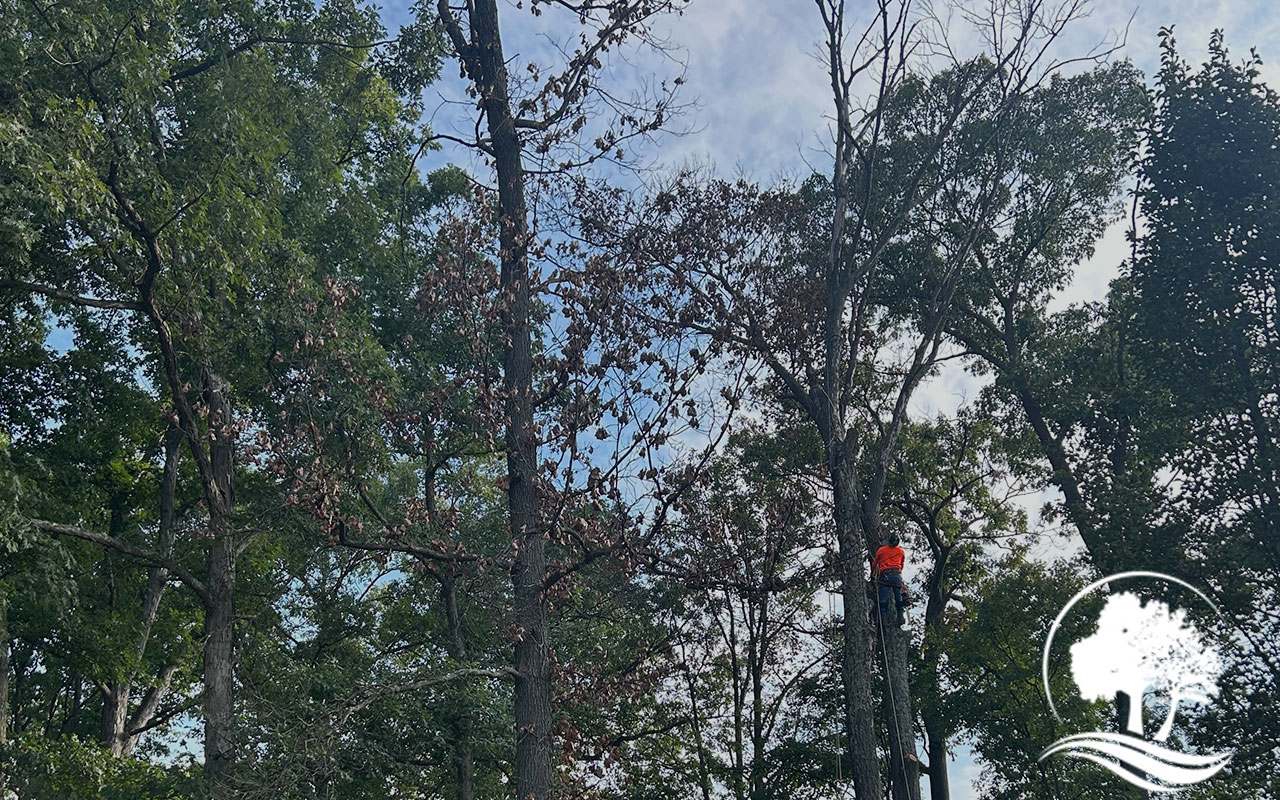
Understanding the Benefits of Pruning in Baltimore’s Climate
Baltimore has humid summers and cold winters, so timing and method matter. For example, pruning can reduce wind pull by shortening overextended limbs before storms. Also, it can lower break risk from snow and ice in winter.
- Reduce storm damage by removing weak or stretched limbs early.
- Lower disease risk by opening crowded canopies for airflow.
- Support steady growth by matching cuts to seasonal stress.
Therefore, many homeowners choose growth-focused tree pruning services in Baltimore to match each cut to local weather patterns.
Identifying the Right Time to Prune Trees
The best time to prune for growth depends on the tree and the season. In many cases, late winter works well for deciduous trees because they are resting. As a result, cuts can close as spring growth starts.
However, spring-blooming trees often do better when pruned after flowers fade. That way, you avoid removing future buds. Dream Tree Service LLC can help you plan a schedule that fits your trees and your property goals.
- Winter pruning: often supports strong spring growth.
- Spring pruning: helpful right after flowering ends.
- Summer pruning: can slow fast growth and open the canopy.
- Fall pruning: usually avoided because healing is slower.
Still, storm damage or disease signs may require quick action outside the usual window.
Essential Tools for Tree Pruning
Using the right tools keeps pruning safer and helps cuts heal cleaner. So, before you start, gather tools that match branch size and height. Dream Tree Service LLC also uses pro gear for larger jobs and tall canopies.
- Hand pruners for small branches and clean detail cuts.
- Loppers for thicker limbs and better reach.
- Pruning saws for larger branches that need steady control.
- Pole pruners for higher limbs without climbing.
Also, wear gloves and eye protection. Then, clean and sharpen tools after use to help limit disease spread. For pruning that targets long-term vigor, see Dream Tree Service LLC guidance on tree health pruning.
Techniques for Pruning Different Tree Species
Different trees respond to different cuts, so adjust your method by species. For example, maples and oaks often respond well to late-winter structure cuts. Meanwhile, spring bloomers like dogwoods do best after flowering.
Evergreens often need lighter cuts in late spring or early summer. Also, fruit trees may need thinning and selective cuts to support airflow and steady output. For step-by-step options, review Dream Tree Service LLC notes on pruning methods.
Common Pruning Methods and Mistakes to Avoid
Because goals vary, there are a few main pruning styles. When you pick the right style, you guide growth with purpose instead of random cuts. Dream Tree Service LLC often uses these methods during growth-focused tree pruning services in Baltimore.
Effective Pruning Methods
- Thinning: removes select branches to improve light and airflow.
- Heading cuts: shortens limbs to guide shape and denser growth.
- Structure pruning: improves form by removing weak or competing limbs.
Pruning Dos and Don’ts for Healthy Growth
Do clean tools between cuts, because it helps reduce disease spread. Also, aim for smooth cuts just above a bud or side branch. In addition, remove no more than about 25% of live canopy in one session.
Don’t top trees, because it can cause weak regrowth and poor structure. Also, avoid cutting too close to the trunk, since it can slow healing. For more on results from good trimming, explore Dream Tree Service LLC guidance on enhanced growth.
Addressing Common Tree Pruning Mistakes
Many problems come from cutting too much or cutting at the wrong time. Also, dull tools can tear wood, which slows healing. So, sharpen blades and keep them clean.
- Over-pruning can weaken the tree and raise stress risk.
- Incorrect cuts can leave wounds that do not close well.
- Wrong timing can slow growth and increase damage risk.
If you are unsure, Dream Tree Service LLC can guide safe next steps and prevent costly errors.
Frequently Asked Questions
How does pruning help trees grow better in Baltimore?
It removes weak wood and improves light and airflow. As a result, the tree can focus energy on stronger shoots and healthier limbs.
What is the best time to prune for growth?
Often, late winter is best for many deciduous trees. However, spring-flowering trees usually should be pruned right after they bloom.
How much should I remove during pruning?
In most cases, remove no more than 25% of live canopy in one visit. That way, the tree keeps enough leaves to recover well.
Do I need special tools for pruning small backyard trees?
Usually, hand pruners and loppers cover most needs. Still, pole pruners can help you reach higher limbs safely from the ground.
Should I hire growth-focused tree pruning services in Baltimore?
If the tree is tall, damaged, or near structures, it can be safer to hire help. Dream Tree Service LLC can plan cuts that support long-term structure.
Promoting Tree Resilience Through Proper Pruning
Strategic pruning helps trees handle storms by building a stronger frame. For example, removing deadwood lowers break risk during wind and heavy rain. Also, better structure can improve recovery after damage.
So, working with Dream Tree Service LLC can help you keep trees safe and durable through Baltimore’s changing seasons. If you are also comparing service types, see Dream Tree Service LLC insights on tree pruning cost vs trimming cost.
Nurturing Healthy Trees for a Sustainable Future
Pruning trees for growth in Baltimore supports stronger canopies, steadier structure, and fewer weak limbs. Therefore, learning timing, tools, and simple methods can protect your trees for years.
If you want expert support from Dream Tree Service LLC, reach out through the Dream Tree Service LLC contact page to discuss safe pruning options for your property.